
Living in Bremerton, WA: The Complete 2026 Relocation and Visitor Guide
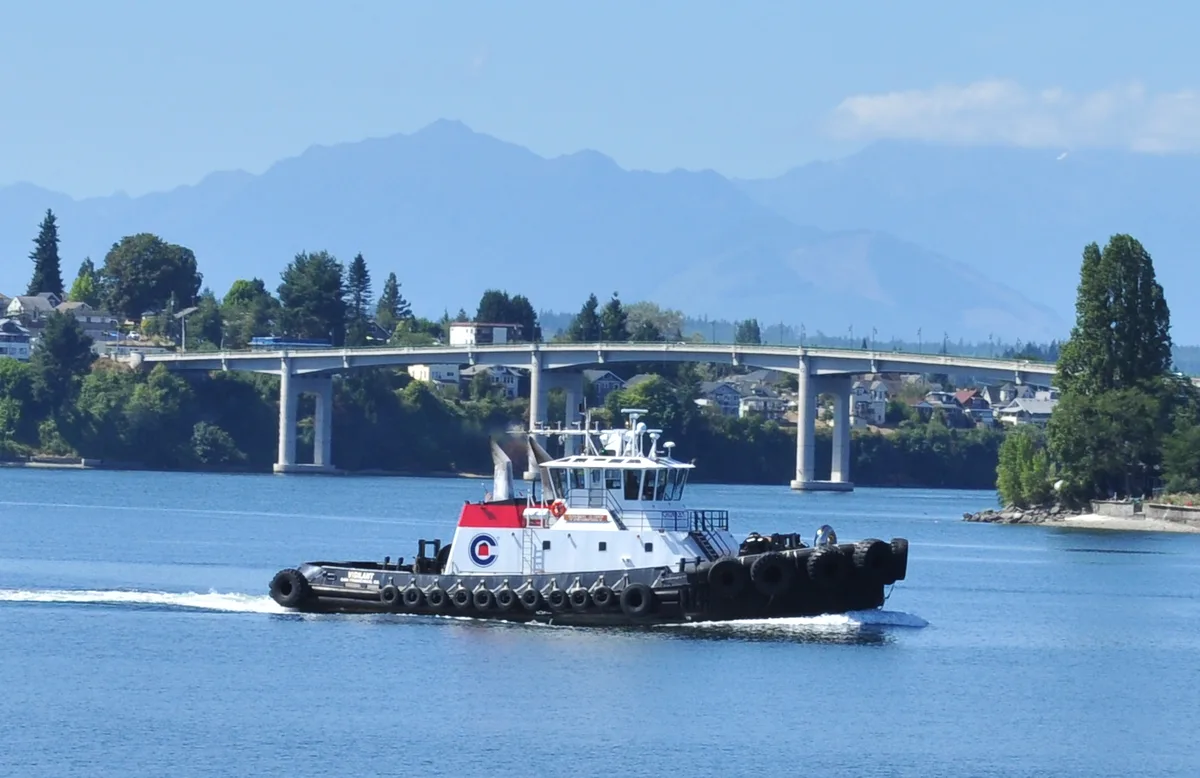
Bremerton pairs a median home price of $475,000 with a cost of living index of 121 — meaning everyday expenses run about 21% above the national average, largely on the strength of one employer: the Puget Sound Naval Shipyard, Washington’s largest industrial employer. This guide serves three readers: the PCS family with orders to Naval Base Kitsap and a fixed timeline, the remote worker weighing a 28-minute fast-ferry commute against Seattle’s housing prices, and the visitor deciding whether a weekend on the Kitsap Peninsula is worth the ferry ride. All three need the same thing first: honest numbers, not a postcard.
Quick Answer — Is Bremerton Worth Moving To?
Bremerton is a Navy town first and a Seattle-adjacent suburb second, best known for the Puget Sound Naval Shipyard and a 28-minute passenger ferry that puts downtown Seattle within a workable commute. The cost of living index of 121 runs below Seattle’s own but above the national baseline, and the job market leans hard on the military-maritime sector, with 4.5% unemployment as of 2024. It’s an especially strong fit for military families with orders to Naval Base Kitsap, remote workers who want Puget Sound views without Seattle’s price tag, and history buffs drawn to naval heritage — though the C- school district grade and a crime index well above the national average are real trade-offs to weigh before signing a lease.
At a Glance: Bremerton by the Numbers (2026)
| Metric | Bremerton |
|---|---|
| Population | 46,075 |
| Median home price | $475,000 |
| Cost of living index | 121 (U.S. avg = 100) |
| Median household income | $74,940 |
| Unemployment rate | 4.5% |
| Average commute | 25.3 minutes |
| Walk Score | 47/100 |
| Niche overall grade | C+ |
| Crime index | 309 (U.S. avg = 100; lower = safer) |
| School district grade | C- |
| Average summer high | 77°F |
| Average winter low | 46°F |
| Annual sunshine days | 151 |
The numbers describe a small, affordable Puget Sound city with a car-dependent layout and a safety profile that needs context — Bremerton trades some of Seattle’s polish for a shipyard economy and a much shorter drive to the water.
Cost of Living in Bremerton
Bremerton’s cost of living index sits at 121 as of 2026, according to BestPlaces.net — meaning day-to-day expenses run about 21% above the national average. Housing is the main driver: the median home price is $475,000, up 16.9% year-over-year as of early 2026 per Redfin, fueled by Seattle-area remote workers cashing in on the fast ferry. Groceries and utilities track close to the national baseline, while healthcare access, rather than price, is the bigger practical constraint — routine care is well served locally, but specialty treatment often means a trip to Tacoma or Seattle. Transportation costs skew toward car ownership, since Walk Score rates the city just 47/100. Set against Seattle, where the median home price tops $850,000, Bremerton reads as the budget play for anyone who wants Puget Sound living without the Seattle premium. Washington State charges no personal income tax, a real advantage for households relocating from states that do — the take-home math is better than the raw cost index alone suggests.
Housing Market Snapshot
The median home price is $475,000 as of early 2026, per Redfin, in a market that favors sellers given the 16.9% year-over-year gain. One-bedroom rents run $1,400–$1,700 a month; two-bedrooms run $1,800–$2,200. Most Bremerton residents rent rather than own, and Manette and Illahee command the highest prices in the city, while southeast Bremerton offers the most affordable entry points.
## Jobs and EconomyThe Puget Sound Naval Shipyard anchors Bremerton’s economy, and together with Naval Base Kitsap it generates roughly $2.3 billion in annual payroll, according to the Kitsap Economic Development Alliance. The five largest employers are the Naval Shipyard, Naval Base Kitsap, CHI Franciscan’s Harrison Medical Center, Olympic College, and Kitsap County government — a lineup that makes this fundamentally a military-maritime town, with thousands of civilian engineering, trades, and support jobs layered on top of active-duty employment. Unemployment stood at 4.5% as of 2024, per the Bureau of Labor Statistics, and median household income is $74,940. The economy is diversifying beyond defense: the local tech sector is growing at roughly 10% annually, and an estimated 30% of the workforce now works remotely, a shift the Bremerton–Seattle fast ferry has made practical. Olympic College serves as the region’s workforce-development engine, offering the kind of retraining programs that matter to military spouses and transitioning service members building a second career.
Neighborhoods in Bremerton: Where to Live
Bremerton’s five main neighborhoods split cleanly along income, commute style, and proximity to the base.
Manette is a historic east-side neighborhood of Craftsman bungalows with Puget Sound views, connected to downtown by a direct bridge. It’s best for young professionals and ferry commuters who want a walkable feel without leaving the city.
Illahee sits on Bremerton’s north side with waterfront views and a mix of historic and newer homes, adjacent to Illahee State Park and Illahee Preserve. It suits nature lovers and families who want a quieter, more residential setting.
West Bremerton offers the most convenient access to the ferry terminal and downtown, with a diverse housing stock. It’s a solid pick for commuters and first-time buyers prioritizing value.
Navy Yard City is a south Bremerton neighborhood popular with military families thanks to its proximity to Naval Base Kitsap, offering practical, affordable housing and strong base-community ties.
Charleston rounds out the list as a south-side neighborhood with a diverse population and more affordable entry prices, currently drawing revitalization interest.
For comparison, see our guides to Port Orchard, Silverdale, and Poulsbo — all within a short drive on the Kitsap Peninsula.
## Schools, Safety, and Quality of LifeThe Bremerton School District carries a C- grade from Niche, though individual schools vary — several elementary schools grade higher, in the B to B- range, so families with children should research specific schools rather than the district average alone. Olympic College is the local higher-education anchor, offering community-college coursework and workforce-development programs well suited to military spouses and service members transitioning to civilian careers; it functions as a night-and-extension option for adult learners, not just a traditional two-year college.
Bremerton’s crime index of 309 (U.S. average = 100) places it in the 4th percentile for safety nationally, according to NeighborhoodScout — a real challenge, driven mostly by property crime, though the risk is not spread evenly across the city. Manette and Illahee are consistently cited as the safer neighborhoods, giving residents a concrete way to shop for lower risk without leaving Bremerton.
Quality of life centers on CHI Franciscan’s Harrison Medical Center in nearby Silverdale (6 miles) for routine and moderate-complexity care, with Naval Hospital Bremerton serving active-duty personnel and dependents; specialty care such as oncology or cardiac surgery typically means a trip to Tacoma (45 miles) or Seattle (60 miles by car, or about 45 minutes via ferry plus light rail). Walk Score rates the city 47/100, so daily life leans on a car even though the ferry system covers the Seattle commute well.
Climate and Weather in Bremerton
Bremerton has a classic Pacific Northwest oceanic climate: mild, wet winters (December average high of 46°F, rarely freezing) and short, warm, largely dry summers (July average high of 77°F). Annual rainfall runs about 55 inches, spread across many light-rain days rather than heavy storms, and the city gets just 151 sunny days a year — compare that to San Diego’s 266. Snow is rare but possible from December through February, and the region carries no meaningful hurricane, tornado, or wildfire risk, though Pacific windstorms occur occasionally. The defining lifestyle trade-off is the gray-sky stretch from fall through spring; buyers who prioritize natural light should weigh south- and west-facing exposure and factor the low sunshine count into how a home feels for eight months of the year.
Getting In and Out of Bremerton
Seattle-Tacoma International Airport is the region’s major commercial airport, reachable from Bremerton in roughly 60 minutes by car (via the Kingston or Bainbridge Island ferries and I-5) or in about 45 minutes combining the Bremerton–Seattle fast ferry with Seattle’s Link light rail. The fast ferry itself — a 28-minute passenger-only crossing to downtown Seattle — is Bremerton’s signature transit asset, making a car-free commute to the city realistic for hybrid workers. A 10-minute foot ferry also connects Bremerton to Port Orchard. This matters most to frequent flyers, families visiting from out of state, and military members traveling on orders, since Naval Base Kitsap sits close enough to the ferry terminal to make Sea-Tac connections manageable without a car-heavy trip through Tacoma.
Things to Do in Bremerton: Top Attractions and Day Trips

Bremerton’s leisure identity runs through naval history, waterfront strolling, and an emerging downtown food-and-drink scene — modest by Seattle standards, but genuine and easy to explore in a weekend.
- USS Turner Joy (Naval Destroyer Museum) — A Vietnam-era destroyer open for self-guided tours through torpedo launchers, electronics, and vintage propulsion systems. Adult admission runs about $18. It appeals most to military history enthusiasts and families with older kids.
- Puget Sound Navy Museum — Free exhibits on the USS Nimitz and the history of the Puget Sound Naval Shipyard, housed in a Classical Revival building an easy walk from the ferry terminal. A natural first stop for anyone curious why this city exists.
- Bremerton Boardwalk and Harborside Fountain Park — A 2.2-acre waterfront plaza with interactive copper fountains shaped like submarine conning towers and views across to the Seattle skyline. Free, outdoor, and built for a family stroll.
- Admiral Theatre — A renovated 1942 movie house turned Kitsap County’s premier live-entertainment venue, hosting concerts, comedy, and touring Broadway shows. Check the schedule before visiting, since programming varies by season.
- Illahee State Park — Eighty-two acres of old-growth forest on Port Orchard Bay with a fishing pier, kayak launch, and forested trails; a Discovery Pass is required for parking. Best for a quiet outdoor half-day close to the city.
Quincy Square, the city’s fine arts district honoring Bremerton native Quincy Jones, generates its own calendar of murals, public art, and — as of 2026 — official FIFA World Cup Fan Zone watch parties, a landmark moment of civic visibility for a city more used to being Seattle’s quieter neighbor.
Day trips extend the visit naturally. Bainbridge Island is a 20-minute drive (or ferry connection) away and offers upscale dining, art galleries, and the Bloedel Reserve gardens. Port Orchard is a 10-minute foot ferry across Sinclair Inlet to a historic boardwalk lined with antique shops. The Olympic Peninsula and Port Townsend, 1.5 to 2 hours north, deliver a Victorian seaport and access to Olympic National Park’s rainforests and coastline.
## Moving to Bremerton: Your 90-Day Checklist90–60 days before:
- Research neighborhoods and set a housing budget using Zillow or Realtor.com, keeping the 16.9% year-over-year price increase in mind.
- Get at least three moving company quotes (PODS, Allied, HireAHelper, or local movers).
- Research Bremerton School District enrollment deadlines if you have children, and check individual school ratings rather than the district’s C- average alone.
- Review Washington’s lack of state income tax against your current state’s rate to gauge the real take-home difference.
- Begin decluttering — book a self-storage unit if needed.
60–30 days before: 6. Confirm your moving company and lock in dates. 7. Transfer medical and dental records; identify new providers, noting that specialty care may require travel to Silverdale, Tacoma, or Seattle. 8. Notify your employer, bank, and subscriptions of your address change. 9. Research Kitsap Public Utility District and local internet providers, and set up accounts ahead of arrival. 10. Arrange short-term lodging if permanent housing won’t be ready immediately.
First 30 days after arrival: 11. Transfer your driver’s license and vehicle registration to Washington State. 12. Register to vote at your new address. 13. Explore Manette, the Boardwalk, or Harborside Fountain Park on foot to get oriented. 14. Join local Facebook groups or Nextdoor for your neighborhood, especially useful for military families new to Navy Yard City or Charleston. 15. File a change of address with USPS if not already done.
## Frequently Asked Questions About Living in BremertonQ: Is Bremerton a good place to live? A: Bremerton earns a C+ overall grade from Niche, anchored by an affordable-for-the-region housing market and a strong military job base at Naval Base Kitsap. Its biggest trade-off is a crime index well above the national average, concentrated more in some neighborhoods than others.
Q: What is the cost of living in Bremerton? A: Bremerton’s cost of living index is 121 as of 2026, about 21% above the national average, driven mainly by housing — the median home price is $475,000 as of early 2026.
Q: Is Bremerton safe? A: Bremerton’s crime index of 309 (U.S. average = 100) puts it in the 4th percentile for safety nationally, according to NeighborhoodScout, with property crime the larger driver. Manette and Illahee are consistently cited as the city’s safer neighborhoods, so the risk varies significantly by area.
Q: What are the best neighborhoods in Bremerton? A: Manette offers walkable, historic charm with Puget Sound views; Illahee provides a quieter, waterfront setting near state park land; and West Bremerton gives commuters easy ferry access at a lower price point.
Q: What is the job market like in Bremerton? A: Unemployment sat at 4.5% as of 2024, and the economy is dominated by the Puget Sound Naval Shipyard and Naval Base Kitsap, with CHI Franciscan healthcare and Olympic College rounding out the top employers.
Q: How far is Bremerton from Seattle? A: The Bremerton–Seattle fast ferry crosses in 28 minutes, and driving around Puget Sound via the Kingston or Bainbridge Island ferries takes roughly 60 minutes, making Bremerton a realistic option for hybrid Seattle commuters.
Bremerton vs. Nearby Cities
Bremerton is more affordable than Bainbridge Island, its ferry-linked neighbor known for upscale housing and a much higher cost of living, and it offers a more urban, service-heavy core than Poulsbo or Silverdale, both smaller and more residential. Compared to Seattle itself, Bremerton trades a fraction of the job market and amenities for a median home price roughly $375,000 lower and a 28-minute ferry line to downtown. For full profiles of these cities, see our guides to Port Orchard, Silverdale, and Poulsbo.
Sources and Data Notes
Data is drawn from the U.S. Census Bureau (QuickFacts, 2024 estimates), the Bureau of Labor Statistics (unemployment, 2024), BestPlaces.net/Sperling’s (cost of living index), Niche.com (school and city grades), NeighborhoodScout (crime index), WeatherSpark (climate averages), Walk Score, and Redfin (housing market data, early 2026). Figures reflect the most current data available as of the May 2026 research pass; where sources disagreed (e.g., median home price estimates ranging $439,000–$520,000), the most recent and heavily cited figure was used.