
Moving to Washington: City Guides, Checklist & Tips
Updated September 2026
Washington State has no personal income tax — one of only a handful of states where your paycheck arrives untouched by a state income levy, offset by higher sales and property taxes. The state anchors the Pacific Northwest economy with aerospace, tech, agriculture, and one of the largest military footprints in the country at Joint Base Lewis-McChord. Where you land matters: Seattle's cost of living runs more than 57% above the national average, while Tacoma — 32 miles south — delivers Puget Sound living at an index of 122.7. This hub collects our city-by-city relocation guides for Washington, plus the practical steps to become a resident.
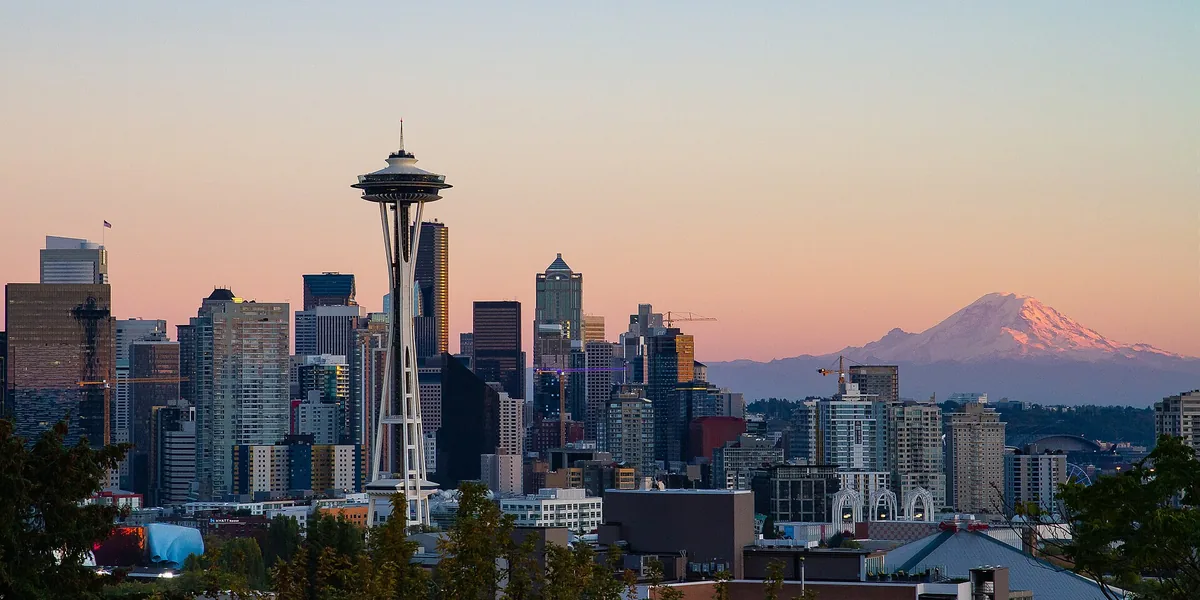
Washington City Guides
Bremerton
Navy town on the Kitsap Peninsula, a ferry ride across Puget Sound from Seattle.
Read the Bremerton guide →Seattle
Washington's largest city — tech hub, big-city amenities, and a cost of living to match.
Read the Seattle guide →Tacoma
Seattle's lifestyle at a lower price point, anchored by Joint Base Lewis-McChord.
Read the Tacoma guide →
Moving to Joint Base Lewis-McChord?
JBLM is the largest employer in the state, and a military move runs on different rules: the government books the household-goods shipment through JPPSO Northwest, pays you mileage to drive rather than shipping your car stateside, and every entitlement comes from your orders. Tacoma is the closest city to the gates; Lakewood, DuPont and Olympia are the usual commuter towns.

Washington Living and Vacationing Quick Reference
Living here
- State income tax
- None on wages or salaries as of 2026 — a 7% tax applies only to large long-term capital gains, and a 9.9% tax on income above $1 million begins January 1, 2028
- Sales tax
- 6.5% statewide, reaching 10.35% combined in Seattle
- Median home price
- About $636,000 statewide as of 2026 — roughly $850,000 in Seattle, $490,000 in Tacoma, $390,000 in Spokane
- Cost of living
- About 20% above the national average statewide; Seattle runs more than 57% above, Tacoma sits at an index of 122.7
- Driver's license deadline
- 30 days after moving — and you need the license before you can register a vehicle
- Population
- About 8 million, concentrated along the Puget Sound corridor
Visiting first
- Main airport
- Seattle–Tacoma International (SEA), between the two cities it names
- National parks
- Three — Olympic, Mount Rainier, and North Cascades
- Best scouting months
- July through September — the reliably dry season, with highs in the 70s
- The rain, honestly
- Seattle gets less annual rainfall than New York — it falls as drizzle across roughly 150 days, mostly November through March
- East of the Cascades
- A different state entirely: semi-arid Yakima and the Tri-Cities see around 300 days of sun a year
- Getting around the Sound
- Washington State Ferries is the largest ferry system in the United States
How Washington Got Its Name
Washington is the only state named after a president — and it nearly wasn't. When Congress carved the territory out of Oregon in 1853, the proposed name was Columbia, rejected to avoid confusion with the District of Columbia; the swap traded one confusion for another that persists today. The state's military footprint has equally deep local roots. On January 6, 1917, Pierce County voters approved a $2 million bond — 86% voted yes — to buy 70,000 acres of prairie and give it to the Army. That land became Camp Lewis, today's Joint Base Lewis-McChord: the first U.S. military installation created by a direct gift of land from the people.

How to Become a Washington Resident
Establishing residency unlocks a Washington driver's license, vehicle registration, in-state tuition, and resident access to state parks and programs. You establish residency in Washington by doing any one of the following — you don't need all of them:
- Renting or buying a home in Washington
- Working for a Washington employer
- Registering to vote in Washington
- Operating a business located in Washington
- Enrolling children in a Washington primary or secondary school
Washington Moving Checklist
- Get your Washington driver license at a Department of Licensing office within 30 days of moving; you need it before you can register a vehicle, and a valid out-of-state license transfers without a road test in most cases
- Register each vehicle within the same 30 days; Washington has no safety inspection and ended emissions testing on January 1, 2020, so there is nothing to test first
- Register to vote and expect a mailed ballot: every Washington election is vote-by-mail, ballots go out 18 days before election day, and online registration closes 8 days before
- Set up utilities by city: Seattle City Light and Seattle Public Utilities, Tacoma Public Utilities, Puget Sound Energy, or a local public utility district east of the mountains
- Budget at the register, not the paycheck: no tax on wages, but 6.5% state sales tax that reaches 10.35% combined in Seattle, and a 9.9% income tax on income over $1 million begins January 1, 2028
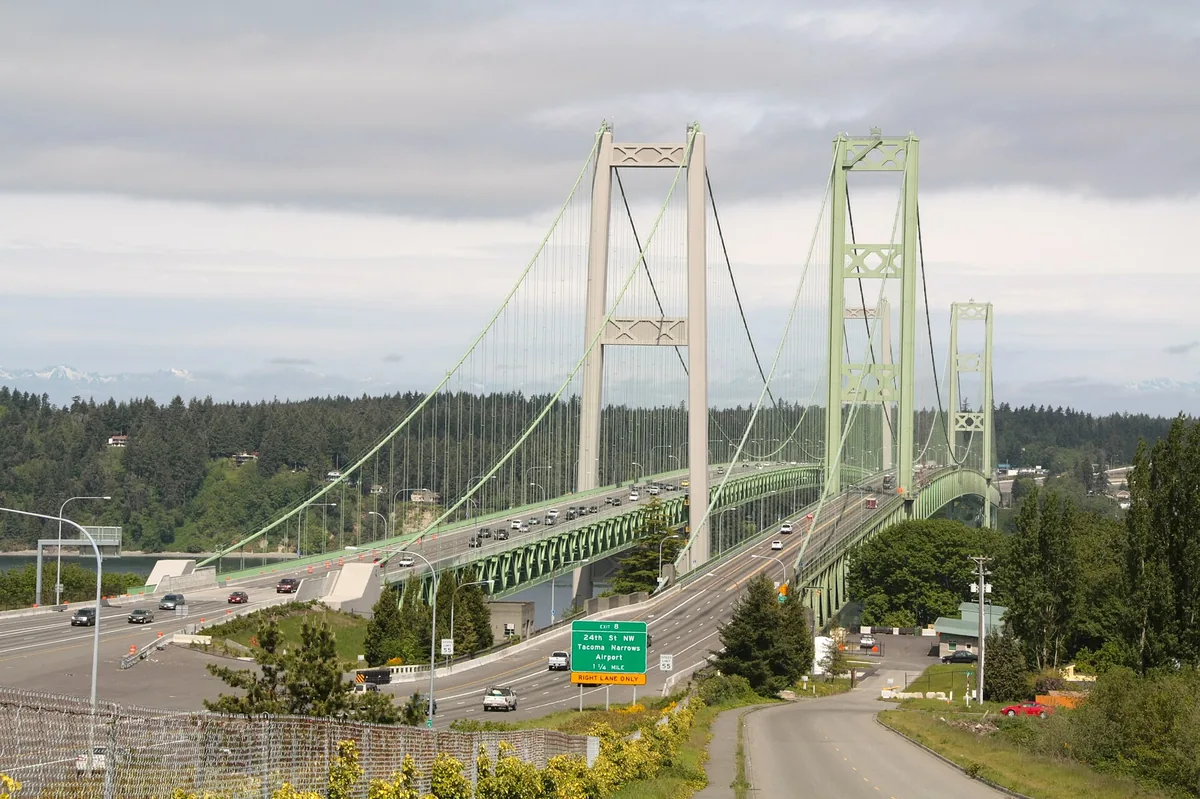
- Buy an annual Discover Pass for state parks and set up a Good To Go! account if you will cross the Tacoma Narrows Bridge or use the SR 520 bridge and I-405 express lanes

Questions Movers Ask About Washington
Does Washington State have an income tax?
Washington has no tax on wages or salaries as of 2026. It does levy a 7% tax on long-term capital gains above an inflation-indexed threshold (roughly $270,000), and the Department of Revenue has published a 9.9% tax on income above $1 million that begins January 1, 2028, with first returns due in April 2029. Sales tax is high — 6.5% at the state level and up to 10.35% in Seattle — so for most households the state collects at the register instead of from the paycheck.
How expensive is it to live in Washington?
About 20% above the national average statewide, but the spread is wide. Seattle runs more than 57% above the national average, Tacoma sits at a cost of living index of 122.7, and Spokane and the Tri-Cities land near the national average. The statewide median home price is about $636,000 as of 2026.
How long do I have to get a Washington driver's license after moving?
30 days. The Washington State Department of Licensing requires new residents to get a Washington driver's license within 30 days of moving, and you need that license before you can register any vehicle in the state.
Does it really rain all the time in Seattle?
No — Seattle receives less total annual rainfall than New York or Houston. The reputation comes from how the rain falls: light drizzle spread across roughly 150 days a year, concentrated November through March. Summers are reliably dry, and everything east of the Cascades is semi-arid.
How do I register my car after moving to Washington?
Within 30 days of moving, at a vehicle licensing office, after you hold a Washington driver license. Bring the out-of-state title or registration, proof of identity and your Washington address; there is no safety inspection, and Washington ended vehicle emissions testing on January 1, 2020, so nothing has to be tested first. Registration fees vary by county and vehicle weight.
When should I visit Washington before deciding to move?
Scout twice if you can. July through September shows the state at its best — dry, green, highs in the 70s. But a January visit shows the gray season you would actually live with on the west side, and that test filters out more would-be movers than any statistic.
Which Washington city should I move to?
It depends on what you are optimizing for. Seattle offers the deepest tech job market at the highest cost of living in the state. Tacoma delivers Puget Sound living at an index of 122.7 — well below Seattle — anchored by Joint Base Lewis-McChord. Bremerton suits Navy families and fast-ferry commuters on the quieter Kitsap Peninsula.
Sources and Data Notes
Residency options, license and vehicle-registration deadlines, and tax rates on this page reflect requirements published by the Washington State Department of Licensing and the Washington Department of Revenue. Cost, housing, and job-market figures draw on the public datasets used across ScoutLocale's city guides, including the U.S. Census Bureau, the U.S. Bureau of Labor Statistics, BestPlaces.net, and Niche.com.
Comparing states? Browse moving guides for every state.