
Living in Gulfport, MS: The Complete 2026 Relocation and Visitor Guide
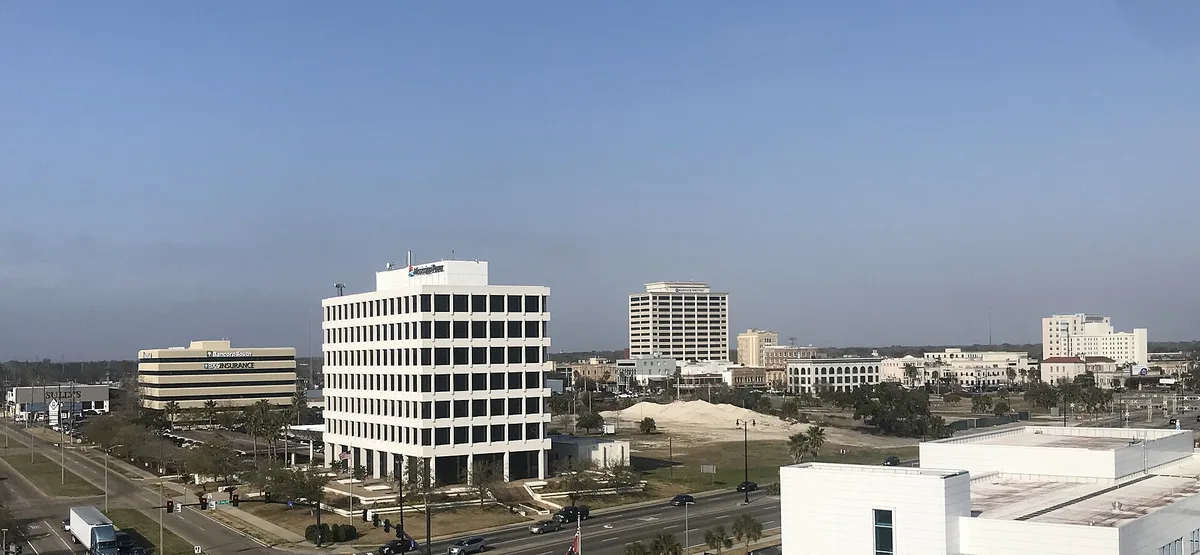
Gulfport pairs a cost of living 17.4% below the national average with a Gulf Coast economy anchored by two federal institutions — the Naval Construction Battalion Center (NCBC Gulfport), homeport to more than 4,500 Atlantic Fleet Seabees, and the Port of Gulfport, a deep-water cargo terminal worth an estimated $3.8 billion a year to the regional economy. The median home price sits at $214,000 as of February 2026, up 7.0% year-over-year, according to Redfin — still well below the national median. This guide is built for three readers: the military family with PCS orders to NCBC Gulfport or nearby Keesler Air Force Base, the remote worker or retiree chasing warm winters and a lower cost basis, and the visitor scouting the Mississippi Gulf Coast before deciding whether to stay.
Quick Answer — Is Gulfport Worth Moving To?
Gulfport is an affordable, military-anchored Gulf Coast city with a B+ overall grade from Niche.com, built around the Navy’s Seabee community, a working deep-water port, and 26 miles of white-sand beachfront. The cost of living index of 82.6 (U.S. average = 100) makes it one of the more affordable coastal cities in the country, and the Gulfport-Biloxi-Pascagoula metro’s unemployment rate of 2.9% as of April 2026 is below the national average. It’s an especially strong fit for Navy families PCSing to NCBC Gulfport, remote workers wanting beach access without a big-city price tag, and retirees drawn to mild winters — though the citywide crime index runs roughly double the national average (heavily concentrated in the downtown 39501 zip) and hurricane risk is a genuine, recurring planning factor.
At a Glance: Gulfport by the Numbers (2026)
| Metric | Gulfport |
|---|---|
| Population | 73,003 |
| Median home price | $214,000 |
| Cost of living index | 82.6 (U.S. avg = 100) |
| Median household income | $49,919 |
| Unemployment rate | 2.9% |
| Average commute | 19 minutes |
| Walk Score | 23/100 |
| Niche overall grade | B+ |
| Crime index | ~205 (U.S. avg = 100; lower = safer) |
| School district grade | A |
| Average summer high | 90°F |
| Average winter low | 46°F |
| Annual sunshine days | 219 |
Gulfport reads as an affordable, car-dependent Gulf Coast city where the trade-off for low costs and strong schools is a below-average Walk Score and an elevated — but sharply neighborhood-dependent — crime index. The 2.9% unemployment rate and A-graded school district are the two numbers that do the most to offset the crime and walkability figures.
Cost of Living in Gulfport
Gulfport’s cost of living index of 82.6 means everyday expenses run about 17.4% below the national average and roughly 5% below the Mississippi state average, according to BestPlaces.net (Sperling’s). Housing is the biggest driver of that gap: the median home price of $214,000 (Redfin, February 2026) sits far under the national median, though a longer-run citywide average from BestNeighborhood.org puts typical home value closer to $175,240 — a useful floor for buyers comparing across years rather than a single monthly snapshot. Groceries and utilities track close to the state average, which itself runs below the national baseline, and healthcare costs in the Gulfport-Biloxi metro are generally in line with or below national norms. Transportation costs stay modest thanks to a short average commute of 19 minutes and no toll roads on the primary routes (I-10 and US-49), though the 88.9% drive-alone rate means a car is essentially mandatory. Mississippi does levy a state income tax, currently being phased down toward elimination by 2030, so residents moving from a no-income-tax state should budget for it in the near term even as the housing and grocery savings work in their favor.
Housing Market Snapshot
The median home price in Gulfport is $214,000 as of February 2026, up 7.0% year-over-year, per Redfin — a market that has firmed up after a brief dip in late 2025. Inventory was healthy at 553 homes for sale as of September 2025, and homes are taking modestly longer to sell, averaging 43 days on market versus 40 in 2024, a sign the market is gradually shifting toward buyers. Rental data specific to Gulfport is limited in current sources; renters should check current listings directly, but the overall affordability of the market suggests 1BR and 2BR rents well under coastal-market norms elsewhere in the Southeast.
## Jobs and EconomyGulfport’s economy runs on three pillars: military and federal, maritime and logistics, and healthcare/tourism/gaming. The top employers are the Naval Construction Battalion Center (NCBC Gulfport, homeport to more than 4,500 Atlantic Fleet Seabees on a 1,100-acre installation), Memorial Hospital at Gulfport, Island View Casino Resort, the Mississippi State Port Authority at Gulfport, and the regional shipbuilding and refining sector anchored by Huntington Ingalls Industries and Chevron’s Pascagoula operations. The Port of Gulfport alone generates an estimated $3.8 billion in annual economic impact, moving more than 2 million tons of cargo and roughly 200,000 TEUs (twenty-foot equivalent shipping containers) a year, with a Corps of Engineers-recommended channel-deepening project — from 36 to 46 feet — underway to accommodate larger vessels. The Gulfport-Biloxi-Pascagoula metro’s unemployment rate stood at 2.9% as of April 2026, down 0.2 points year-over-year and below the national average, according to the Bureau of Labor Statistics via FRED. Median household income in the city proper is $49,919 (2024, Census ACS), while the broader metro area runs higher at $62,418 — a gap worth knowing if your job search extends into Biloxi or D’Iberville. Remote-work friendliness is aided less by tech infrastructure than by the math: a low cost of living plus coastal quality of life makes Gulfport an attractive base for anyone whose paycheck isn’t tied to a local employer.
Neighborhoods in Gulfport: Where to Live
Gulfport’s four core neighborhoods split along a predictable line — newer construction and larger lots to the north and west, walkable historic character downtown.
West Gulfport mixes newer construction with established homes along easy access to Highway 49 and I-10. Best for first-time buyers and growing families who want quick highway access to the beach, shopping, and dining without paying a premium for it. Typical housing runs single-family suburban. A short commute to NCBC Gulfport makes it a common landing spot for Navy families.
Bayou View is Gulfport’s most established family neighborhood, set along Bayou Bernard with mature oak canopies and walkable streets. Best for families prioritizing school-zone placement, since it carries some of the city’s strongest public-school assignments. Housing is a mix of mid-century and updated single-family homes, and the bayou itself is the neighborhood’s defining landmark.
North Gulfport (Turkey Creek/Three Rivers) has seen significant new construction over the past decade, with larger lots and newer homes than the rest of the city. Best for young families chasing top-rated schools and more space per dollar. Turkey Creek’s natural areas give the area a less dense feel than West Gulfport despite comparable proximity to the interstate.
Downtown Gulfport is in active revitalization, with new restaurants, shops, and community events filling in around historic character homes with unique architecture and walkable streets. Best for buyers who want walkability (a rarity in a 23/100 Walk Score city) and don’t mind that the downtown zip code, 39501, carries a higher crime index than the citywide figure. For nearby options outside city limits, see our guides to Biloxi and Long Beach.
## Schools, Safety, and Quality of LifeSchools: The Gulfport School District carries an overall A grade from Niche.com and ranks #11 among Best School Districts in Mississippi, with Gulfport High School individually graded A. Bayou View and North Gulfport zone into some of the district’s strongest assignments, a factor worth weighing alongside home price when choosing a neighborhood. For adult learners — including military spouses managing a mid-career move and transitioning service members — Mississippi Gulf Coast Community College offers continuing-education and workforce-training programs in the metro, and the University of Southern Mississippi’s Gulf Coast campus in nearby Long Beach adds night and extension options within a short drive.
Safety: Gulfport’s citywide crime index runs about 105% above the national average, driven heavily by a violent crime rate of 427.6 incidents per 100,000 residents, according to HomeSnacks. That single citywide number obscures real variation, though: zip code 39503 carries a crime index of 87 — 13% below the national average — while the downtown core, zip 39501, sits at 142, 42% above it. In practical terms, the neighborhoods with the least crime (West Gulfport and North Gulfport, both largely in the 39503 and 39501-adjacent tracts outside downtown proper) are also among the most popular with relocating families, while downtown’s revitalization is a genuine draw that comes with a real safety trade-off worth weighing block by block, not just by zip code average.
Quality of life: Memorial Hospital at Gulfport anchors the metro’s healthcare system, and the city’s pace of life leans unhurried — a function of its 23/100 Walk Score (Car-Dependent) and 19-minute average commute. Denser downtown and central pockets score meaningfully higher on walkability, in the 40–52 range, so residents who prioritize walking over driving should concentrate their housing search there rather than in the outer, more car-dependent tracts.
Climate and Weather in Gulfport
Gulfport has a humid subtropical climate: summers run hot and humid, with average highs near 90°F in July and August, while winters stay mild, with January highs around 59°F and lows in the mid-40s. The city logs 219 sunny days a year, above the U.S. average of 205, according to USClimateData — a genuine draw for retirees and remote workers leaving colder climates. The dominant weather risk is Atlantic and Gulf hurricane season, running June through November; Gulfport sits directly on the Mississippi Sound and was heavily affected by Hurricane Katrina in 2005, so flood insurance and storm preparedness are not optional line items for buyers here. The broader Gulf South tornado corridor adds a secondary, lower-probability risk. Anyone house-hunting in Gulfport should factor flood-zone status and insurance costs into the total housing budget before comparing listing prices alone.
Getting In and Out of Gulfport
Gulfport-Biloxi International Airport (GPT) sits just 3.4 miles from downtown, about a 10-minute drive and 2 miles off I-10 — a real convenience for frequent flyers and families with out-of-state relatives visiting. I-10 runs east-west and US-49 runs north-south through the city, and Amtrak’s Mardi Gras Service (New Orleans to Mobile) returned to the downtown Gulfport station in August 2025, restoring passenger rail access after a long gap. The Port of Gulfport handles deep-draft cargo shipping rather than passengers, but it underscores how connected this city is for its size. Military members traveling on orders and families connecting through New Orleans (about an hour west) benefit most from this layout.
Things to Do in Gulfport: Top Attractions and Day Trips
Gulfport’s leisure identity is Gulf Coast through and through: beaches, boats, and family-friendly museums, with a short drive to bigger casino and cultural scenes in Biloxi and New Orleans.
- Mississippi Aquarium — More than 1 million gallons of exhibits featuring Gulf and coastal marine life, located in downtown Gulfport. Appeals to families with kids of any age; ticketed admission, and booking online in advance is worth it during peak season.
- Ship Island & Fort Massachusetts — Part of Gulf Islands National Seashore, reached by passenger ferry from Gulfport harbor. A Civil War-era fort and pristine barrier-island beaches make this the outdoor pick; the ferry runs seasonally, so spring through early fall is the window.
- Gulfport’s beachfront — 26 miles of free, white-sand Mississippi Sound beach, less crowded than comparable stretches in Florida or Alabama. Best for swimming, beachcombing, and paddleboarding; no admission fee makes it the easiest recurring outing in the city.
- Lynn Meadows Discovery Center — Mississippi’s first children’s museum, with interactive exhibits and art studios built for young kids. A modest admission fee and a reliable rainy-day or summer-heat option for families with small children.
- TrainTastic — The world’s largest model railroad museum, a niche but genuinely notable draw for railroad enthusiasts and families looking for something different from the beach-and-aquarium circuit.
NCBC Gulfport’s presence and the working port give the city a built-in calendar beyond these five stops — Seabee homecomings, port and maritime events, and beach festivals tied to the mild-winter tourism season fill out the year for residents who put down roots.
Three day trips round out the region: Biloxi (under 20 minutes east) offers casino resorts, historic lighthouses, and sits immediately next to Keesler Air Force Base, making it a natural extension for military and gaming-industry households. New Orleans (about an hour west, 66 miles via I-10) is a full-day or weekend draw for the French Quarter, live jazz, and Gulf and Cajun cuisine. Ship Island itself, reached by the same harbor ferry noted above, works as a half- or full-day excursion for swimming and touring Fort Massachusetts.
## Moving to Gulfport: Your 90-Day Checklist90–60 days before:
- Research neighborhoods and set a housing budget using Zillow or Realtor.com, weighing Bayou View and North Gulfport school zones against West Gulfport’s commute convenience.
- Get at least three moving company quotes (PODS, Allied, HireAHelper, or a local Gulf Coast mover).
- Research Gulfport School District enrollment deadlines if you have children, especially for a mid-year PCS move.
- Review Mississippi’s state income tax implications, including the phased reduction underway toward 2030.
- Begin decluttering — book a self-storage unit if needed before your move date.
60–30 days before: 6. Confirm your moving company and lock in dates around hurricane season (June–November) if possible. 7. Transfer medical and dental records; find new providers in the Memorial Hospital at Gulfport network. 8. Notify your employer, bank, and subscriptions of your address change. 9. Research utility providers in Gulfport and set up accounts ahead of move-in. 10. Arrange short-term lodging if permanent housing won’t be ready immediately — a real possibility given the 43-day average days-on-market for buyers.
First 30 days after arrival: 11. Transfer your driver’s license and vehicle registration to Mississippi. 12. Register to vote at your new address. 13. Explore your neighborhood on foot where possible — downtown and central Gulfport reward it far more than the outer, car-dependent tracts. 14. Join local Facebook groups or Nextdoor for your neighborhood, including NCBC Gulfport family networks if applicable. 15. File a change of address with USPS if not already done.
## Frequently Asked Questions About Living in GulfportQ: Is Gulfport a good place to live? A: Gulfport carries a B+ overall grade from Niche.com, built on an affordable cost of living, an A-graded school district, and a stable military and port-driven economy. Its main trade-off is a citywide crime index roughly double the national average, though that risk is heavily concentrated downtown rather than spread evenly across the city.
Q: What is the cost of living in Gulfport? A: Gulfport’s cost of living index is 82.6 against a national average of 100 — about 17.4% below the national norm, according to BestPlaces.net. The median home price is $214,000 as of February 2026, per Redfin, well under the national median.
Q: Is Gulfport safe? A: Gulfport’s citywide crime index runs about 105% above the national average, but this varies sharply by zip code: 39503 sits 13% below the national average while downtown’s 39501 runs 42% above it. Overall, safety in Gulfport is a neighborhood-by-neighborhood question more than a citywide verdict.
Q: What are the best neighborhoods in Gulfport? A: Bayou View offers mature, walkable streets with strong school-zone placement; North Gulfport (Turkey Creek/Three Rivers) has newer construction on larger lots near top-rated schools; and West Gulfport gives easy highway access for commuters, including those headed to NCBC Gulfport.
Q: What is the job market like in Gulfport? A: The Gulfport-Biloxi-Pascagoula metro’s unemployment rate was 2.9% as of April 2026, below the national average, according to BLS/FRED. The economy centers on NCBC Gulfport (Navy Seabees), the Port of Gulfport, Memorial Hospital, and Island View Casino Resort.
Q: How far is Gulfport from Biloxi? A: Biloxi is about 14 miles east of Gulfport, under a 20-minute drive, and home to Keesler Air Force Base and the region’s larger casino district — close enough for a regular commute or a routine day trip.
Gulfport vs. Nearby Cities
Gulfport is the more affordable, more military-oriented option compared to Biloxi, its neighbor 14 miles east, which carries a larger casino and tourism economy and closer proximity to Keesler Air Force Base. Long Beach, just 2 miles from NCBC Gulfport, offers a smaller-town feel favored by some Navy families who want quieter streets without sacrificing the short commute onto base. D’Iberville, north across the Back Bay, has newer retail development and a growing suburban housing stock at prices comparable to Gulfport’s outer neighborhoods. All four cities share the same coastal cost-of-living advantage relative to the national average, but Gulfport’s combination of port, base, and A-graded schools makes it the default choice for most relocating families weighing the metro as a whole. For full profiles of these cities, see our guides to Biloxi, Long Beach, and D’Iberville.
Sources and Data Notes
Data compiled as of 2026 from the U.S. Census Bureau and American Community Survey, Bureau of Labor Statistics (via FRED), Niche.com, BestPlaces.net (Sperling’s), HomeSnacks (FBI Uniform Crime Reports-derived), WeatherSpark/USClimateData, Walk Score, and Redfin. Median household income and unemployment figures reflect 2024–2026 releases; where sources conflicted (notably unemployment and median household income), the directly sourced BLS/FRED and Census ACS figures were used over aggregator estimates. Median home price is reported from two distinct figures — a current monthly snapshot and a longer-run city-wide average — because they serve different purposes for a buyer.