
Living in Biloxi, MS: The Complete 2026 Relocation and Visitor Guide
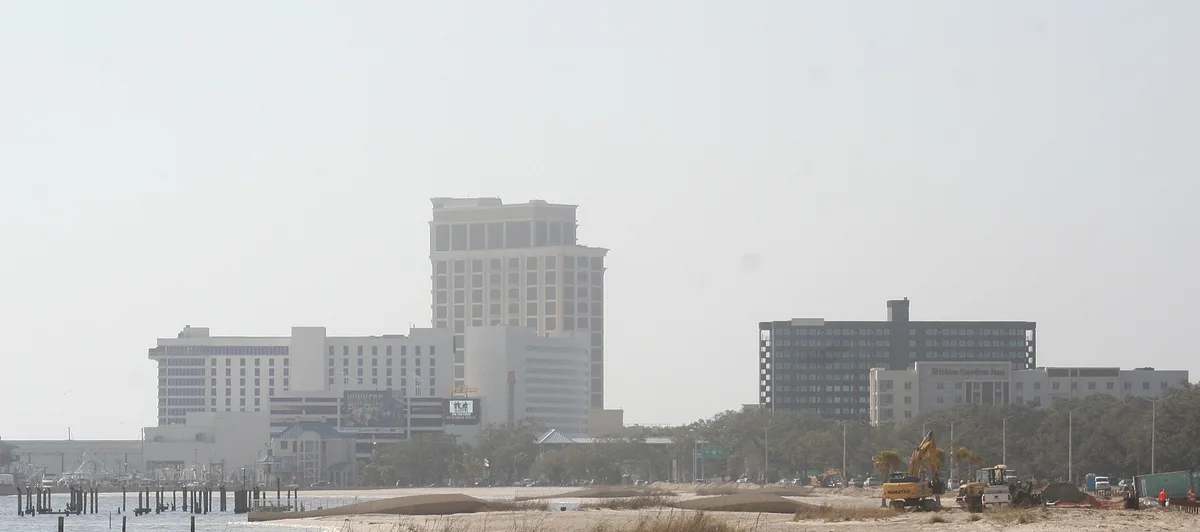
Biloxi pairs a cost of living index of 82.6 — 17.4% below the national average — with a median home price of $226,754 and a 2.8% unemployment rate anchored by Keesler Air Force Base, eight Gulf Coast casinos, and one of the country’s busiest seafood ports. That affordability comes with a real bill attached: homeowners insurance here runs $3,725 to $5,879 a year, several times the $1,820 national average, because Harrison County sits in one of the highest hurricane and storm-surge risk zones on the Gulf Coast. This guide is built for three readers — the family PCSing to Keesler under orders, the remote worker or retiree shopping a warm, affordable coast, and the visitor scouting the casino district and beaches before deciding whether to stay. Every number below comes with its trade-off, because that’s the only way this city makes sense on paper.
Quick Answer — Is Biloxi Worth Moving To?
Biloxi is an affordable, military- and tourism-anchored Gulf Coast city with a Niche overall grade of A- and a cost of living 17.4% below the national average. The job market is tight by the numbers — 2.8% unemployment as of 2026 — powered by Keesler Air Force Base, eight casinos, and a seafood-processing industry that ranks among the Gulf’s largest. It’s an especially strong fit for military families on orders to Keesler, retirees and remote workers chasing sun and cheap housing, and boating or beach-focused buyers, though steep hurricane-driven insurance costs and a crime index 17% above the national average are trade-offs every mover needs to budget for up front.
At a Glance: Biloxi by the Numbers (2026)
| Metric | Biloxi |
|---|---|
| Population | 48,861 |
| Median home price | $226,754 |
| Cost of living index | 82.6 (U.S. avg = 100) |
| Median household income | $57,204 |
| Unemployment rate | 2.8% |
| Average commute | 21.3 minutes |
| Walk Score | 31/100 |
| Niche overall grade | A- |
| Crime index | 117 (U.S. avg = 100; lower = safer) |
| School district grade | A+ |
| Average summer high | 90°F |
| Average winter low | 43°F |
| Annual sunshine days | 219 |
Biloxi reads as a budget-friendly small city with strong schools and a stable job base, though the crime index above 100 and the car-dependent Walk Score of 31 mean daily life leans on a vehicle and a bit of street-level awareness. The numbers favor buyers with a steady income and a plan for insurance costs, more than they favor anyone counting on walkability or a big-city job ladder.
Cost of Living in Biloxi
Biloxi’s cost of living index sits at 82.6 as of 2026 — meaning everyday expenses run about 17.4% below the national average and roughly 5% below the Mississippi state average, according to BestPlaces.net (Sperling’s). Housing drives most of that gap: the median home price of $226,754 is well under the national median, though it sits above the wider Gulfport-Biloxi-Pascagoula metro average of about $176,257, a sign that Biloxi’s coastline and casino proximity carry their own premium within an otherwise cheap region. Groceries and utilities generally track close to or below the national baseline in Gulf Coast small cities of this size, and healthcare costs benefit from the presence of the Memorial Hospital at Gulfport/Biloxi system nearby. Transportation costs stay modest thanks to a short 21.3-minute average commute, according to Census Reporter, though the trade-off is a near-total dependence on a car. Mississippi levies a state income tax with a top rate that applies to most working residents, so factor that into any move from a no-income-tax state — but the real budget item to plan around here isn’t income tax. It’s insurance, covered below.
Housing Market Snapshot
The Zillow-tracked typical home value in Biloxi is $226,754 as of mid-2026, up a modest 0.6% year-over-year — a flat, buyer-friendly market rather than a hot one. Sold-price medians reported elsewhere for 2025 swung from $207,000 to nearly $310,000 depending on the month, a reminder that in a market this size, a single month’s headline number is noisy rather than trend-setting. A widely cited rent figure from Niche puts the citywide median near $1,007 a month, though no reliable 1BR/2BR breakdown exists in available sources — treat that number as directional, not precise, until you’ve checked current local listings.
## Jobs and EconomyBiloxi’s economy runs on three legs, and none of them is small. Keesler Air Force Base, home to the Air Force’s 81st Training Wing, employs roughly 12,600 active-duty personnel and 3,600 civilians and contributes an estimated $1.4 billion or more to the regional economy each year — making it, by a wide margin, the top employer in the city. The gaming and tourism sector runs a close second: eight Gulf Coast casinos, including Beau Rivage, Hard Rock, IP Casino Resort Spa, and Golden Nugget, generate well over $800 million in casino revenue alone and employ thousands in hospitality, dining, and entertainment. The third leg is seafood and maritime — Biloxi hosts 11 of the Gulf Coast’s 38 seafood processing plants, and the shrimp industry alone contributes roughly $250 million regionally. Ingalls Shipbuilding in nearby Pascagoula, Mississippi’s largest single private employer, also draws from the Biloxi labor pool. Unemployment sits at 2.8% as of 2026 and median household income at $57,204, up from $55,958 the year before, according to Data USA — solid numbers, but they come from an economy weighted toward defense spending and tourism, both of which are exposed to federal budget cycles and hurricane-season disruptions in ways a more diversified metro isn’t. Remote-work infrastructure isn’t a defined strength of this market based on available data — a real gap if your job depends on it, worth confirming with a target-neighborhood internet speed check before you commit.
Neighborhoods in Biloxi: Where to Live
Biloxi’s four main residential areas split cleanly by trade-off — coastal character and walkability versus distance from storm surge and lower cost.
Downtown Biloxi: The historic core, blending 19th-century architecture with the modern casino and waterfront development along Highway 90. Best for buyers who want urban character and walking access to the entertainment district — Walk Score pockets here run in the 60s and 70s, well above the citywide average of 31. Landmark: the 1848 Biloxi Lighthouse, sited in the highway median.
Woolmarket: A quiet, suburban area on the city’s north side, away from the immediate coastline. Best for families who want more space, newer single-family construction, and meaningfully less hurricane and storm-surge exposure than the beachfront neighborhoods. Landmark: Woolmarket Park.
River Oaks: An established residential community within the Harrison County School District. Best for families prioritizing schools over walkability, with predominantly single-family housing stock and a settled, low-turnover feel.
East Biloxi (Point Cadet/Back Bay): The city’s most affordable housing stock, historically tied to the seafood and fishing industry along a working waterfront. Best for budget-conscious buyers who want walkable access to the harbor. Landmark: Point Cadet Plaza and the Small Craft Harbor.
For comparison, see our guides to Gulfport, Ocean Springs, and D’Iberville — all a short drive from any Biloxi neighborhood.
## Schools, Safety, and Quality of LifeThe Biloxi Public School District carries an A+ grade on Niche, covering 10 schools and 5,764 students, with the district’s high school also individually rated A. Families in River Oaks fall under the separate Harrison County School District, an option worth confirming by exact address before you buy. For adult learners, military spouses, and transitioning service members, Mississippi Gulf Coast Community College offers accessible continuing-education and workforce-training programs in the region, a relevant option given how many residents arrive via Keesler orders or a spouse’s career change. Biloxi’s crime index of 117 sits 17% above the national average, with a safety grade of C — the violent crime rate runs about 21% above the national average and property crime, driven mainly by larceny and theft, is the larger share of incidents, according to FBI Uniform Crime Report-based data. That risk isn’t spread evenly: Woolmarket and River Oaks, set back from the immediate tourist and casino corridors, see less of it than the areas closest to the entertainment district. Quality of life leans toward a slower, coastal pace — Memorial Hospital at Gulfport/Biloxi anchors the regional health system, the Walk Score of 31 confirms most errands require a car, and 219 days of sunshine a year, above the U.S. average of 205, keep outdoor life viable most of the year.
Climate and Weather in Biloxi
Biloxi runs a humid subtropical Gulf Coast climate: summers are hot and humid, with an August average high of 90°F, while winters stay mild, with a January average high of 61°F and essentially no snow. Sunshine is abundant at 219 days a year. The defining weather risk is hurricanes — Mississippi’s six coastal counties, Harrison County included, carry the state’s highest hurricane and storm-surge exposure, with a major hurricane striking the state roughly every other year on average, according to Mississippi Today. That risk shapes housing decisions directly: expect to budget for a separate flood insurance policy (roughly $1,300 a year in flood-risk zones) on top of your homeowners premium, and to weigh elevation and distance from the coastline as seriously as square footage when you shop.
Getting In and Out of Biloxi
Gulfport-Biloxi International Airport (GPT) sits 11.1 miles from downtown Biloxi, about a 15–20 minute drive and just 2 miles off I-10. Interstates 10 and I-110 provide the primary road access in and out of the city, and Amtrak’s Mardi Gras Service, with a downtown Biloxi station, restored New Orleans rail service in 2025. This matters most to military families flying in on orders, frequent flyers visiting relatives elsewhere, and anyone weighing how easy it’ll be to get family down for a visit — GPT’s regional size means fewer direct flights than a hub airport, so check routes before you assume a quick nonstop home.
Things to Do in Biloxi: Top Attractions and Day Trips
Biloxi’s leisure identity runs on three currents — beach, casino floor, and working waterfront — and a visitor can sample all three in a single weekend without a car ferry or long drive.
- Biloxi Beach & Gulf waterfront: Miles of soft white sand along Highway 90, popular for paddleboarding, jet skiing, and surf fishing. Public access is free, though parking and amenities vary by stretch — appeals to families and watersports fans alike.
- Casino district (8 casinos): Beau Rivage, Hard Rock, IP Casino Resort Spa, Golden Nugget, Harrah’s Gulf Coast, Boomtown, Palace Casino Resort, and Treasure Bay anchor the tourism economy with resort dining, live entertainment, and gaming floors — the draw for nightlife and entertainment seekers.
- Biloxi Lighthouse (1848): One of the first cast-iron lighthouses in the South, uniquely sited in the median of Highway 90. Climbs run only in the early morning, 9:00–9:30 a.m., because the structure retains heat — a favorite for history buffs and photographers.
- Ohr-O’Keefe Museum of Art: A Frank Gehry-designed campus celebrating potter George Ohr, the self-styled “Mad Potter of Biloxi.” A modest admission fee gets art and architecture fans a genuinely unexpected building for a city this size.
- Maritime & Seafood Industry Museum: Chronicles the Gulf Coast’s shrimping and seafood heritage, and pairs well with a Biloxi Shrimping Trip excursion — a solid family and culture-focused stop.
The casino district alone generates a running calendar of live concerts, comedy shows, and seasonal events most weekends of the year, which means Biloxi’s entertainment options don’t require advance planning the way a single-venue city’s would.
Three easy day trips round out a visit. Ocean Springs, just 10–15 minutes across the Biloxi Bay Bridge, is an oak-lined arts town home to the Walter Anderson Museum of Art and enough galleries and restaurants that locals treat it as a regular outing, not just a tourist stop. New Orleans is about an hour and fifteen minutes via I-10, close enough that Gulf Coast residents treat it as a standard weekend destination for music, dining, and the French Quarter. Ship Island, reached by a 50-minute ferry from the Biloxi/Gulfport docks, trades development for pristine barrier-island beaches and the Civil War-era Fort Massachusetts — dolphins are a common sight on the crossing.
## Moving to Biloxi: Your 90-Day Checklist90–60 days before:
- Research neighborhoods and set a housing budget using Zillow or Realtor.com — and get a homeowners insurance quote early, given Biloxi’s above-average premiums.
- Get at least three moving company quotes (PODS, Allied, HireAHelper, or local movers).
- Research Biloxi Public School District or Harrison County School District enrollment deadlines if you have children.
- Review Mississippi state income tax implications for your household.
- Begin decluttering — book a self-storage unit if needed.
60–30 days before: 6. Confirm your moving company and lock in dates. 7. Transfer medical and dental records; find new providers in the Memorial Hospital at Gulfport/Biloxi system. 8. Notify your employer, bank, and subscriptions of your address change. 9. Research utility providers in Biloxi and set up accounts. 10. Arrange short-term lodging if permanent housing won’t be ready immediately.
First 30 days after arrival: 11. Transfer your driver’s license and vehicle registration to Mississippi. 12. Register to vote at your new address. 13. Explore your neighborhood on foot using the attractions section above — start downtown, where Walk Score climbs into the 60s and 70s. 14. Join local Facebook groups or Nextdoor for your Biloxi neighborhood. 15. File a change of address with USPS if not already done.
## Frequently Asked Questions About Living in BiloxiQ: Is Biloxi a good place to live? A: Biloxi carries a Niche overall grade of A- and offers a cost of living 17.4% below the national average, backed by a stable military and tourism economy. Its main trade-off is a crime index 17% above the national average, so it suits budget-conscious movers and military families willing to choose neighborhoods carefully.
Q: What is the cost of living in Biloxi? A: Biloxi’s cost of living index is 82.6 as of 2026, meaning everyday expenses run about 17.4% below the national average, according to BestPlaces.net. The median home price is $226,754, well under the national median, though hurricane-driven insurance costs add a significant line item most other markets don’t carry.
Q: Is Biloxi safe? A: Biloxi’s crime index of 117 is 17% above the national average, with a safety grade of C, according to FBI Uniform Crime Report-based data. Risk isn’t distributed evenly — Woolmarket and River Oaks, away from the casino and tourist corridors, see meaningfully less crime than the busier waterfront areas.
Q: What are the best neighborhoods in Biloxi? A: Downtown Biloxi offers walkable, historic character near the casino district; Woolmarket suits families wanting space and less storm-surge exposure; East Biloxi (Point Cadet) offers the most affordable housing with harbor access.
Q: What is the job market like in Biloxi? A: Unemployment sits at 2.8% as of 2026, with the economy anchored by Keesler Air Force Base, eight Gulf Coast casinos, and a major seafood-processing industry. The market is tight but concentrated — defense spending and tourism swings are the main risks to watch.
Q: How far is Biloxi from New Orleans? A: New Orleans is about 1 hour and 15 minutes from Biloxi via I-10, close enough that many Gulf Coast residents treat it as a regular weekend destination rather than a special trip.
Biloxi vs. Nearby Cities
Biloxi, Gulfport, and Ocean Springs sit within a 15-minute drive of each other but offer distinct trade-offs. Gulfport, the larger neighbor, carries a broader job base and the region’s airport but a similar hurricane-insurance burden. Ocean Springs trades Biloxi’s casino-district energy for an arts-town feel and typically commands a housing premium for its walkability and school reputation. D’Iberville, just across the bay, offers newer construction and a more suburban, family-oriented feel with easier highway access to both Biloxi and Gulfport. All three share Biloxi’s coastal cost-of-living advantage and its hurricane exposure — the choice comes down to pace of life and commute more than raw affordability. For full profiles of these cities, see our guides to Gulfport, Ocean Springs, and D’Iberville.
Sources and Data Notes
Data compiled as of 2026 from the U.S. Census Bureau / American Community Survey (population, commute), Bureau of Labor Statistics and Data Commons (unemployment), Data USA (median household income), Zillow (home values), BestPlaces.net / Sperling’s (cost of living, climate), Niche.com (city and school district grades), Walk Score, FBI Uniform Crime Reports (via NeighborhoodScout-sourced crime index), and Mississippi Today / Insure.com / MoneyGeek (insurance costs). Median home price and sold-price comps varied notably by source and month in a market this size; the Zillow typical-value figure was used as the primary metric for stability. Rent figures for Biloxi are a genuine data gap — the single available citation (Niche, ~$1,007/month median) should be treated as approximate pending a fuller local listings check.