
Living in San Antonio, TX: The Complete 2026 Relocation and Visitor Guide
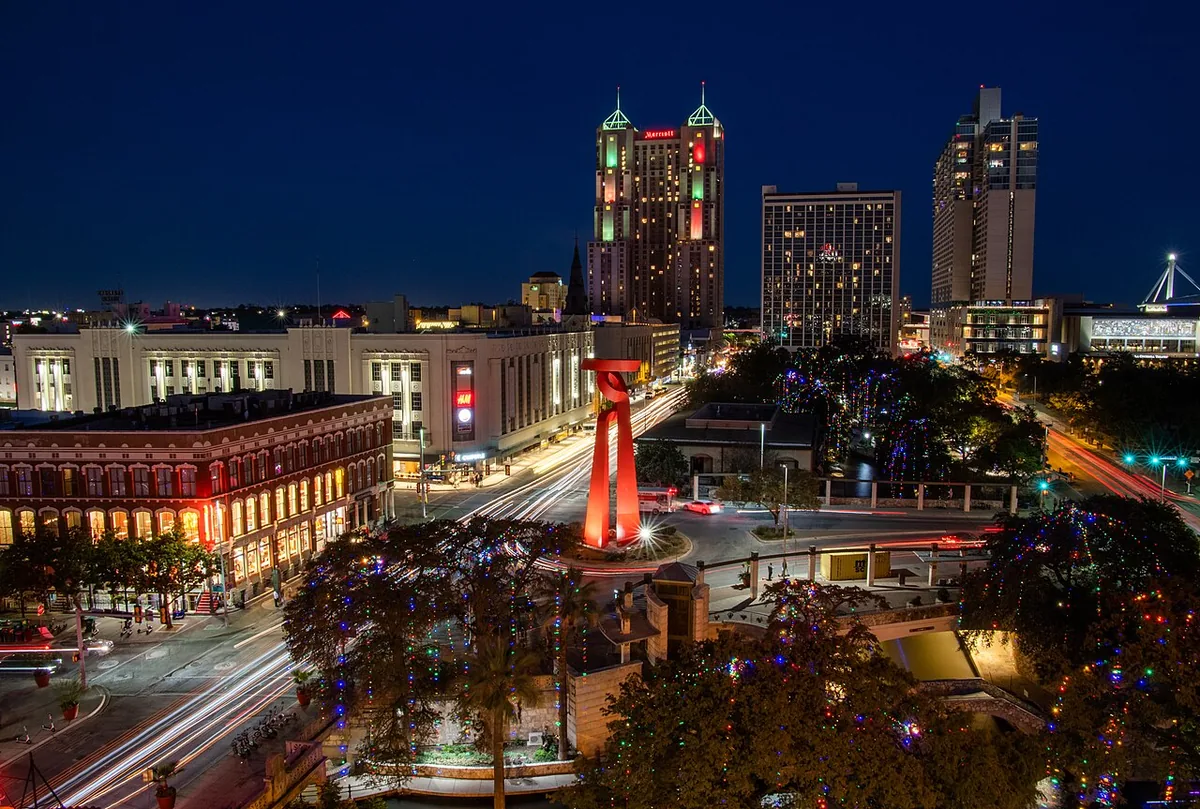
San Antonio carries a cost of living index of 91.3 — 8.7% below the national average — against a median home price near $279,000 in 2026, a combination that makes it the most affordable major city in Texas by home price, below Austin, Dallas, and Houston. The economy runs on Joint Base San Antonio (JBSA), the nation’s largest military installation by population and home to more than 82,000 direct defense jobs, alongside USAA, H-E-B, and Valero Energy, all headquartered here. The city adds 1.5 miles of River Walk, five UNESCO World Heritage missions, and a genuine claim to being a UNESCO Creative City of Gastronomy. The trade-offs get honest treatment throughout this guide: a Walk Score of just 37, and school quality that swings from an A+ suburb to a D-rated district within a few miles. Whether you’re planning a permanent move, weighing a PCS (permanent change of station — a military move) to JBSA, or visiting first to scout the city, here is everything on cost of living, jobs, neighborhoods, schools, safety, and things to do in the Alamo City.
Quick Answer — Is San Antonio Worth Moving To?
San Antonio is the most affordable major city in Texas by home price, with a cost of living index of 91.3 (8.7% below the national average) and a median home around $279,000 in 2026 — well under Austin’s, Dallas’s, or Houston’s typical figures. The economy is anchored by JBSA (the nation’s largest military installation by population), USAA, H-E-B, and a growing healthcare sector, with unemployment at 3.8%. It’s an especially strong fit for military families stationed at JBSA, healthcare and financial-services professionals, and anyone drawn to a majority-Latino city with deep culinary and cultural roots, though a Walk Score of 37 means most residents need a car, and school quality varies sharply enough by district that address selection matters more here than in most cities.
At a Glance: San Antonio by the Numbers (2026)
| Metric | San Antonio |
|---|---|
| Population | 1,526,656 (city); 2,491,000 (metro) |
| Median home price | $279,000 |
| Cost of living index | 91.3 (U.S. avg = 100) |
| Median household income | $65,056 |
| Unemployment rate | 3.8% |
| Average commute | 24.5 minutes |
| Walk Score | 37/100 |
| Niche overall grade | B+ (estimated) |
| Crime index | 52 per 1,000 residents (total crime) |
| School district grade | Mixed (A+ to D by district) |
| Average summer high | 96°F |
| Average winter low | 44°F |
| Annual sunshine days | 220 |
San Antonio’s median household income of $65,056 goes further than the national median when weighed against a cost of living index of 91.3 — everyday expenses run about 9% below the national average, according to BestPlaces.net (Sperling’s). The crime figure of 52 per 1,000 residents, per NeighborhoodScout, means San Antonio is safer than only about 6% of U.S. cities on that measure, though the number varies enormously by neighborhood, from the tourist-heavy downtown core to quiet suburban districts.
Cost of Living in San Antonio
San Antonio’s cost of living index sits at 91.3 as of 2026 — about 8.7% below the national average, according to BestPlaces.net. Housing is the main driver: the median home price runs approximately $279,000, down from a May 2025 peak near $297,000, making San Antonio the most affordable big Texas city by home price. Rent for a one-bedroom apartment averages $1,050–$1,200/month, and a two-bedroom runs $1,300–$1,550/month — both comfortably below the Texas big-city average. By category, San Antonio runs below the national average on most everyday costs — PayScale puts groceries about 7% below, utilities roughly 15% below, and transportation about 8% below, as of 2026 — with healthcare the notable exception, running above the national average. Texas levies no state income tax (the state constitution bars one), so San Antonio residents keep more of their paychecks; the offset is a relatively high effective property tax rate of roughly 1.4–1.6% of home value, softened by a $140,000 homestead exemption on school-district taxes, plus a combined sales tax of 8.25% (6.25% state plus local), as of 2026.
Housing Market Snapshot
San Antonio’s median home price has softened from its May 2025 peak of roughly $297,000 to approximately $260,000–$279,000 in early 2026, per HousingData.report and Redfin — a genuine buyer’s market, with increased inventory and homes sitting on the market longer than in prior years. One-bedroom rents run $1,050–$1,200/month; two-bedrooms average $1,300–$1,550/month. The $6 billion-plus annual JBSA military economic footprint, combined with a diversified corporate base, provides a stable demand floor even as the broader market cools.
---Jobs and Economy
San Antonio’s economy rests on four pillars: defense, healthcare, financial services, and tourism. Joint Base San Antonio (JBSA) is the nation’s largest military installation by population, with more than 82,000 direct defense jobs. USAA employs more than 18,000 people locally, and the city is headquarters to H-E-B (more than 150,000 employees Texas-wide) and Valero Energy (about 10,000 employees), giving San Antonio a corporate weight unusual for a city its cost of living. Healthcare employs more than 75,000 people across Methodist Healthcare System, Baptist Health System, and University Health. Toyota’s South Texas manufacturing plant produces roughly 210,000 vehicles a year, anchoring a growing advanced-manufacturing sector. Tourism and hospitality round out the picture — San Antonio is one of the nation’s top 10 tourist destinations, driven by the Alamo, the River Walk, and the UNESCO missions. Unemployment sits at 3.8% as of September 2024, according to the Bureau of Labor Statistics and Workforce Solutions Alamo, and the city’s affordability continues to attract remote workers and corporate relocations from higher-cost metros.
Neighborhoods in San Antonio: Where to Live
San Antonio’s neighborhoods range from a walkable historic core to master-planned suburbs and ultra-luxury enclaves, and the right fit depends heavily on commute, school priorities, and budget.
King William Historic District / Southtown is San Antonio’s most walkable and culturally vibrant neighborhood, with Victorian mansions, indie restaurants, art galleries, and nightlife just south of downtown. Best for young professionals and arts-oriented residents who want a compact, bikeable community, King William trades suburban space for genuine urban character.
Alamo Heights is a prestigious inner-ring suburb five miles north of downtown, lined with live oaks and consistently ranked among the top five places to live in Texas (Niche A+), anchored by the top-rated Alamo Heights ISD. Best for families and affluent professionals, median homes here run $600,000 and up.
Stone Oak is a master-planned northern suburb with meticulous HOA-maintained streets and excellent Northeast ISD schools. Best for family-centric households wanting strong amenities and predictable neighborhood upkeep, Stone Oak’s median homes run $350,000–$550,000.
Government Hill is a gentrifying neighborhood directly adjacent to the Pearl District, with historic Craftsman-era homes and among the fastest-appreciating ZIP codes in the city. Best for buyers who want walkable access to Pearl restaurants and shops at a lower entry price than Southtown, Government Hill rewards getting in early on a neighborhood still finding its ceiling.
For additional options near San Antonio, see our guides to Austin, New Braunfels, and Houston.
---Schools, Safety, and Quality of Life
Schools: San Antonio’s school quality varies sharply by district, which makes address selection unusually important here. San Antonio Independent School District (SAISD), the central and largest district, received a C from the Texas Education Agency (TEA) in 2025. Northeast ISD and Northside ISD — the two districts most JBSA-adjacent military families use — are both rated B. Alamo Heights ISD, an independent suburban district, holds an A+ from Niche. Edgewood ISD and South San Antonio ISD received D grades from TEA. Alamo Heights ISD is the marquee public district — Alamo Heights High School is regularly rated among the area’s top campuses — while Northside ISD and Northeast ISD run well-regarded magnet programs. For adult learners, including military spouses and veterans, the Alamo Colleges District — a five-college system (San Antonio College, Northwest Vista, Palo Alto, St. Philip’s, and Northeast Lakeview) serving more than 100,000 students — offers academic, workforce, and continuing-education courses across the metro, as of 2026.
Safety: San Antonio’s citywide crime rate is a genuine challenge — NeighborhoodScout puts total crime at 52 per 1,000 residents (violent crime 8.83 per 1,000, property crime 51 per 1,000), placing the city safer than only about 6% of U.S. cities on that measure, per 2024 FBI-sourced data. That said, risk is not evenly distributed: rates vary widely between the tourist-heavy historic core and outer residential neighborhoods, and the honest read is that motor vehicle theft and property crime, more than violent crime, drive much of the citywide number. Researching specific neighborhoods and blocks before choosing a home address is especially important in San Antonio.
Quality of Life: Methodist Hospital–San Antonio ranks #1 in the city and #9 statewide (U.S. News 2025–26), with Baptist Medical Center jumping from #29 to #15 in Texas in the same period — a meaningful investment signal. University Health (UT Health San Antonio) serves as the region’s academic medical center and Level I trauma center. San Antonio earned UNESCO Creative City of Gastronomy status, and the Pearl District has become the city’s social hub, with weekend farmers markets and a dense concentration of quality restaurants. Fiesta San Antonio — a 10-day, 100-plus-event celebration each April — reflects a community identity that’s festive, communal, and proud, with a median age of 33.6 that skews younger than the national average.
Climate and Weather in San Antonio
San Antonio has a humid subtropical climate with long, hot summers and short, mild winters. Summer runs May through September, with average highs of 93–96°F and triple-digit heat waves common in July and August. Winters are brief: January averages a 44°F overnight low and rarely dips below freezing, though the February 2021 winter freeze that affected all of Texas is a reminder that ice storms, while rare, do happen. Spring and fall are the prime outdoor seasons, with sunny days in the 70s and 80s°F. Weather risks include severe thunderstorms and hail in spring — San Antonio sits on the periphery of Tornado Alley — and occasional flash flooding in Hill Country drainage areas. The 220 sunny days a year support a largely year-round outdoor lifestyle, though summer heat pushes most activity to early mornings and evenings.
Getting In and Out of San Antonio
San Antonio International Airport (SAT) sits about 8 miles north of downtown — roughly a 15-minute drive — with access from Loop 410 and US-281 (the McAllister Freeway), as of 2026. The metro is stitched together by three interstates — I-35, I-10, and I-37 — plus two beltways, Loop 410 and the outer Loop 1604. I-35 is the key regional corridor, linking San Antonio directly to Austin roughly 80 miles northeast. VIA Metropolitan Transit runs 75 bus routes across Bexar County, logging about 27 million trips in 2024 — up 11% year over year — though a Transit Score of 31 means most residents still need a car for daily life. A voter-approved Green Line Advanced Rapid Transit route, planned to open in 2028, will eventually connect the airport to the historic missions corridor. For now, this matters most to frequent flyers, out-of-town family visits, and JBSA service members traveling on orders, all of whom should plan on driving to the airport themselves.
Things to Do in San Antonio: Top Attractions and Day Trips
San Antonio’s leisure identity blends deep Texas history, a UNESCO-recognized culinary scene, and a river that runs straight through the middle of downtown. Whether you’re drawn to history, food, family theme parks, or Hill Country day trips, San Antonio delivers without requiring an Austin-size budget.
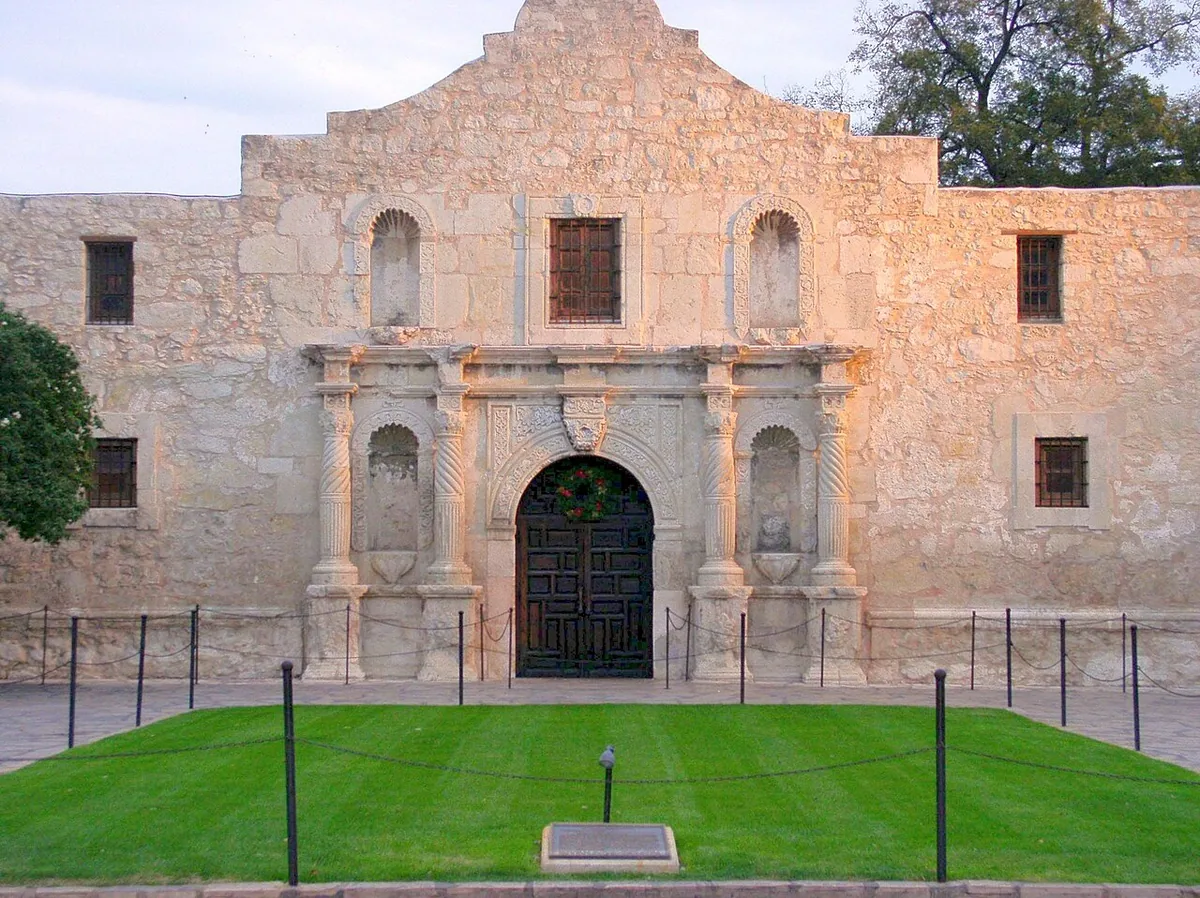
- The Alamo — Founded in 1718, the Alamo is the most-visited historic site in Texas and the “Cradle of Texas Liberty.” Grounds admission is free, with an expanded museum ticket available; reserving a timed entry on busy weekends is worth the extra step.
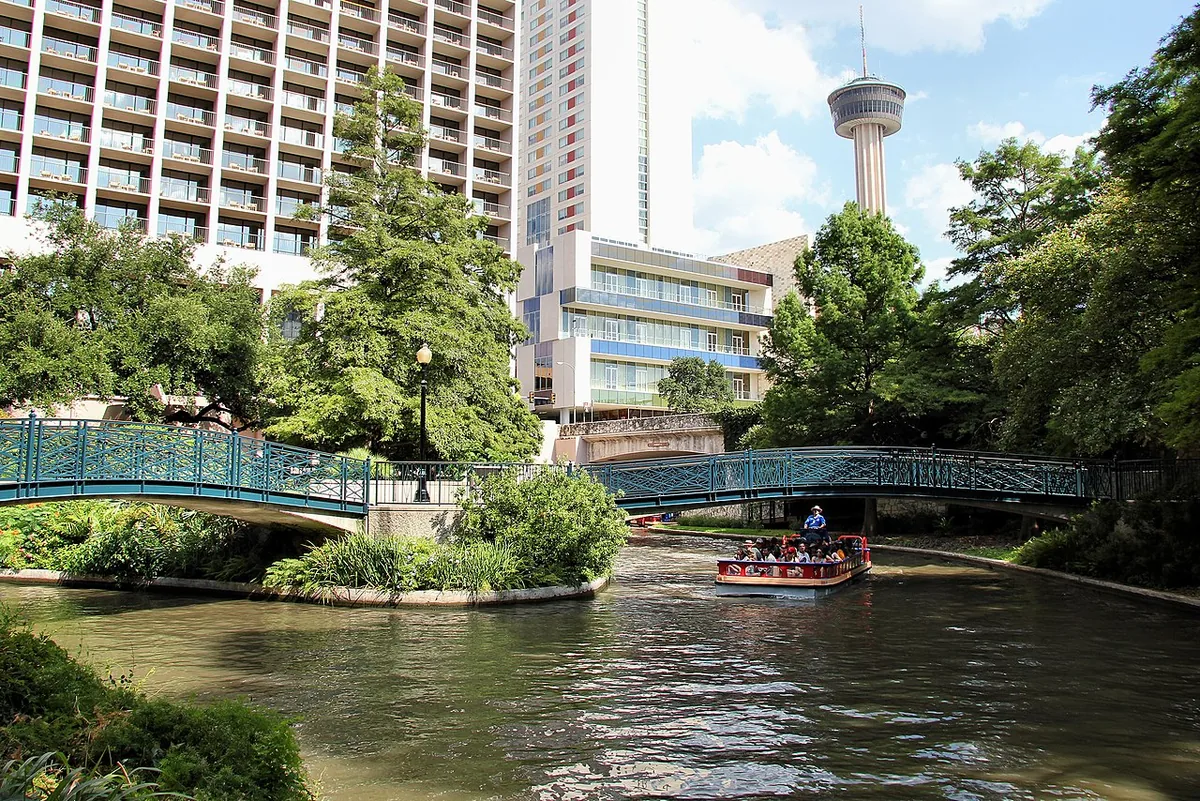
- San Antonio River Walk — A 15-mile urban waterway threading through downtown, the Museum Reach, and the Mission Reach, lined with restaurants, hotels, and cafes. Walking the River Walk is free; gondola and barge tours run $15–$20, and the Mission Reach section connects directly to the UNESCO missions.
- San Antonio Missions National Historical Park — Five 18th-century Spanish colonial missions, including Mission Concepción, San José, San Juan, Espada, and the Alamo itself, make up Texas’s only UNESCO World Heritage Site. Admission is free, and all five missions remain active Catholic parishes today.

-
Pearl District — The former Pearl Brewing Company campus, now San Antonio’s premier food, retail, and entertainment destination, anchored by Hotel Emma, a historic brewhouse hotel, with a Saturday farmers market and year-round events that keep the district lively well beyond typical business hours.
-
Six Flags Fiesta Texas / SeaWorld San Antonio — Two major theme parks on the northwest side; Fiesta Texas is known for its rock-quarry amphitheater setting and roller coasters, while SeaWorld offers marine shows and the adjacent Aquatica waterpark. Both operate seasonally with annual pass options, making them a strong pick for families with kids of any age.
Day Trips: Fredericksburg is about an hour away, a German Hill Country town with 45-plus wineries and Enchanted Rock State Natural Area — a favorite weekend getaway for wine lovers and hikers. Gruene and New Braunfels sit 40–45 minutes out, home to Guadalupe River tubing and Gruene Hall, the oldest operating dance hall in Texas, best visited in summer. Austin is roughly 1.5 hours north on I-35, offering live music, the University of Texas campus, and South Congress Avenue for a longer day trip or easy overnight.
---Moving to San Antonio: Your 90-Day Checklist
90–60 days before:
- Research neighborhoods and set a housing budget using Zillow or Realtor.com — prioritize Northeast ISD or Northside ISD boundaries if you have school-age children and JBSA proximity matters
- Get at least three moving company quotes (PODS, Allied, HireAHelper, or local movers)
- Research school enrollment deadlines if you have children — district quality varies sharply here, so confirm your target address’s ISD before signing a lease
- Review Texas’s tax structure before finalizing your budget — no state income tax, but effective property taxes run roughly 1.4–1.6% of home value and combined sales tax is 8.25%
- Begin decluttering — book a self-storage unit if needed
60–30 days before: 6. Confirm moving company and lock in dates 7. Transfer medical and dental records; find new providers — Methodist Healthcare System and Baptist Health System both operate extensive networks 8. Notify employer, bank, and subscriptions of address change 9. Research utility providers in San Antonio and set up accounts 10. Arrange short-term lodging if permanent housing won’t be ready immediately — JBSA families should contact on-base housing early
First 30 days after arrival: 11. Transfer driver’s license and vehicle registration to Texas 12. Register to vote at new address 13. Explore the River Walk and Pearl District on foot — understanding how downtown connects to the missions is key to settling in 14. Join local Facebook groups or Nextdoor for your neighborhood 15. File change of address with USPS if not already done
---Frequently Asked Questions About Living in San Antonio
Q: Is San Antonio a good place to live? A: San Antonio earns an estimated B+ grade overall (Niche does not publish a single city-level letter grade), and it’s the most affordable major Texas city by home price, with a rich culinary and cultural identity. Its strongest advantages are that affordability and a JBSA-anchored, recession-resistant job market. The honest trade-off is a Walk Score of just 37 and school quality that swings sharply by district, from Alamo Heights ISD’s A+ to Edgewood ISD’s D.
Q: What is the cost of living in San Antonio? A: San Antonio’s cost of living index is 91.3 as of 2026 (U.S. average = 100), making it about 8.7% cheaper than the national average. The median home price runs approximately $279,000, down from a May 2025 peak near $297,000 — the most affordable of any major Texas city by home price.
Q: Is San Antonio safe? A: San Antonio’s total crime rate runs about 52 per 1,000 residents, per NeighborhoodScout, placing it safer than only about 6% of U.S. cities on that measure. Violent crime (8.83 per 1,000) is a smaller share of that figure than property crime (51 per 1,000), and rates vary widely by neighborhood — researching a specific address before committing is strongly recommended.
Q: What are the best neighborhoods in San Antonio? A: King William Historic District and Southtown offer the city’s most walkable, arts-oriented urban living. Alamo Heights delivers top-rated schools and prestige for families willing to pay a premium. Stone Oak provides master-planned suburban living with strong Northeast ISD schools for family-centric households.
Q: What is the job market like in San Antonio? A: San Antonio’s unemployment rate was 3.8% as of September 2024. The job market is anchored by JBSA (82,000+ direct defense jobs), USAA, H-E-B, Valero Energy, Methodist and Baptist healthcare systems, and Toyota’s South Texas manufacturing plant, which produces roughly 210,000 vehicles annually.
Q: How far is San Antonio from Austin? A: San Antonio is approximately 80 miles northeast of Austin, about a 1.5-hour drive on I-35. New Braunfels sits roughly 35 miles northeast along the same corridor, making the San Antonio–Austin drive one of the more heavily traveled routes in Texas.
San Antonio vs. Nearby Cities
San Antonio (cost of living index 91.3, median home $279,000) is the affordability leader among major Texas metros. Austin, roughly 80 miles northeast, is notably pricier and more tech-heavy — its median home price runs near $412,000–$435,000 versus San Antonio’s roughly $279,000, and overall cost of living runs about 15–18% higher, as of early 2026. New Braunfels, about 35 miles northeast, functions as a smaller, tourism-driven river town rather than a full economic alternative. Houston, roughly 200 miles east, offers a larger and more diversified job market but at a longer drive. For full profiles of these cities, see our guides to Austin, New Braunfels, and Houston.
Sources and Data Notes
Data in this article is drawn from the following sources, primarily covering 2024–2026: U.S. Census Bureau / MacroTrends (population), HousingData.report / Redfin / Norada Real Estate (housing market), BestPlaces.net / Sperling’s (cost of living, climate), DataUSA / Bureau of Labor Statistics / Workforce Solutions Alamo (commute, unemployment, income), Niche.com and the Texas Education Agency (school district grades), NeighborhoodScout and FBI Uniform Crime Reports (crime data), Walk Score (walkability, transit, bike scores), Greater SATX Regional Economic Partnership (employer data), U.S. News & World Report and Methodist Healthcare (hospital rankings), and VIA Metropolitan Transit / Visit San Antonio (transit and attractions). Data reflects conditions as of 2025–2026 unless otherwise noted.