
Living in El Paso, TX: The Complete 2026 Relocation and Visitor Guide
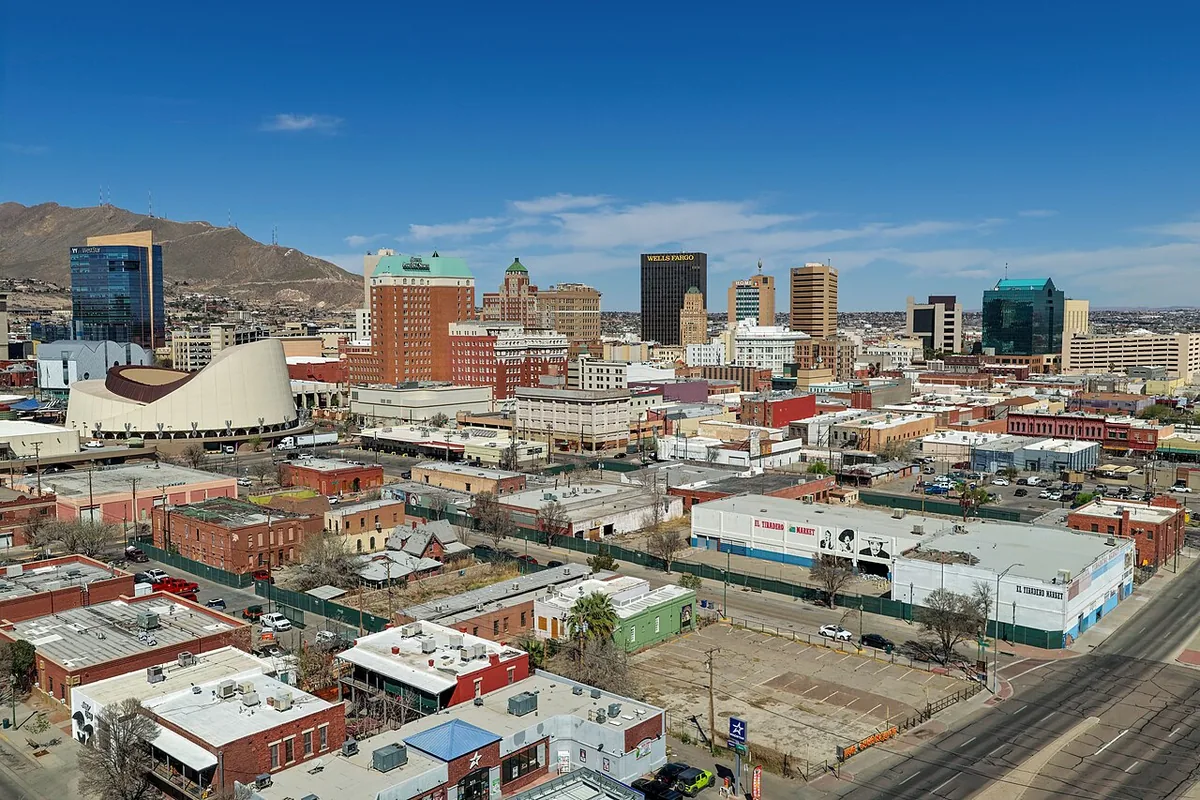
El Paso pairs a cost of living index of 81.9 — 18.1% below the national average — with a median home price around $255,000 as of mid-2025 and an economy anchored by Fort Bliss, the Army post that drives $6 billion in annual regional impact and more than 41,000 defense jobs. The city adds 297 days of sunshine a year, one of the highest totals of any American city, plus the Franklin Mountains rising directly out of the urban grid — 24,200 acres of state park inside the city limits. The honest trade-offs get equal treatment in this guide: a Walk Score of just 40, and a housing market that saw real volatility in late 2025. Whether you’re planning a permanent move, weighing a PCS (permanent change of station — a military move) to Fort Bliss, or visiting first to scout the city, here is everything on cost of living, jobs, neighborhoods, schools, safety, and things to do in the Sun City.
Quick Answer — Is El Paso Worth Moving To?
El Paso is one of the most affordable large cities in the American Southwest, with a cost of living index of 81.9 (18.1% below the national average) and a median home price around $255,000 as of mid-2025 — a fraction of what buyers pay in most Sun Belt metros. The economy rests on Fort Bliss, international trade with Ciudad Juárez, and a growing healthcare and manufacturing base, with unemployment at 4.2%. It’s an especially strong fit for military families stationed at Fort Bliss, bilingual professionals drawn to the bicultural U.S.-Mexico identity, and outdoor enthusiasts who want mountains inside city limits, though a Walk Score of 40 means a car is necessary for nearly all daily errands, and the border-city crime picture — while trending down — still needs an honest look neighborhood by neighborhood.
At a Glance: El Paso by the Numbers (2026)
| Metric | El Paso |
|---|---|
| Population | 681,723 (city); 875,784 (El Paso County) |
| Median home price | $255,000 |
| Cost of living index | 81.9 (U.S. avg = 100) |
| Median household income | $59,745 |
| Unemployment rate | 4.2% |
| Average commute | 23 minutes |
| Walk Score | 40/100 |
| Niche overall grade | B (estimated) |
| Crime index | 18 per 1,000 residents (1-in-56 chance) |
| School district grade | B+ (EPISD) |
| Average summer high | 96°F |
| Average winter low | 34°F |
| Annual sunshine days | 297 |
El Paso’s cost of living index of 81.9 means residents keep considerably more of a $59,745 median household income than they would in most large U.S. cities, according to BestPlaces.net (Sperling’s). The crime figure of 18 per 1,000 residents — a roughly 1-in-56 chance of being a crime victim in a given year, per NeighborhoodScout — reflects a border city that FBI data shows has lower violent crime than many comparable-size metros, with the rate declining 17% between 2023 and 2024.
Cost of Living in El Paso
El Paso’s cost of living index sits at 81.9 as of 2025 — meaning everyday life costs about 18% less than the national average, according to BestPlaces.net. Housing drives most of the savings: the median home price runs $255,000 to $265,000 (Zillow), well below the national median and among the most affordable in any large Southwestern city. The market isn’t perfectly calm, though — El Paso Times reported a Q4 2025 record high of $274,200, while Redfin showed prices easing back down by December. Rent for a one-bedroom apartment averages $950–$1,100/month, and a two-bedroom runs $1,100–$1,350/month. By category, BestPlaces puts El Paso groceries about 2.8% below the national average, utilities 8.1% below, and healthcare 8.2% below, while transportation runs roughly 1.2% above — housing is the standout at about 32% below average, as of 2025. Texas levies no state income tax (the state constitution prohibits one), so El Paso residents keep more of their paychecks; the trade-off is a comparatively high effective property tax rate of roughly 1.4–1.6% of home value, partly offset by a homestead exemption of $140,000 on school-district taxes as of 2025. Combined sales tax runs 8.25% (6.25% state plus local), as of 2026.
Housing Market Snapshot
El Paso’s median home price ran approximately $255,000–$265,000 through mid-2025, according to Zillow, before the El Paso Times reported a record $274,200 in the fourth quarter — a reminder that even a historically stable market can move quickly in a single quarter. Redfin data showed prices settling back down by December 2025. Conditions are balanced rather than tilted sharply toward buyers or sellers, with steady demand from Fort Bliss personnel, UTEP (University of Texas at El Paso) students and staff, and cross-border professionals. For military families arriving on PCS orders, the combination of low home prices and low rent means BAH (basic allowance for housing — the military’s monthly housing stipend) tends to stretch further here than in most other duty station cities.
---Jobs and Economy
El Paso’s economy runs on three pillars: military, international trade, and healthcare/education. Fort Bliss and the U.S. Army anchor the labor market with more than 41,000 defense jobs and a $6 billion annual economic impact, according to city and Army data. El Paso ISD, Socorro ISD, and Ysleta ISD together employ more than 19,000 people, making public education one of the region’s largest civilian employers. Las Palmas Del Sol Healthcare, University Medical Center of El Paso, and the University of Texas at El Paso round out the top employer list. The city’s border location makes it the fifth-largest manufacturing hub in North America, with $151.7 billion in U.S.-Mexico trade volume passing through in 2024 and more than 495 maquiladora (foreign-owned manufacturing plant) operations in the region. El Paso is also building a 250-acre Advanced Manufacturing District projected to add 17,000 jobs, backed by $40 million in federal aerospace and defense manufacturing funds. Unemployment sits at 4.2% as of 2024–2025 per the Bureau of Labor Statistics, and the city’s affordability is drawing a growing number of remote workers who can do their job from anywhere.
Neighborhoods in El Paso: Where to Live
El Paso’s neighborhoods range from historic, walkable enclaves near UTEP to upscale acreage along the Rio Grande, and the right fit depends largely on commute, budget, and whether mountain access matters to your daily life.
Kern Place is El Paso’s most iconic historic neighborhood, with tree-lined streets, preserved early-20th-century homes, and artisan coffee shops clustered near UTEP. Best for young professionals and history lovers who want walkable character over new construction, Kern Place trades square footage for authenticity and location.
Mission Hills sits near Franklin Mountains State Park, close to the Tom Mays Park trailhead, with a mix of established and newer homes in a family-friendly setting. Best for outdoor enthusiasts who want trail access without leaving the city, Mission Hills puts hiking and mountain biking within a short drive of home.
Cielo Vista occupies a central, eastside location with affordable, growing residential development near the Cielo Vista Mall retail corridor. Best for first-time buyers and young families, Cielo Vista offers some of the city’s most accessible entry-level pricing.
Upper Valley (West Side) runs upscale and spacious along the Rio Grande, with an agricultural character that includes horse properties, the city’s best schools, and its lowest crime. Best for families and retirees seeking premium living, Upper Valley commands El Paso’s highest price points in exchange for space and safety.
For additional options near El Paso, see our guides to Las Cruces, Albuquerque, and Tucson.
---Schools, Safety, and Quality of Life
Schools: El Paso Independent School District (EPISD) holds a B+ grade from Niche.com, an improvement driven by the Texas Education Agency (TEA) raising the district’s official rating from a C to a B in 2025. Socorro ISD and Ysleta ISD are also trending upward, according to TEA’s 2025 accountability ratings. The University of Texas at El Paso (UTEP) anchors the city’s higher-education options and serves as a growing research institution. For adult learners — including military spouses and transitioning service members — El Paso Community College (EPCC) serves more than 26,000 students across five campuses (plus a Fort Bliss site and online) and offers over 130 academic programs alongside 350-plus continuing-education and personal-enrichment courses; EPCC and UTEP also run reverse-transfer and auto-graduation agreements that smooth the community-college-to-university path, as of the 2025–2026 school year.
Safety: El Paso’s crime picture is best described as moderate for a large border city. NeighborhoodScout puts the overall rate at 18 crimes per 1,000 residents — a 1-in-56 chance in a given year — with motor vehicle theft the most elevated category. FBI Uniform Crime Report data for 2024 shows a violent crime rate of 278 per 100,000 residents, down 17% from 336 per 100,000 in 2023, and El Paso consistently reports lower violent crime than comparably sized metro areas despite its border location. Upper Valley reports the city’s lowest crime, giving safety-focused families a clear neighborhood target. As with any city, researching specific streets and zip codes before committing to an address is worth the time.
Quality of Life: Las Palmas Medical Center and Del Sol Medical Center, both HCA Healthcare facilities, earned a spot in Healthgrades’ America’s 250 Best Hospitals (top 5% nationally) and rank #1 in Texas for critical care and gastrointestinal care as of 2026, per Healthgrades. University Medical Center of El Paso serves as the region’s Level I trauma center, and El Paso Children’s Hospital handles pediatric specialty care; patients needing complex oncology or transplant care typically travel to San Antonio or Houston. The pace of life is shaped by El Paso’s bicultural identity — bilingual, family-oriented, and deeply connected to Chihuahuan Desert and Mexican traditions, with a median age of 34.5 that skews younger than the national average.
Climate and Weather in El Paso
El Paso has a warm desert climate and ranks among the sunniest cities in the country, with 297 sunshine days a year, according to BestPlaces.net. Summers are hot — June’s average high reaches 96°F — but low humidity makes the heat more tolerable than in humid-climate cities of similar temperature. Winters are mild by comparison, with December days averaging a 57°F high, though nights drop to around 34°F. Snow is rare, totaling roughly 3 inches a year. Spring brings dust storms known locally as haboobs, and the July–September monsoon season delivers brief but intense afternoon thunderstorms with some flash-flooding risk in the city’s arroyos (dry creek beds that can fill fast during storms). For homebuyers, El Paso’s near-constant sunshine and mild winters are a genuine quality-of-life asset, though monsoon-season drainage patterns are worth checking before buying in low-lying areas.
Getting In and Out of El Paso
El Paso International Airport (ELP) sits about 4–6 miles northeast of downtown — roughly a 10-minute drive — just north of Interstate 10 at the Airway Boulevard exit, as of 2026. Interstate 10 is the city’s main highway artery, running east–west through El Paso toward Las Cruces on the New Mexico side and San Antonio far to the east, with US-54 (the Patriot Freeway) and Loop 375 carrying much of the cross-town traffic. What the data does confirm: El Paso has no commuter rail service. Sun Metro’s citywide bus network, together with the free 4.8-mile El Paso Streetcar connecting downtown to UTEP, covers most in-town travel, but a car remains the most reliable way to reach the airport and travel beyond the urban core — a real consideration for Fort Bliss families managing a PCS, frequent flyers, and visiting relatives.
Things to Do in El Paso: Top Attractions and Day Trips
El Paso’s leisure identity is built on desert wilderness inside the city limits, centuries of border history, and some of the most authentic Mexican and New Mexican food in the country. Whether you’re into hiking, ancient rock art, live theater, or cross-border day trips, El Paso delivers a leisure calendar unlike any other Texas city.
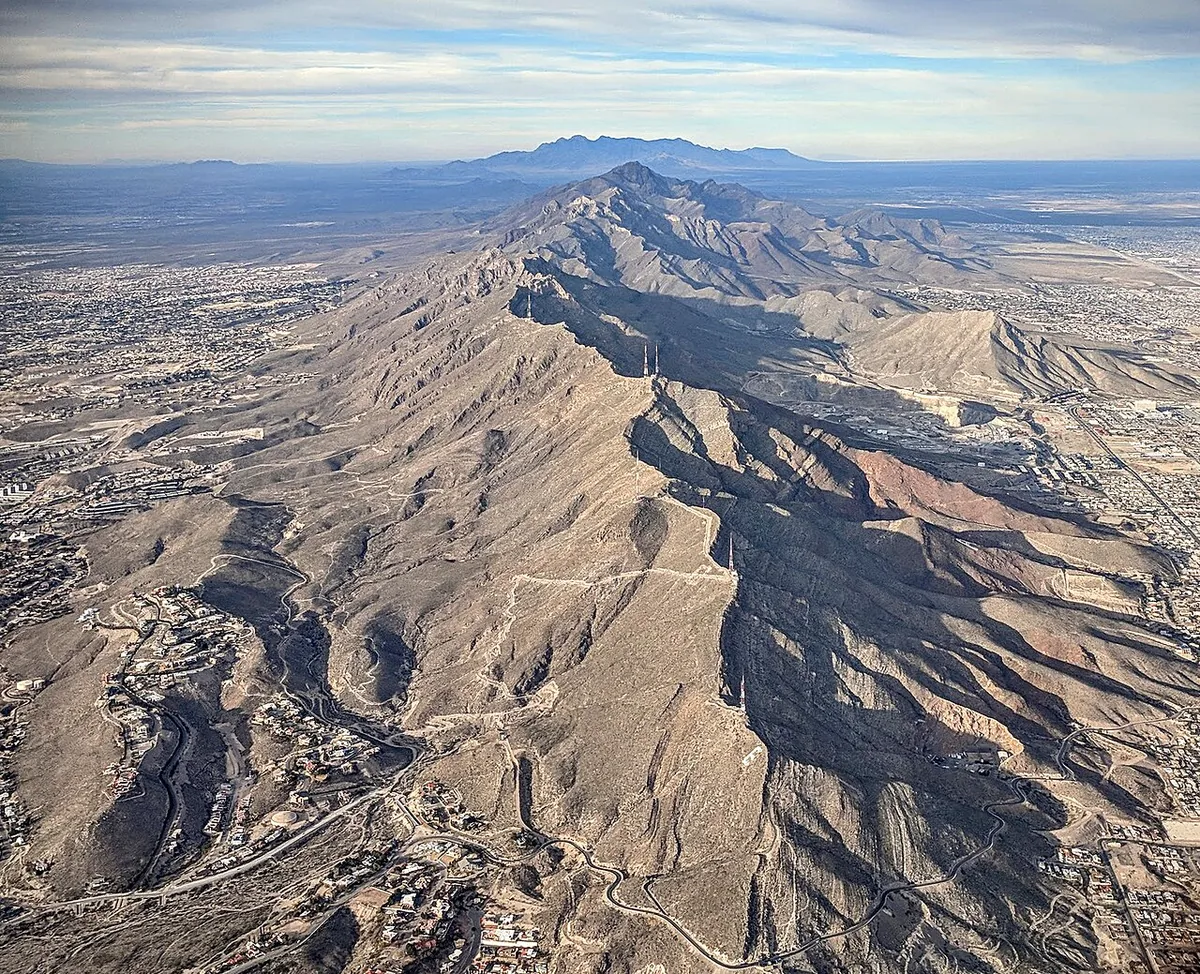
- Franklin Mountains State Park — At 24,200 acres entirely within city limits, this is the world’s largest urban wilderness park, with more than 100 miles of trails for hiking and mountain biking plus world-class rock climbing. Five access points spread across the city put trailheads within reach of most neighborhoods. A daily parking fee applies, with annual passes available for regular visitors.
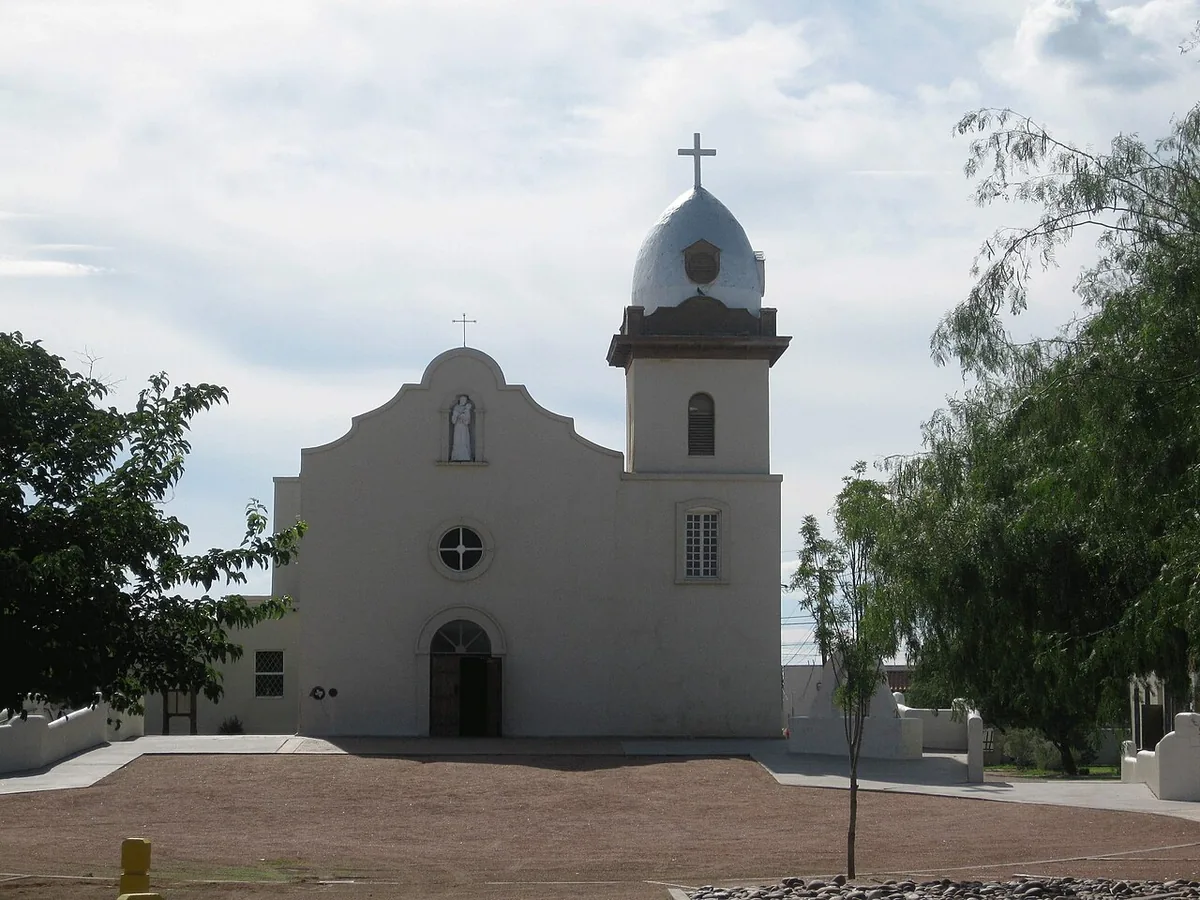
- El Paso Mission Trail — Two 17th-century Spanish Colonial missions, including Ysleta Mission (built 1682, the oldest continuously operating parish in Texas), plus the Socorro Mission and San Elizario Chapel, remain active parish communities today. Free to visit, the trail carries genuine historical weight for anyone interested in the region’s Spanish Colonial roots.
-
Hueco Tanks State Park & Historic Site — Home to more than 3,000 ancient Native American pictographs and internationally renowned bouldering, with 1,000-plus documented boulder problems. Entry is by timed reservation only, and advance booking is strongly recommended given limited daily capacity. About 35 miles east of downtown.
-
Plaza Theatre — Opened in 1930 and designated a National Historic Landmark, the Plaza Theatre’s Moorish and Spanish Colonial Revival interior hosts more than 120 events a year, from Broadway touring shows to concerts and comedy. It’s El Paso’s crown-jewel performing arts venue and a strong pick for a first night out.
-
El Paso Museum of Art — A free admission policy makes this an easy addition to any visit, with a collection spanning regional and international works. A solid choice for a rainy or high-heat afternoon when outdoor plans aren’t practical.
Day Trips: El Paso’s location gives residents access to two of the Southwest’s most distinctive national parks. White Sands National Park, New Mexico, sits about 90 miles away — roughly 1.5 hours by car — and holds the world’s largest gypsum sand dune field, a genuinely otherworldly landscape good for sledding, hiking, and ranger-led programs (entry fee about $25 per vehicle). Carlsbad Caverns National Park, New Mexico, is about 150 miles and 2 hours away, with a massive underground cave system and a famous summer bat flight at sunset (advance timed-entry required; about $15 per person). Ciudad Juárez, Mexico, sits just across the Rio Grande — about a 30-minute crossing — offering vibrant markets, authentic cuisine, and craft shopping; a passport is required, and crossing during daylight hours on foot or via the Stanton Street Bridge is the recommended approach.
---Moving to El Paso: Your 90-Day Checklist
90–60 days before:
- Research neighborhoods and set a housing budget using Zillow or Realtor.com — prioritize Upper Valley or Mission Hills if low crime and outdoor access top your list
- Get at least three moving company quotes (PODS, Allied, HireAHelper, or local movers)
- Research school enrollment deadlines if you have children — EPISD, Socorro ISD, and Ysleta ISD each have their own timelines
- Review Texas’s tax structure before finalizing your budget — no state income tax, but effective property taxes run roughly 1.4–1.6% of home value and combined sales tax is 8.25%
- Begin decluttering — book a self-storage unit if needed
60–30 days before: 6. Confirm moving company and lock in dates 7. Transfer medical and dental records; find new providers — Las Palmas Del Sol Healthcare and University Medical Center both have extensive networks 8. Notify employer, bank, and subscriptions of address change 9. Research utility providers in El Paso and set up accounts 10. Arrange short-term lodging if permanent housing won’t be ready immediately — Fort Bliss families should contact on-post housing early
First 30 days after arrival: 11. Transfer driver’s license and vehicle registration to Texas 12. Register to vote at new address 13. Explore Franklin Mountains State Park and the Mission Trail on foot — understanding El Paso’s desert geography is key to settling in 14. Join local Facebook groups or Nextdoor for your neighborhood 15. File change of address with USPS if not already done
---Frequently Asked Questions About Living in El Paso
Q: Is El Paso a good place to live? A: El Paso earns an estimated B grade overall (based on EPISD’s B+ Niche rating and neighborhood-level data), and it’s a genuinely affordable, sunny, bicultural city with mountains inside the city limits. Its strongest advantages are a cost of living 18.1% below the national average and 297 days of annual sunshine. The honest trade-off is a Walk Score of just 40, meaning a car is necessary for nearly all daily life.
Q: What is the cost of living in El Paso? A: El Paso’s cost of living index is 81.9 as of 2025 (U.S. average = 100), making it about 18% cheaper than the national average. The median home price runs $255,000 to $265,000, with a Q4 2025 record high of $274,200 reported by the El Paso Times — still well below most large Southwestern cities.
Q: Is El Paso safe? A: El Paso’s crime rate runs about 18 per 1,000 residents (a 1-in-56 chance in a given year, per NeighborhoodScout), and FBI data shows violent crime at 278 per 100,000 residents in 2024 — down 17% from 2023. As a border city, El Paso consistently reports lower violent crime than many comparably sized metros. Upper Valley reports the city’s lowest crime rate.
Q: What are the best neighborhoods in El Paso? A: Kern Place offers historic character near UTEP for young professionals. Mission Hills puts Franklin Mountains trail access at your doorstep for outdoor enthusiasts. Upper Valley delivers the city’s best schools and lowest crime for families and retirees willing to pay a premium.
Q: What is the job market like in El Paso? A: El Paso’s unemployment rate was 4.2% as of 2024–2025. The job market is anchored by Fort Bliss (41,000+ defense jobs, $6 billion annual impact), the region’s EPISD/SISD/YISD school districts, Las Palmas Del Sol Healthcare, University Medical Center, and UTEP. International trade and manufacturing are growing sectors, backed by a planned 250-acre Advanced Manufacturing District projected to add 17,000 jobs.
Q: How far is El Paso from other major cities? A: El Paso sits in the far western corner of Texas, farther from the state’s big metros than many expect: San Antonio is about 552 miles (roughly 8 hours by car), Dallas about 635 miles (9 hours), and Houston about 747 miles (10.5 hours), as of 2026. Its nearest notable neighbors are actually out of state — Las Cruces, New Mexico (about 45 minutes northwest), Albuquerque, New Mexico, and Tucson, Arizona.
El Paso vs. Nearby Cities
El Paso (cost of living index 81.9, median home about $255,000) is one of the most affordable large cities in its region. Las Cruces, New Mexico — about an hour up I-10 — carries a cost of living roughly 15–20% below the national average but a higher median sale price near $285,000–$305,000 as of 2026. Albuquerque runs closer to the national average (cost of living index around 102, about 2% above) with higher home prices still. Tucson, Arizona sits a few percent below the national average overall but with a markedly pricier housing market — a typical home value around $326,000 as of mid-2026. Across the board, El Paso’s Fort Bliss-anchored economy and border-trade position give it both a lower housing entry point and an economic profile distinct from any of its regional neighbors. For full profiles of these cities, see our guides to Las Cruces, Albuquerque, and Tucson.
Sources and Data Notes
Data in this article is drawn from the following sources, primarily covering 2024–2025: U.S. Census Bureau (population), Zillow / El Paso Times / Norada Real Estate (housing market), BestPlaces.net / Sperling’s (cost of living, climate), DataUSA / Bureau of Labor Statistics (commute, unemployment, income), Niche.com and the Texas Education Agency (school and city grades), NeighborhoodScout and FBI Uniform Crime Reports (crime data), Walk Score (walkability), the City of El Paso Economic & International Development Department (employer data), Healthgrades (hospital rankings), and Sun Metro / Visit El Paso (transit and attractions). Data reflects conditions as of 2025 unless otherwise noted.