
Living in Austin, TX: The Complete 2026 Relocation and Visitor Guide
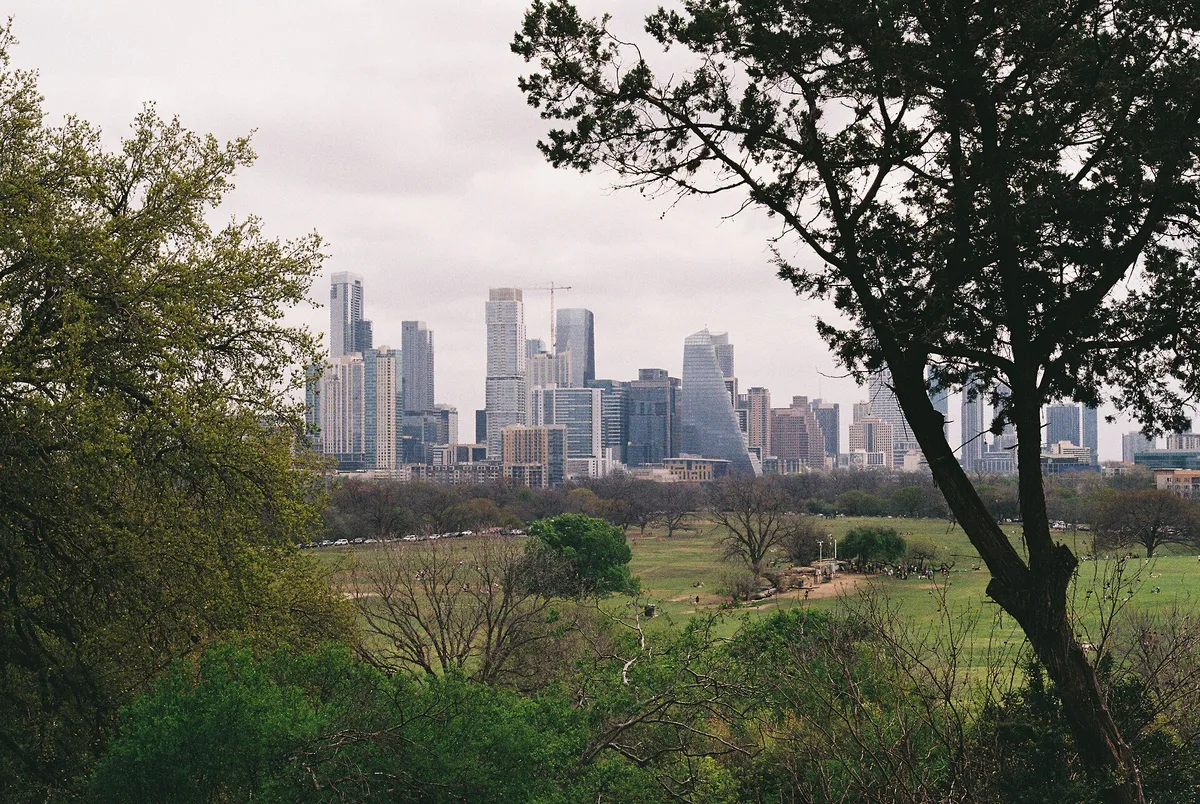
Austin combines a nationally competitive tech job market — Apple, Tesla, 3.2% unemployment as of 2025 — with zero state income tax, a pairing that can add $4,000–$6,000 a year to take-home pay versus high-tax coastal metros. The catch arrived with the boom: a cost of living index of 122 and median home prices around $530,000 mean the Texas capital is no longer anyone’s budget alternative. Add 97°F average summer highs and a car-dependent layout, and Austin rewards the people who can capture its economic upside — tech professionals, entrepreneurs, remote workers — more than those chasing its old cheap-and-quirky reputation. This guide gives you the full picture, from housing and schools to the live music and breakfast tacos that made the city’s name.
Quick Answer — Is Austin Worth Moving To?
Austin’s single strongest advantage is the combination of a nationally competitive tech job market and Texas’s complete absence of a state income tax, which together can meaningfully increase your take-home pay compared to high-tax coastal metros. The realistic challenge is cost: with a cost of living index of 122 and median home prices around $530,000, Austin is no longer the affordable alternative it once was. It’s best suited for tech professionals, entrepreneurs, and remote workers who can leverage the economic upside — and who don’t mind brutal summers. Families willing to explore suburban options like Westlake Hills will find excellent schools and a high quality of life.
At a Glance: Austin by the Numbers (2025)
| Metric | Austin |
|---|---|
| Population | 978,908 (city); 2.4M (metro) |
| Median home price | $530,000 |
| Cost of living index | 122 (U.S. avg = 100) |
| Median household income | $81,400 |
| Unemployment rate | 3.2% |
| Average commute | 27 minutes |
| Walk Score | 42/100 |
| Niche overall grade | A |
| Crime index | 175 (U.S. avg = 100; lower = safer) |
| School district grade | B+ |
| Average summer high | 97°F |
| Average winter low | 41°F |
| Annual sunshine days | 228 |
These numbers tell an honest story: Austin is a high-performing, high-cost city with a strong job market and a climate that demands respect. The Walk Score of 42 reflects a city still largely built around the car, though inner neighborhoods like South Congress and East Austin skew significantly higher.
Cost of Living in Austin
As of 2025, Austin’s cost of living index sits at 122 — meaning residents pay roughly 22% more than the national average for everyday expenses. Housing is the primary driver: median home prices hover around $530,000 for the metro, and the city proper runs even higher. Groceries and healthcare track closer to the national average, while utilities can spike sharply in summer months when air conditioning runs nearly around the clock. Transportation costs are moderate if you own a car, though the lack of robust public transit means most residents do. The good news — and it’s significant — is that Texas levies no state income tax. For a household earning $81,400, that can mean $4,000–$6,000 in annual savings compared to a state like California or New York, partially offsetting the higher cost of goods and housing. When benchmarked against West Coast tech hubs, Austin still offers real financial value, even if its days as a budget-friendly city are behind it. Data sources include the U.S. Census Bureau ACS (2024), BLS (2025), and Sperling’s BestPlaces Cost of Living Index.
Housing Market Snapshot
The Austin housing market has cooled considerably from its frenzied 2022 peak, when bidding wars and all-cash offers were the norm. As of 2025, the median home price in the metro sits near $530,000, with the city proper closer to $550,000 according to Zillow and Realtor.com data. Renters will find one-bedroom apartments averaging around $1,600 per month and two-bedrooms near $2,100 — down from pandemic-era highs. Inventory has improved, giving buyers more negotiating room, and days-on-market have stretched compared to 2021–2022. It’s a more balanced market, but it is not a cheap one.
## Jobs and EconomyAustin’s economy as of 2025 is one of the most dynamic in the Sun Belt, anchored by a tech sector so dense it earned the nickname “Silicon Hills.” Dell Technologies maintains its global headquarters here, while Apple, Tesla, and a host of semiconductor and gaming companies have established major campuses in and around the city. The University of Texas at Austin and St. David’s HealthCare round out the top employer list, ensuring the economy isn’t entirely dependent on one sector. The unemployment rate stands at 3.2% — below the national average — and the median household income of $81,400 reflects a workforce skewed toward knowledge-economy jobs. Beyond the major employers, Austin has a vibrant startup ecosystem supported by active venture capital networks and accelerators. Remote workers have also flooded in, drawn by the tax advantages and lifestyle, and most employers in the area have embraced hybrid arrangements. Add the absence of a state income tax and you have a compelling financial case for relocating here professionally. Bureau of Labor Statistics data from 2025 supports the employment figures cited above.
Neighborhoods in Austin: Where to Live
Austin’s neighborhoods vary dramatically in character, price point, and lifestyle — choosing the right one can make or break your experience in the city. Here’s a breakdown of four areas worth knowing.
-
South Congress (SoCo): South Congress Avenue is Austin’s most iconic neighborhood strip — bohemian, walkable by Austin standards, and packed with vintage shops, food trailers, and independently owned restaurants. It attracts young creatives, artists, and longtime locals who prize individuality over polish. Housing here leans toward bungalows, small apartments, and converted properties. Rents and purchase prices are above average for Austin, reflecting the area’s desirability. If you want character and culture within biking distance of downtown, SoCo delivers.
-
East Austin: Once one of Austin’s most economically marginalized communities, East Austin has undergone rapid gentrification over the past decade — a process that’s brought murals, coffee shops, and craft cocktail bars alongside rising rents and displacement concerns. It remains the most culturally diverse and artistically active part of the city, with a mix of historic bungalows, new condos, and lively restaurant rows. It’s the go-to landing zone for young professionals who want energy, walkability, and a sense that the city is still becoming something.
-
The Domain/North Austin: If East Austin is scrappy and creative, the Domain corridor is polished and corporate — intentionally so. This upscale mixed-use district sits at the heart of Austin’s tech employment corridor, surrounded by new apartment complexes and name-brand retailers. It’s the most practical choice for tech workers who want to minimize commute time, and the amenities are genuinely excellent. The trade-off is a certain suburban sameness that doesn’t feel particularly “Austin.”
-
Westlake Hills: Located southwest of downtown across the Colorado River, Westlake Hills is one of the most affluent enclaves in the Austin area — and one of the most family-friendly. It offers top-rated public schools, quiet streets lined with single-family homes, and lower crime rates than the urban core. The price of entry is steep, with home prices well above the metro median, but families who prioritize schools and safety consistently rate it among the best places to live in Texas.
Austin is also within easy reach of several significant Texas cities: San Antonio is 80 miles south, Dallas is roughly 195 miles north, and Houston sits about 165 miles to the east — all accessible for weekend trips or professional networking.
## Schools, Safety, and Quality of LifeSchools: Austin Independent School District (Austin ISD) earns a B+ grade from Niche as of 2025, reflecting solid overall performance with notable variation between campuses. Standout schools include Liberal Arts and Science Academy (LASA) and Ann Richards School for Young Women Leaders, both of which are nationally recognized. For higher education, the University of Texas at Austin is a flagship research institution of genuine national standing, and St. Edward’s University offers a smaller liberal arts experience south of the river. Families prioritizing K–12 education often look beyond Austin ISD to suburban districts like Eanes ISD (which serves Westlake Hills) or Round Rock ISD, both of which rank among the best in Texas.
Safety: Austin’s crime index of 175 — against a U.S. average of 100 — indicates elevated overall crime, driven primarily by property crime: vehicle break-ins, theft, and catalytic converter theft are common complaints, particularly in denser urban neighborhoods. The more encouraging data point is that violent crime has been on a declining trend in recent years, according to FBI Uniform Crime Reports. Outer neighborhoods and suburbs consistently report lower crime rates than the urban core, and most residents describe feeling safe in their daily routines.
Quality of Life: Austin’s quality-of-life picture is genuinely strong in most dimensions. Ascension Seton and St. David’s HealthCare anchor a robust hospital network, and the city has invested in expanding its public transit options — though a car remains nearly essential for most residents. Outdoor culture is central to Austin’s identity: the greenbelt, Lady Bird Lake, and Barton Springs Pool give residents access to nature in the middle of a major city. The “Keep Austin Weird” ethos, while somewhat commercialized, reflects a genuine local commitment to independent businesses, live music, and individual expression that still sets the city apart.
Climate and Weather in Austin
Austin gets a lot of sunshine — 228 days per year, according to NOAA data — but it extracts a price in the summer. Average high temperatures reach 97°F in July and August, and stretches above 100°F are common. If you’re relocating from a milder climate, the adjustment takes at least one full summer to fully appreciate. Winters are mild by most standards, with average lows around 41°F from December through February, but the region is vulnerable to rare but catastrophic ice storms. Winter Storm Uri in February 2021 left millions without power for days and exposed significant infrastructure vulnerabilities that the state has worked — with mixed results — to address. Flooding is also a periodic risk, particularly in low-lying areas near the Colorado River and its tributaries. WeatherSpark and NOAA data underpin the climate figures cited here.
Things to Do in Austin: Top Attractions and Day Trips
Austin punches well above its weight as a destination city. As the self-declared Live Music Capital of the World, it offers more live music venues per capita than almost anywhere in the country, complemented by a food scene built on breakfast tacos, barbecue, and international cuisine, and an outdoor culture anchored by rivers, trails, and a warm (if intense) climate.
-
Sixth Street Entertainment District: Sixth Street is Austin’s most famous nightlife corridor — a stretch of historic buildings transformed into bars, clubs, and music venues that collectively represent the city’s soul after dark. On weekend nights, the street closes to car traffic and becomes a pedestrian scene unlike anything else in Texas. From honky-tonk to hip-hop to blues, virtually every genre finds a home here. It’s loud, crowded, and genuinely fun — a rite of passage for any new Austinite.
-
Barton Springs Pool: Carved into Zilker Park along Barton Creek, Barton Springs Pool is a three-acre natural swimming hole fed by underground springs that maintain a consistent temperature of around 68°F year-round. On a 102-degree August afternoon, it is nothing short of miraculous. The pool is one of Austin’s most beloved institutions — free or low-cost, family-friendly, and genuinely refreshing in a city that needs it. It’s also a gathering place for the full diversity of Austin’s community.
-
South Congress Avenue: Beyond being a neighborhood, South Congress Avenue itself is one of Austin’s premier destinations for shopping, eating, and people-watching. Food trailers cluster along its side streets, vintage boutiques occupy historic storefronts, and murals cover nearly every available wall. The stretch between the river and Ben White Boulevard is walkable, colorful, and deeply local in feel — one of the areas that most convincingly earns the “Keep Austin Weird” tagline.
-
Lady Bird Lake Hike & Bike Trail: The Ann and Roy Butler Hike-and-Bike Trail circles Lady Bird Lake for roughly 10 miles through the heart of the city, offering kayaking, paddleboarding, jogging, and cycling with downtown skyline views throughout. It’s free, accessible from multiple entry points, and used year-round by a cross-section of Austin residents. Kayak and SUP rentals are available along the shoreline for those who want to get on the water.
-
The Domain: Austin’s upscale outdoor shopping and entertainment district in North Austin brings together high-end retail, restaurants, a hotel, and regular public events in a walkable, well-designed complex. It’s more polished than the rest of Austin — critics would say sterile — but as a family-friendly destination with excellent dining options and regular programming, it fills a real need and draws consistent crowds.
Day Trips from Austin: San Antonio is an easy 80-mile drive south (about 1.5 hours), offering the River Walk, the Alamo, and a rich culinary scene. To the west, Fredericksburg and the Texas Hill Country are also about 1.5 hours away and reward visitors with wineries, wildflower season in spring, and genuinely beautiful landscape. Houston, the largest city in Texas, is roughly 165 miles east — a 2.5-hour drive that opens up the Space Center, world-class museums, and one of the most diverse food cities in America.
## Moving to Austin: Your 90-Day Checklist90–60 days before:
- Research neighborhoods and set housing budget using Zillow or Realtor.com
- Get at least three moving company quotes (PODS, Allied, HireAHelper, or local movers)
- Research school enrollment deadlines if you have children
- Note Texas has no state income tax — factor this into your budget planning
- Begin decluttering — book a self-storage unit if needed
60–30 days before: 6. Confirm moving company and lock in dates 7. Transfer medical and dental records; find new providers in Austin 8. Notify employer, bank, and subscriptions of address change 9. Research utility providers in Austin (Austin Energy, Atmos Energy) and set up accounts 10. Arrange short-term lodging if permanent housing won’t be ready immediately
First 30 days after arrival: 11. Transfer driver’s license and vehicle registration to Texas 12. Register to vote at new address 13. Explore your neighborhood on foot using the attractions section above 14. Join local Facebook groups or Nextdoor for your neighborhood 15. File change of address with USPS if not already done
## Frequently Asked Questions About Living in AustinQ: Is Austin a good place to live? A: Austin earns an A overall grade from Niche as of 2025, and for many residents it lives up to that rating. The combination of a strong tech job market, no state income tax, genuine cultural vitality, and outdoor recreation options makes it one of the most well-rounded major cities in the South. The honest trade-offs are the cost of living — 22% above the national average — and summers that are genuinely punishing for anyone not accustomed to sustained triple-digit heat.
Q: What is the cost of living in Austin? A: Austin’s cost of living index of 122 means residents pay roughly 22% more than the national average, driven primarily by housing costs. As of 2025, median home prices in the metro are around $530,000, and rents for a two-bedroom apartment average about $2,100 per month. The significant offset is Texas’s complete absence of a state income tax, which can save higher earners several thousand dollars annually compared to states like California, New York, or Illinois.
Q: Is Austin safe? A: Austin’s crime index of 175 is elevated relative to the national average of 100, and property crime — particularly vehicle break-ins and theft — is a real concern in denser urban neighborhoods. The better news is that violent crime has been on a declining trend, according to FBI Uniform Crime Report data. Safety varies considerably by neighborhood: outer areas and suburbs like Westlake Hills report crime rates well below the city average, and most residents don’t feel unsafe in their day-to-day lives.
Q: What are the best neighborhoods in Austin? A: South Congress (SoCo) is the top pick for artists and young creatives who want walkability and character. East Austin is the go-to for young professionals who want energy, diversity, and proximity to the city’s arts scene. The Domain and North Austin corridor suits tech workers who prioritize convenience and modern amenities. Westlake Hills is consistently the best choice for families, offering top-rated schools and a quieter suburban environment.
Q: What is the job market like in Austin? A: Austin’s job market is one of its strongest selling points, with an unemployment rate of 3.2% as of 2025 and a tech sector anchored by Dell Technologies, Apple, Tesla, and dozens of fast-growing startups. The city has become a genuine hub for semiconductor, gaming, and electric vehicle manufacturing investment. The no-state-income-tax environment attracts both employers and employees, and the remote-work boom has made Austin an increasingly popular base for distributed workers with no geographic constraints.
Q: How far is Austin from San Antonio? A: San Antonio is approximately 80 miles south of Austin via I-35, a drive that typically takes around 1.5 hours depending on traffic. The two cities are connected by one of the most traveled highway corridors in Texas, and the trip is practical for day trips, weekend visits, or even a commute for those willing to make it. There is currently no direct passenger rail service between the two cities, making personal vehicle transportation the primary option.
Austin vs. Nearby Cities
Compared to San Antonio, Austin is significantly more expensive and more tech-focused, while San Antonio offers lower housing costs, a richer historical identity, and a larger Hispanic cultural presence. Against Dallas, Austin feels smaller and more character-driven — Dallas has more corporate headquarters and a broader economy, but Austin outcompetes it on startup culture and livability scores. Houston is larger and more diverse than Austin in both population and industry, with lower housing costs and a globally significant energy sector, but it trades Austin’s hill country access for a flat, sprawling layout and higher humidity. For a deeper comparison, see our full guides at /states/texas/, /cities/texas/san-antonio/, and /cities/texas/dallas/.
Sources and Data Notes
Data for this guide was drawn from the U.S. Census Bureau American Community Survey (2024), Bureau of Labor Statistics (2025), Niche.com, BestPlaces.net/Sperling’s Cost of Living Index, FBI Uniform Crime Reports, WeatherSpark, Walk Score, and Zillow/Realtor.com. Statistics reflect 2024–2025 data where available.