
Living in Clarksville, TN: The Complete 2026 Relocation and Visitor Guide
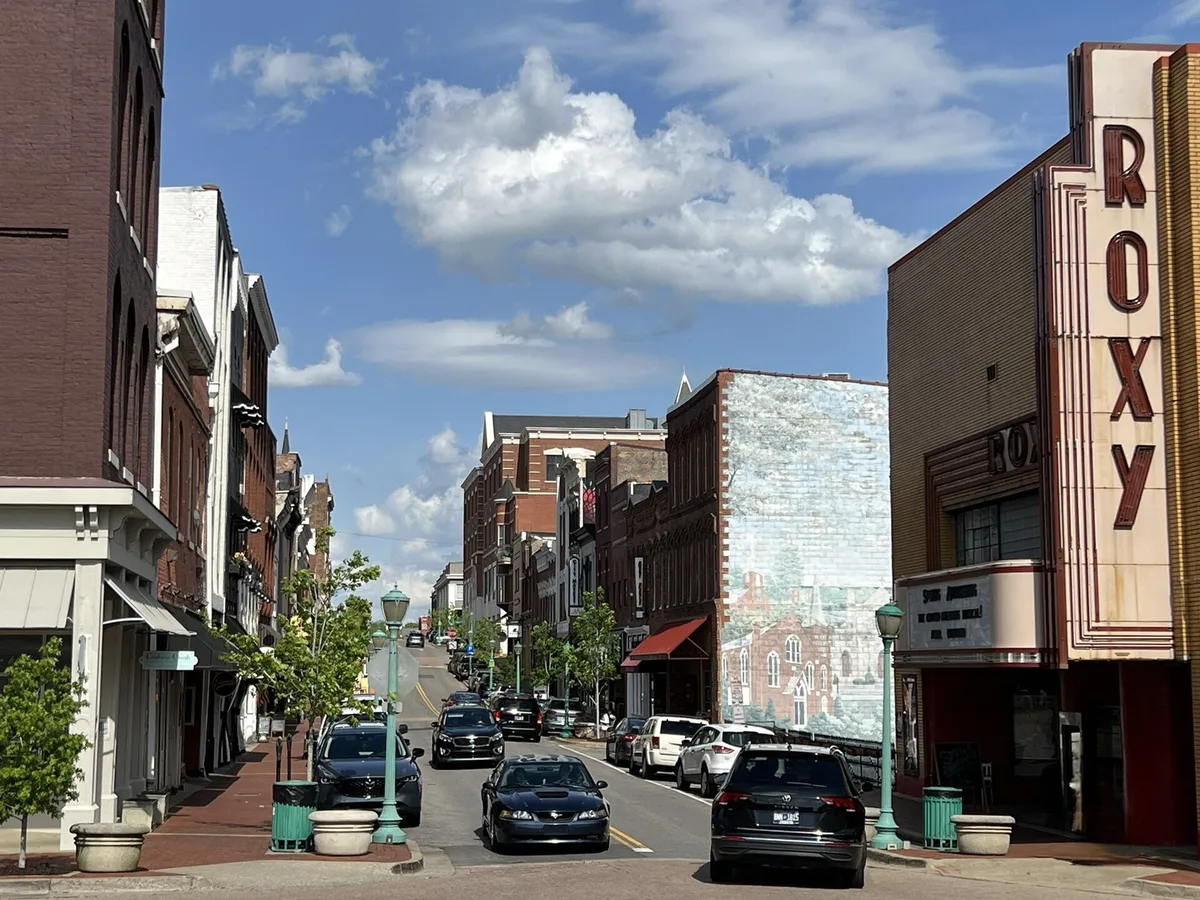
Clarksville costs about 7% less than the national average to live in — median home $315,000 as of 2025 — while sitting 45 miles northwest of Nashville and next door to Fort Campbell, home of the 101st Airborne Division. That combination has made it Tennessee’s fifth-largest and one of its fastest-growing cities, at roughly 186,000 people. Beyond the military anchor, the city has built a revitalized downtown arts scene, a craft brewery culture, and 30 miles of greenways along the Cumberland and Red Rivers. For military families assigned to Fort Campbell, veterans, and Nashville workers priced out of the metro, this guide covers the full 2025 picture — including the trade-offs: crime modestly above average, B- schools, humid summers, and a car-dependent layout.
Quick Answer — Is Clarksville Worth Moving To?
Clarksville offers a compelling combination of affordability (cost of living about 7% below the national average), a booming economy anchored by Fort Campbell and a growing industrial base, and Nashville within comfortable driving distance for big-city experiences. The median home price of approximately $315,000 as of 2025 reflects a market that’s appreciating — up nearly 5% year-over-year — but still dramatically more affordable than Nashville. It’s an especially strong fit for military families assigned to Fort Campbell, veterans and defense-adjacent workers, and Nashville-area workers priced out of the metro. The honest trade-offs include a crime rate modestly above the national average, schools that are above average for a military community but not standout, hot and humid summers, and a car-dependent layout requiring a vehicle for most errands.
At a Glance: Clarksville by the Numbers (2025)
| Metric | Clarksville |
|---|---|
| Population | 186,404 |
| Median home price | $315,000 |
| Cost of living index | 93 (U.S. avg = 100) |
| Median household income | $63,723 |
| Unemployment rate | 6.5% |
| Average commute | 21 minutes |
| Walk Score | 33/100 |
| Niche overall grade | B- |
| Crime index | 122 (U.S. avg = 100; lower = safer) |
| School district grade | B- (Montgomery County Schools) |
| Average summer high | 90°F |
| Average winter low | 32°F |
| Annual sunshine days | 210 |
Clarksville’s median household income of $63,723 reflects a military-shaped workforce with many young families in the early stages of both their military and financial journeys. Tennessee has no state income tax on wages or salaries — a meaningful financial advantage that effectively increases take-home pay compared to most peer states. The 210 annual sunshine days is solidly above the national average of 205, reflecting Middle Tennessee’s generally favorable climate.
Cost of Living in Clarksville
Clarksville’s cost of living runs about 7% below the national average, according to BestPlaces.net and local market data — placing it among the more affordable mid-size cities in the Southeast. Housing provides the primary savings: the median home price of $315,000 is approximately 25% below the national median while offering new construction quality and more square footage than comparable investments in larger markets. Groceries run close to the national average, utilities are modestly above average due to Tennessee’s climate extremes, and healthcare is roughly at parity. Transportation costs are real: Clarksville is a car-dependent city where a personal vehicle is a practical necessity, so vehicle ownership and fuel should be factored into budget planning. Tennessee has no state income tax on earned income — a significant ongoing financial advantage that adds several thousand dollars of annual take-home pay compared to states with 4–7% income tax rates.
Housing Market Snapshot
Clarksville’s median home price was approximately $315,000 as of early 2026, up about 5% year-over-year — steady appreciation driven by population growth, Fort Campbell’s ongoing mission expansion, and spillover from the Nashville market’s affordability pressure. Median rent for a one-bedroom runs approximately $1,000–$1,200/month, and a two-bedroom averages $1,200–$1,450/month, according to local market data and Zillow. The strong and consistent demand from rotating military families provides market stability even during broader economic slowdowns, making Clarksville a historically resilient housing market.
---Jobs and Economy
Fort Campbell — home of the 101st Airborne Division (Air Assault) and located precisely on the Tennessee-Kentucky border — is the largest single-site employer in both states, with approximately 30,100 active-duty soldiers and more than 8,500 civilian and contractor employees. The installation’s presence creates an economic foundation that is uniquely resistant to recessions, and its recent mission expansions have increased staffing levels. Beyond the military, Clarksville has diversified its economic base significantly. Hankook Tire’s North American headquarters and manufacturing plant employs approximately 2,100 people and represents a major industrial commitment to the city. Trane Technologies (formerly Ingersoll Rand) operates one of its largest manufacturing facilities here. Google operates a significant data center in the region, signaling technology sector confidence in Clarksville’s infrastructure. The Clarksville-Montgomery County School System — with 5,100 employees — is a major anchor employer in the education sector. In total, the city hosts 53 manufacturing facilities. Tennessee’s zero income tax on wages adds meaningful take-home pay for all Clarksville workers. The unemployment rate of approximately 6.5% as of 2025 runs above the national average, likely reflecting seasonal patterns and the military community’s unique employment dynamics, including non-working military spouses and soldiers in training status.
Neighborhoods in Clarksville: Where to Live
Clarksville’s residential landscape ranges from a revitalized historic downtown to polished newer suburbs, reflecting a city that has grown rapidly while retaining its community character. For additional regional options, see our guides to Hopkinsville, KY, Oak Grove, KY, and Nashville, TN.
Downtown Clarksville is the city’s most dynamic and fastest-improving neighborhood, anchored along the Cumberland River with craft breweries, independent restaurants, murals, art galleries, and the city’s most active nightlife and cultural scene. Best for young professionals and veterans transitioning to civilian careers who want walkable urban character and a neighborhood that rewards investment in its trajectory. The Customs House Museum & Cultural Center is Downtown’s crown jewel and a genuine community anchor.
Sango is Clarksville’s most sought-after suburban neighborhood, in the city’s northeast quadrant, with newer construction, well-maintained streetscapes, highly rated schools, and a family-oriented community atmosphere. Best for military families with school-age children who want a turn-key suburban setting. Sango Community Park is a well-used family amenity and neighborhood gathering point.
St. Bethlehem is a mixed-use residential and commercial corridor offering convenient access to grocery, dining, and shopping alongside a range of mid-priced housing options — new construction and established subdivisions alike. Best for military families who prioritize proximity to Fort Campbell’s main gate and daily convenience over neighborhood character. The Governor’s Square Mall corridor provides extensive retail access.
Rossview is a quiet, newer residential area in north Clarksville served by Rossview High School, one of Montgomery County’s highest-rated public schools. Best for families who prioritize school quality and suburban safety above all else. The neighborhood has grown rapidly in the past decade as the school’s reputation has attracted family buyers from across the metro.
---Schools, Safety, and Quality of Life
Schools: Montgomery County Schools — the public district serving Clarksville — holds a B- overall grade from Niche.com, which is above average for a large military community district and reflects the genuine progress the district has made in recent years. The district’s performance reflects a balancing act common to military communities: high student mobility rates as families PCS in and out, a diverse socioeconomic student population, and the complexity of serving families with frequent disruptions. Standout schools include Rossview High School and Northeast High School, which consistently earn the district’s best performance ratings. Austin Peay State University, located in downtown Clarksville, provides strong in-city higher education access and contributes to the community’s intellectual energy.
Safety: Clarksville’s crime index is approximately 122 — about 22% above the national average — placing it in a modestly elevated range that is common among military communities of its size and population profile. The crime profile is not dramatically out of step with comparable cities, and the overall community safety experience varies meaningfully by neighborhood: Sango, Rossview, and newer developments on the city’s periphery consistently report lower crime than citywide averages. Downtown Clarksville has improved significantly through ongoing investment and activation, and the active street life that comes with a revitalized arts district generally correlates with improved public safety.
Quality of Life: Clarksville’s primary civilian hospital is Tennova Healthcare – Clarksville, offering full hospital services. Active-duty military personnel and eligible family members have access to Blanchfield Army Community Hospital at Fort Campbell. The city’s quality-of-life infrastructure has improved markedly over the past decade, with 30 miles of paved greenway trails, an active downtown arts scene, Austin Peay State University’s athletics and performing arts events, and a thriving craft brewing community. The pace of life is genuinely friendly and community-oriented — Clarksville often surprises new arrivals with how welcoming and tight-knit its military and civilian communities feel.
Climate and Weather in Clarksville
Clarksville has a humid subtropical climate typical of Middle Tennessee: hot, humid summers and mild but occasionally wet winters. Summer highs average around 90°F from June through August, with humidity making the heat feel significantly more intense; early morning is the practical window for outdoor exercise in peak summer. Winters are mild compared to the Midwest or Northeast, with average January lows around 32°F and occasional ice events being a greater hazard than significant snowfall (Clarksville averages only about 3 inches of snow annually). The city enjoys 210 sunny days per year — slightly above the national average — and receives approximately 51 inches of annual rainfall, mostly spread through spring and fall. Middle Tennessee sits in a moderate tornado risk zone, and severe thunderstorm watches are common in spring and early summer; residents should maintain a family emergency plan. The devastating spring 2024 flooding events in nearby Nashville were a reminder that the Cumberland River system demands respect from homeowners in flood-adjacent areas.
Things to Do in Clarksville: Top Attractions and Day Trips
Clarksville has quietly assembled one of the most impressive small-city activity rosters in Tennessee — built around natural wonders, Civil War history, a thriving arts scene, and outdoor infrastructure that rivals cities twice its size. The city’s 30-mile greenway system alone is a significant quality-of-life asset, and the Cumberland River provides a scenic backdrop for everything from casual walks to kayaking.
-
Dunbar Cave State Natural Area — One of Tennessee’s most fascinating landmarks, where an ancient cave entrance was converted into a popular 1930s and ’40s big-band dance hall — Roy Acuff performed here — before being protected as a state natural area. Today it offers guided cave tours, lakeside hiking trails, and exceptional wildlife watching. Free access to the grounds; cave tours approximately $8. An only-in-Clarksville kind of place.
-
Customs House Museum & Cultural Center — One of the largest fine art and history museums in Tennessee, housed in a beautifully restored 1898 federal building in downtown Clarksville. Features rotating fine art exhibitions, permanent collections on Montgomery County history, and outstanding hands-on children’s galleries. Admission approximately $8 for adults. A genuine cultural anchor that sets Clarksville apart from similarly sized military cities.
-
Fort Defiance Civil War Park & Interpretive Center — A free, poignant park at the confluence of the Cumberland and Red Rivers — the exact strategic location that made Clarksville one of the first Confederate cities surrendered to Union forces in February 1862. Sweeping river views, well-interpreted exhibits, and a moving sense of historical weight. Free admission; open daily.
-
McGregor Park & Cumberland Riverwalk — A beautifully maintained 15-acre riverfront park featuring one mile of paved walking trails, a boat launch into the Cumberland River, picnic facilities, an amphitheater, and genuine scenic beauty along the waterfront. Free and open late — one of Clarksville’s most-loved everyday gathering places.
-
Downtown Arts Walk & Roxy Theatre — Clarksville’s thriving Downtown arts community hosts a monthly Art Walk connecting galleries, studios, and performance spaces — one of the most active small-city arts scenes in Tennessee. The 1945 art-deco Roxy Regional Theatre has been staging live performances for decades, with musicals, dramas, and family shows year-round. Art Walk is free; Roxy tickets approximately $15–$25.
Day Trips: Nashville, 45 miles southeast and approximately 45 minutes on I-24, is Clarksville’s defining backyard advantage: the honky-tonk capital of the world offers live music on Broadway, world-class restaurants, Vanderbilt University, Centennial Park, and major-league sports — all within easy evening reach. Land Between the Lakes National Recreation Area, 60 miles northwest (approximately one hour), is one of the Southeast’s most underrated outdoor destinations: a 170,000-acre peninsula between two major lakes offering fishing, bison viewing, camping, and the Homeplace 1850s Living History Farm. Mammoth Cave National Park, 80 miles north (approximately 1.5 hours), is the world’s longest recorded cave system and one of America’s most extraordinary natural attractions.
---Moving to Clarksville: Your 90-Day Checklist
90–60 days before:
- Research neighborhoods and set housing budget using Zillow or Realtor.com — prioritize Sango or Rossview for families focused on school quality
- Get at least three moving company quotes (PODS, Allied, HireAHelper, or local movers)
- Research Montgomery County school enrollment deadlines; contact the district about any magnet or specialty program applications
- Review Tennessee’s income tax advantages — no state income tax on wages; confirm military pay and benefit structures
- Begin decluttering — book a self-storage unit if needed
60–30 days before: 6. Confirm moving company and lock in dates 7. Transfer medical and dental records; Tennova Healthcare–Clarksville and Blanchfield Army Community Hospital (for military) are the primary providers 8. Notify employer, bank, and subscriptions of address change 9. Research utility providers — Clarksville Department of Electricity (CDE) is the primary municipal provider 10. Arrange short-term lodging if permanent housing won’t be ready — Fort Campbell on-post housing has wait lists; contact as early as possible
First 30 days after arrival: 11. Transfer Tennessee driver’s license and vehicle registration (within 30 days of establishing residency) 12. Register to vote at new address 13. Walk the Cumberland Riverwalk and explore Downtown on foot — it’s the best orientation to Clarksville’s emerging identity 14. Join the 101st Airborne spouses’ groups and Clarksville community Facebook groups — among Tennessee’s most active military support networks 15. File change of address with USPS if not already done
---Frequently Asked Questions About Living in Clarksville
Q: Is Clarksville, Tennessee a good place to live? A: Clarksville earns a B- overall grade from Niche.com and is genuinely improving year over year. The combination of affordability, Tennessee’s zero income tax, Nashville proximity, Fort Campbell’s economic stability, and a revitalized downtown arts scene makes it one of the better military community assignments in the country. The trade-offs — crime slightly above average, schools rated but not exceptional, intense summers — are real but manageable with smart neighborhood selection and lifestyle planning.
Q: What is the cost of living in Clarksville? A: Clarksville’s cost of living index is approximately 93 as of 2025 — about 7% below the national average. The median home price of $315,000 is roughly 25% below the national median. Tennessee’s no-income-tax structure means residents keep a meaningfully larger share of each paycheck compared to states with 4–7% income tax rates — a financial advantage worth several thousand dollars annually for most households.
Q: Is Clarksville safe? A: Clarksville’s crime index is approximately 122 — about 22% above the national average. This places it in a modestly elevated range typical of military communities of its size, and it is significantly safer than many peer cities. Crime varies meaningfully by neighborhood: Sango, Rossview, and the newer northern developments consistently report lower crime, while some older commercial corridors have higher incident rates. Neighborhood-specific research before choosing a home is recommended.
Q: What are the best neighborhoods in Clarksville? A: Sango consistently rates as the city’s top neighborhood for families, with newer construction and highly rated schools. Rossview is the best choice for families who specifically prioritize school quality. Downtown Clarksville offers the best urban lifestyle and arts access with improving safety. St. Bethlehem provides the most convenient daily-life access for military families focused on Fort Campbell proximity.
Q: What is the job market like in Clarksville? A: Fort Campbell is the dominant employer with 30,100 soldiers and 8,500+ civilian and contractor positions. Major private employers include Hankook Tire (2,100 employees), Trane Technologies, the Clarksville-Montgomery County School System, and Google’s regional data center. The unemployment rate of approximately 6.5% runs above the national average, partly reflecting seasonal patterns and military-community employment dynamics. Tennessee’s zero income tax makes the city increasingly attractive for remote workers and companies seeking to relocate operations.
Q: How far is Clarksville from Nashville? A: Clarksville is approximately 45 miles northwest of Nashville — typically a 45-minute drive on I-24 East under normal conditions, and up to 60–70 minutes during Nashville rush hour. This distance makes it viable for Nashville commuters who are priced out of the Nashville metro, and provides easy access to Nashville’s world-class live music, restaurants, and cultural events on evenings and weekends.
Clarksville vs. Nearby Cities
Clarksville’s most natural comparison points are Hopkinsville, KY (just north of Fort Campbell on the Kentucky side), Oak Grove, KY (immediately adjacent to Fort Campbell’s main gate), and Nashville. Hopkinsville offers lower home prices and direct Fort Campbell access from the Kentucky side, but with fewer urban amenities and a significantly smaller job market. Oak Grove is essentially a small service community directly outside the base, practical for those who want the shortest possible gate commute, but lacking Clarksville’s city infrastructure. Nashville, of course, offers superior amenities, job market depth, and cultural variety — but at a median home price of $450,000–$500,000+ and cost of living nearly 25% above Clarksville’s. For many Fort Campbell families and Nashville-area remote workers, Clarksville represents the optimal balance point on the cost-versus-amenity spectrum. For full profiles, see our guides to Hopkinsville, Oak Grove, and Nashville.
Sources and Data Notes
Data in this article is drawn from the following sources, primarily covering 2024–2025: U.S. Census Bureau / American Community Survey (population, income), Bureau of Labor Statistics (unemployment), Niche.com (school and neighborhood grades), BestPlaces.net / 6th Man Movers (cost of living index), Redfin / ClarksvilleNow.com (housing market data), AreaVibes (crime statistics), WeatherSpark / BestPlaces (temperature and sunshine averages), ClarksvilleNow.com / Nashville SMLS (employer data), VisitClarksvilleTN.com / TripAdvisor (attractions), and RoadTripsAndCoffee / TheCrazyTourist (day trips). Data reflects conditions as of 2025 unless otherwise noted.