
Moving to North Dakota: City Guides, Checklist & Tips
Updated July 2026
North Dakota charges the lowest income tax rates of any state that still levies one — 1.95% flat for most married filers and joint households, with single filers paying no tax up to about $48,500, then 1.95%, and 2.5% only above about $244,800, after a 2023 reform that zeroed out the bottom bracket entirely. The state's cost of living runs roughly 8% to 11% below the national average, and its economy leans on oil production in the Bakken, agriculture, and two Air Force bases with outsized strategic roles. Minot Air Force Base is the only Air Force installation in the country that operates both legs of the nuclear triad it's responsible for — B-52 bombers and Minuteman III intercontinental ballistic missiles — and Grand Forks Air Force Base has become a national hub for unmanned aircraft and counter-drone testing. This hub collects our city-by-city relocation guides for North Dakota, plus the practical steps to become a resident.
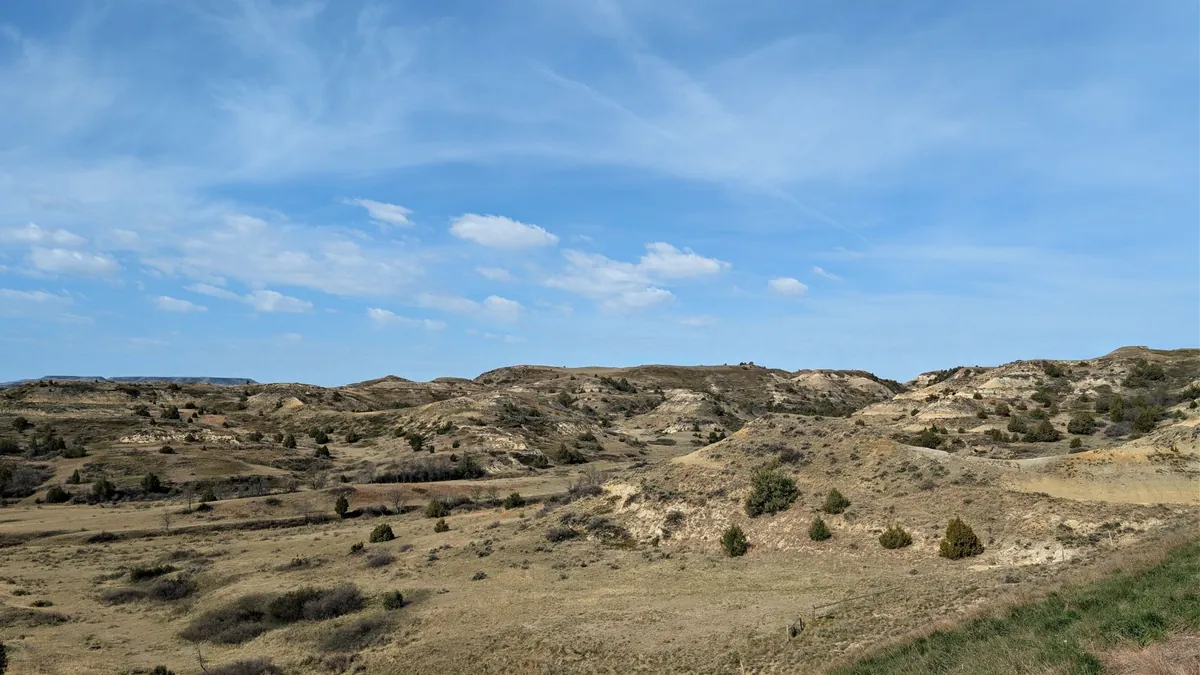
North Dakota City Guides
Fargo
North Dakota's largest city, a Red River trade hub anchored by finance, health care, and North Dakota State University.
Guide coming soonBismarck
The state capital on the Missouri River, with government and health care jobs and a cost of living below the state average.
Guide coming soonMinot
Home to Minot Air Force Base, the only U.S. base operating both bombers and ICBMs in the nuclear triad.
Guide coming soon

North Dakota Living and Vacationing Quick Reference
Living here
- State income tax
- Among the lowest of any state — 0% on the first ~$48,500 for single filers, 1.95% above that, and 2.5% only above ~$244,800
- Sales tax
- 5% statewide, commonly reaching 7%-8% combined with local city taxes
- Median home price
- About $291,000 statewide as of 2026, per Zillow — with Fargo near that figure, Bismarck at $339,000, and Minot at $240,000
- Cost of living
- About 8% to 11% below the national average statewide
- Driver's license deadline
- 60 days after establishing residency
- Population
- About 800,000, with Fargo the largest metro at roughly 260,000
Visiting first
- Main airport
- Hector International Airport (FAR) in Fargo
- National parks
- One — Theodore Roosevelt National Park in the western Badlands
- Best scouting months
- June through September — the state sees brutal winters, and a summer visit is the fair test
- The cold, honestly
- Winter lows regularly drop below 0°F with wind chills far colder — this is real Northern Plains weather, not an exaggeration
- "Nothing here," honestly
- The Bakken oil boom and Grand Forks/Minot Air Force bases have kept unemployment among the lowest in the country for over a decade
- Getting around
- A car is required nearly everywhere; distances between cities are long and public transit is minimal
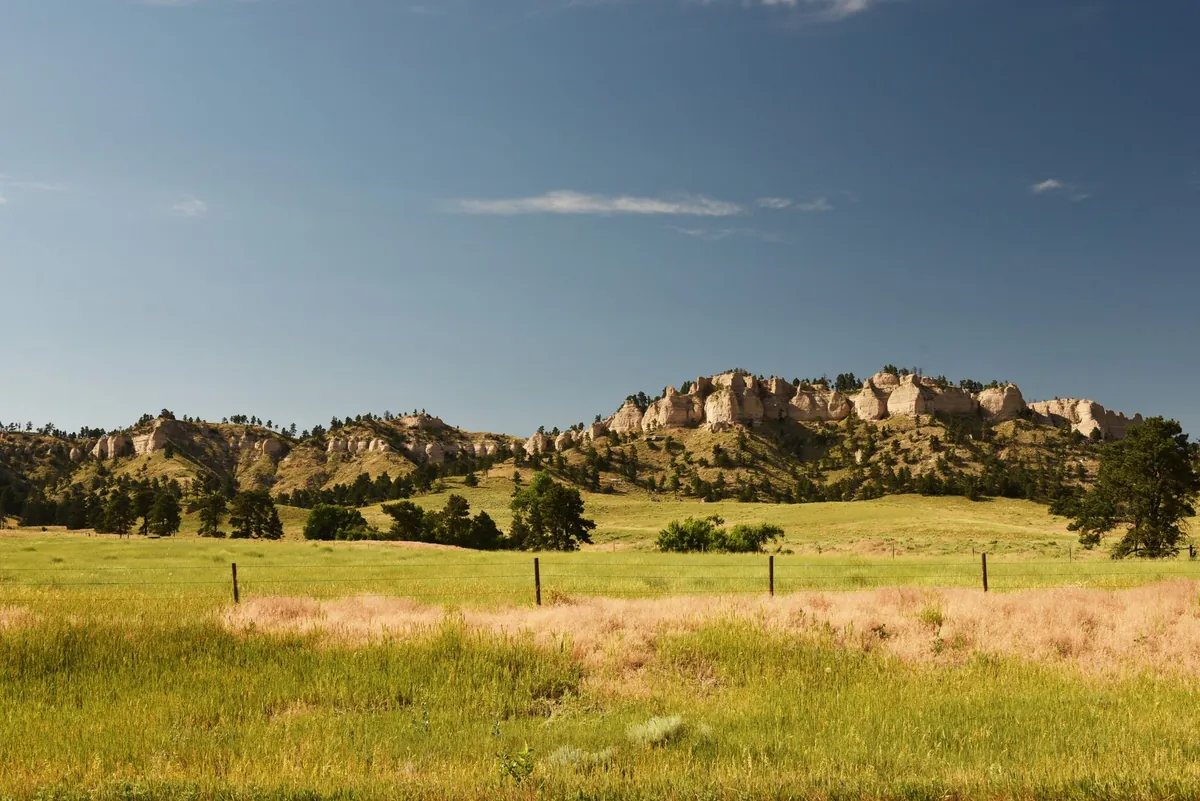
How North Dakota Got Its Name
North Dakota takes its name from the Dakota people, whose name means "allies" or "friends" in their own Sioux language. The Dakota Territory split into two states on the same day — November 2, 1889 — and President Benjamin Harrison reportedly had the statehood documents shuffled so no one could tell which he signed first, preserving the two states' insistence that neither joined the Union ahead of the other. The state's modern military identity is built on a Cold War bet: in the early 1960s the Air Force buried 150 Minuteman missile silos across the prairie around Minot, and that same base still stands watch today as the only one where bombers and ICBMs share the same nuclear mission.
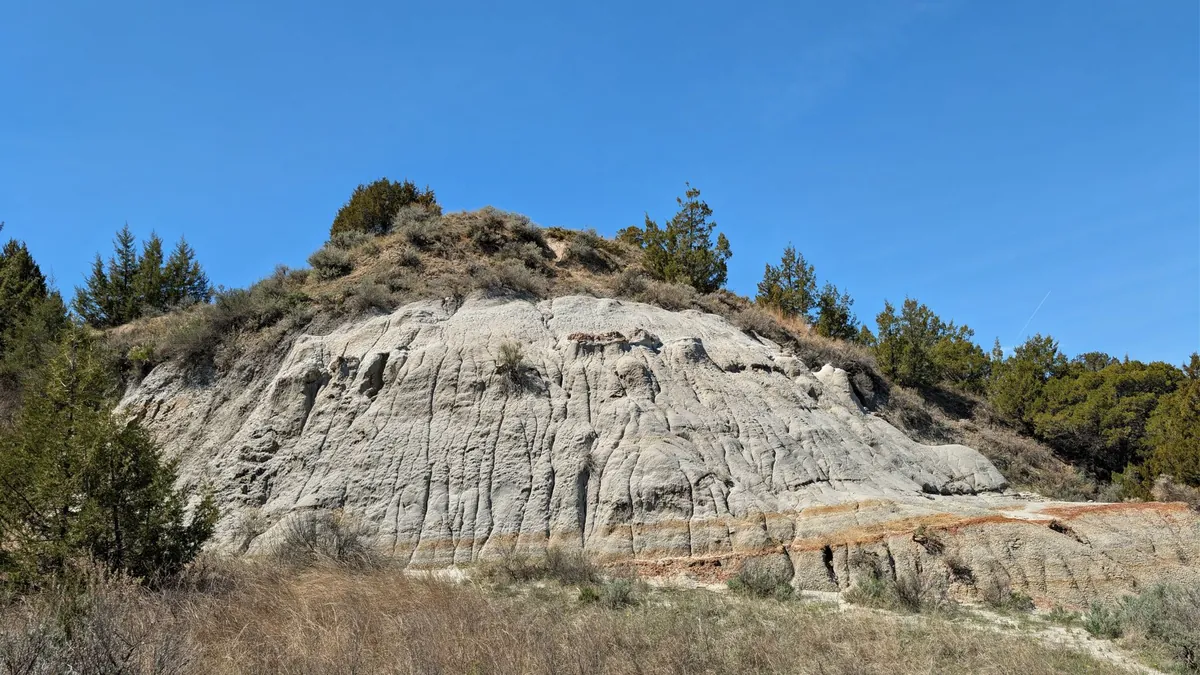
How to Become a North Dakota Resident
Establishing residency unlocks a North Dakota driver's license, vehicle registration, in-state tuition, and resident access to state parks and programs. You establish residency in North Dakota by doing any one of the following — you don't need all of them:
- Renting or buying a home in North Dakota
- Working for a North Dakota employer
- Registering to vote in North Dakota
- Operating a business located in North Dakota
- Enrolling children in a North Dakota primary or secondary school
- Living in the state for more than 183 days of a 12-month period, which triggers tax residency automatically
North Dakota Moving Checklist
- Transfer your driver's license and register your vehicle — deadline in the quick reference above
- Register and title your vehicle at the same time as your license
- Register to vote at your new address
- Set up utilities — natural gas and electric service vary by city-owned or co-op provider
- Transfer medical and dental records and find new providers
- File your change of address with USPS
- Review the tax picture: a 1.95% flat rate for most filers, among the lowest of any state with an income tax
Questions Movers Ask About North Dakota
Does North Dakota have state income tax?
Yes, but it is among the lowest of any state that taxes income. Most married and joint filers pay a flat 1.95%. Single filers pay nothing on the first ~$48,500, 1.95% above that, and 2.5% only above ~$244,800. A 2023 reform zeroed out what used to be the bottom bracket, and further relief in later years pushed rates even lower.
What is North Dakota's sales tax rate?
The state rate is 5%, with cities layering on their own local sales taxes that commonly push the combined rate to 7% or 8% depending on where you shop.
How expensive is it to live in North Dakota?
About 8% to 11% below the national average statewide. Housing is the biggest driver of the savings — the typical home value is around $291,000 in Fargo, $339,000 in Bismarck, and $240,000 in Minot as of 2026, all well under the national median.
What military bases are in North Dakota?
Minot Air Force Base is the only Air Force installation in the country that operates both B-52 bombers and Minuteman III intercontinental ballistic missiles — two legs of the nuclear triad from one base. Grand Forks Air Force Base has shifted its mission toward unmanned aircraft systems and was selected in 2026 as one of four national test sites for counter-drone defense technology.
Is North Dakota really as cold as people say?
Yes. Winter lows routinely fall below 0°F, with wind chills that go lower still, and the season runs long — from November into March in a typical year. Summers, by contrast, are warm and pleasant, with highs in the 80s from June through August, which is the honest window to scout the state before committing to a winter you have not experienced.
Which North Dakota city should I move to?
It depends on what you are optimizing for. Fargo is the largest city and the deepest job market outside the military and energy sectors. Bismarck, the state capital, offers steady government and health care employment on the Missouri River. Minot suits military families and oil-industry workers, built around Minot Air Force Base and the Bakken economy to the west.
Sources and Data Notes
Residency options, license and vehicle-registration deadlines, and tax rates on this page reflect requirements published by the North Dakota Department of Transportation and the North Dakota Office of State Tax Commissioner. Cost, housing, and job-market figures draw on the public datasets used across ScoutLocale's city guides, including the U.S. Census Bureau, the U.S. Bureau of Labor Statistics, BestPlaces.net, and Niche.com.
Comparing states? Browse moving guides for every state.