
Living in Fayetteville, NC: The Complete 2026 Relocation and Visitor Guide
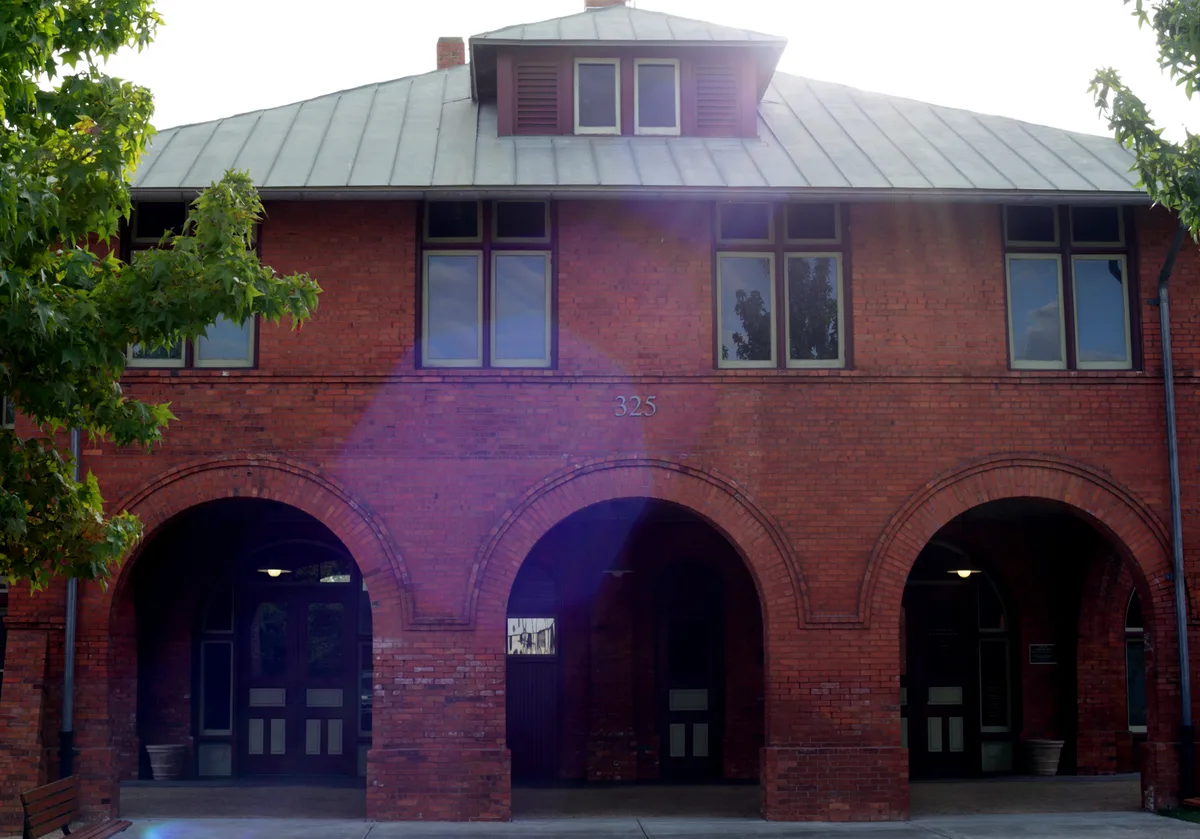
Fayetteville pairs a cost of living index of 81.4 — 18.6% below the national average — with a median home price of just $240,000 as of February 2026, anchored by an economy built around Fort Bragg, home to roughly 49,000 military personnel, 12,000 DoD civilians, and 5,000 contractors. The base alone generates $8.2 billion a year in operating costs, making Fayetteville one of the most affordable, most military-dependent mid-size cities in the Southeast. The trade-offs get honest treatment throughout this guide: a crime index well above the national average, and a Niche city grade of C+ that trails the surrounding county’s schools. Whether you’re planning a PCS to Fort Bragg, weighing a permanent move, or visiting first to scout the city, here is everything on cost of living, jobs, neighborhoods, schools, safety, and things to do in Fayetteville.
Quick Answer — Is Fayetteville Worth Moving To?
Fayetteville is an affordable, diverse, military-anchored city with a cost of living index of 81.4 — meaning everyday expenses run about 19% below the national average — and a median home price of $240,000 as of February 2026. The job market is steady, with 4.5% unemployment as of 2024 and Fort Bragg supplying tens of thousands of stable positions alongside Cape Fear Valley Health and a growing logistics sector. It’s an especially strong fit for military families navigating a PCS, first-time homebuyers, and budget-conscious remote workers, though a crime index well above the national average and a car-dependent layout (Walk Score just 21/100) are genuine trade-offs worth weighing.
At a Glance: Fayetteville by the Numbers (2026)
| Metric | Fayetteville |
|---|---|
| Population | 210,815 (city); ~530,000 metro |
| Median home price | $240,000 |
| Cost of living index | 81.4 (U.S. avg = 100) |
| Median household income | $58,407 |
| Unemployment rate | 4.5% |
| Average commute | 19 minutes |
| Walk Score | 21/100 |
| Niche overall grade | C+ |
| Crime index | High — 38/1,000 residents (U.S. avg = 100; lower = safer) |
| School district grade | B |
| Average summer high | 89°F |
| Average winter low | 50°F |
| Annual sunshine days | 219 |
Fayetteville’s median household income of $58,407 sits well below the national median, but the cost of living index of 81.4 stretches that income further than the raw number suggests — a household here keeps more of its paycheck than an equivalent earner in a 100-index city. The crime index tells a tougher story: at 38 incidents per 1,000 residents and a violent crime rate of 660 per 100,000 (FBI UCR, 2024), Fayetteville carries a real safety challenge that shows up unevenly across its neighborhoods.
Cost of Living in Fayetteville
As of 2026, Fayetteville’s cost of living index sits at 81.4 — meaning everyday life costs about 19% less than the national average, according to BestPlaces.net (Sperling’s). Housing drives most of that gap: the housing cost index is just 51.6, roughly half the national baseline, and the median home price of $240,000 runs about 40% below the national median. Groceries and utilities track close to the national average, while healthcare costs are moderate thanks to a competitive regional hospital market. Transportation costs run slightly above average in practice, since Fayetteville’s car-dependent layout (Walk Score 21/100) makes a personal vehicle close to mandatory for daily errands.
North Carolina levies a flat state income tax of 4.5% as of 2024 — a cost northern transplants from no-tax states should build into their budget, though it’s still a lighter bite than the graduated rates in states like California or New York.
Housing Market Snapshot
Fayetteville’s median home price reached $240,000 as of February 2026, up 9.1% year-over-year, according to Redfin — a sign of steady demand even at an affordable baseline. A one-bedroom rental runs $900–$1,100 a month, and a two-bedroom averages $1,050–$1,350. Fort Bragg’s BAH (Basic Allowance for Housing — the military’s monthly housing stipend) provides a steady buyer and renter pool year-round, and PCS season (typically June through August) brings predictable inventory spikes as military families rotate in and out.
---Jobs and Economy
Fort Bragg is Fayetteville’s economic engine, employing nearly 70,000 people across active-duty military, DoD civilians, and contractors and generating $8.2 billion annually in base operating costs — about $22.3 million a day, according to BizFayetteville. Cape Fear Valley Health is the largest civilian employer at 7,100 workers, followed by Cumberland County Schools, Walmart (distribution and retail), Goodyear Tire, and Amazon’s local fulfillment center. Advanced manufacturing is a growing bright spot: American Titanium Metal chose Cumberland County in 2024 for an aerospace-grade titanium plant projected to bring 304 jobs. Unemployment stood at 4.5% as of 2024 (BLS, Fayetteville MSA), close to the national rate. The economy leans more heavily on a single institution than most similarly sized cities — a structure that delivers stability through defense spending but limits diversification, and remote-work adoption here remains moderate compared to tech-hub metros.
Neighborhoods in Fayetteville: Where to Live
Fayetteville’s neighborhoods range from a walkable historic district to quiet suburbs built around Fort Bragg’s gates, and the right fit depends on your commute to base, budget, and family situation.
Haymount is Fayetteville’s most charming historic neighborhood, with tree-lined streets and preserved Victorian-era homes within walking distance of downtown restaurants and shops. Best for professionals and couples who want urban walkability in a city where that’s otherwise scarce.
Westover is a family-friendly area west of Fort Bragg with affordable homes, a quiet feel, and a Walk Score of 41 — well above the city average. Best for military families and first-time buyers who want proximity to base without the premium.
Hope Mills is an independently incorporated suburb that consistently ranks as the best suburb near Fayetteville on Niche, with above-average schools and low crime. Best for families prioritizing school quality and safety over a shorter commute.
Arran Lakes West sits close to Fort Bragg’s main gate, with affordable homes, lake access, and a strong military community feel. Best for active-duty families who want the shortest possible commute to base.
For nearby options with a different character, see our guides to Raleigh, Durham, and Wilmington.
---Schools, Safety, and Quality of Life
Schools: Cumberland County Schools holds a B overall grade from Niche.com, with several magnet and early college schools rated A+. For adult learners — including military spouses and transitioning service members — Fayetteville Technical Community College offers night and continuing-education programs that fit around irregular work and deployment schedules, a resource that matters for a population that turns over as often as this one does.
Safety: Fayetteville’s crime picture is a genuine challenge. The violent crime rate stands at 660 per 100,000 residents (FBI UCR, 2024), and NeighborhoodScout puts the odds of crime victimization at roughly 1 in 27 — property crime, concentrated in larceny-theft, accounts for 62.6% of all reported incidents. That said, risk is not evenly spread: Hope Mills, Westover, and the nearby suburb of Pinehurst are significantly safer than the city average, and neighborhood research before signing a lease or buying a home is especially important here.
Quality of life: Cape Fear Valley Medical Center anchors the city’s healthcare system, ranked 20th of 119 hospitals in North Carolina by U.S. News (2025–26) and high-performing in eight specialties including stroke and heart failure care; Fort Bragg’s Womack Army Medical Center serves military personnel and dependents directly. With a Walk Score of just 21/100, daily life here depends on a car — public transit exists through the FAST bus network, but coverage is limited to major corridors. The pace of life is shaped by the base: young (median age 31), diverse, and used to newcomers.
Climate and Weather in Fayetteville
Fayetteville has a humid subtropical climate with four distinct but mild seasons. Summers run hot and humid, averaging an 89°F high in July with frequent afternoon thunderstorms, while winters stay short and mild, averaging a 50°F high in January with only about two inches of snow a year. The city logs 219 sunny days annually, well above many East Coast metros. Weather risks include occasional hurricanes and tropical storm remnants — Hurricane Florence caused significant flooding in 2018 — plus severe spring and summer thunderstorms and rare winter ice events. Homebuyers near the Cape Fear River should factor flood risk into their search; it’s a real consideration for low-lying lots, not a citywide one.
Getting In and Out of Fayetteville
Fayetteville Regional Airport (FAY) offers limited commercial service directly from the city, while Raleigh-Durham International Airport, about 60 miles and roughly an hour north via I-95 and US-401, provides the region’s full national and international route map. I-95 runs along the city’s eastern edge with direct access into downtown, though Fayetteville has no Amtrak or commuter rail service — a personal vehicle or the drive to RDU is the default for most air travel. This matters most for military members traveling on PCS orders and families making frequent trips home, both of whom should plan around the airport drive rather than assume in-town options.
Things to Do in Fayetteville: Top Attractions and Day Trips
Fayetteville’s leisure scene runs through its military heritage — free museums, riverfront trails, and a downtown built around honoring service — with day trips to golf, the state capital, and the coast all within two hours.
-
Airborne & Special Operations Museum — Fayetteville’s premier attraction, this free museum honors the 82nd Airborne and U.S. Army Special Operations Command with full-size aircraft, helicopters, and an immersive simulation theater. A must for anyone connected to the military community, and an easy anchor for a downtown day trip.
-
Cape Fear Botanical Garden — An 80-acre garden two miles from downtown along the Cape Fear River, with themed plantings including a heritage rose garden and Japanese-inspired paths. Best in spring bloom (April–May); admission is affordable and it’s a favorite for families and casual visitors alike.
-
Huske Hardware House — A historic downtown brewery and restaurant housed in a converted hardware store, representative of Fayetteville’s growing five-microbrewery scene. Good for an evening out and a sense of the downtown revitalization underway.
-
Fantasy Lake Water Park — Rated the city’s top tourist draw, with swimming, waterslides, and lake activities that make it a go-to summer destination for families with kids.
NC Veterans Park, a landscaped downtown green space built with materials from all 100 North Carolina counties, anchors the same revitalization corridor as the Airborne museum — free to visit and a fitting emblem of a city defined by service. That military identity generates its own calendar: the International Folk Festival draws more than 70,000 people downtown each year, alongside the spring Dogwood Festival, Juneteenth Jubilee, and Fayetteville Pridefest.
Day Trips: Raleigh, the state capital, is about 60 miles and an hour away, offering the NC Museum of Art, NC Museum of Natural Sciences, and an urban dining scene that contrasts sharply with Fayetteville’s military character. Pinehurst, just 20 miles and 20 minutes south, is the self-proclaimed “Home of American Golf,” with a resort that has hosted multiple U.S. Opens. Wilmington, about 110 miles and two hours away, pairs a walkable historic downtown with Atlantic beaches at Wrightsville Beach — worth a full day or overnight.
---Moving to Fayetteville: Your 90-Day Checklist
90–60 days before:
- Research neighborhoods and set a housing budget using Zillow or Realtor.com — compare Westover and Arran Lakes West if a short commute to Fort Bragg is the priority
- Get at least three moving company quotes (PODS, Allied, HireAHelper, or local movers)
- Research school enrollment deadlines if you have children — Cumberland County’s magnet and early college programs have competitive application windows
- Review North Carolina’s flat 4.5% state income tax and how it compares to your current state
- Begin decluttering — book a self-storage unit if needed
60–30 days before: 6. Confirm moving company and lock in dates, especially if moving during peak PCS season (June–August) 7. Transfer medical and dental records; find new providers — Cape Fear Valley Health and Womack Army Medical Center (for military families) cover most of the area 8. Notify employer, bank, and subscriptions of address change 9. Research utility providers in Fayetteville and set up accounts 10. Arrange short-term lodging if permanent housing won’t be ready immediately — military families should coordinate with Fort Bragg’s housing office early
First 30 days after arrival: 11. Transfer driver’s license and vehicle registration to North Carolina 12. Register to vote at your new address 13. Explore Haymount and downtown on foot — one of the few genuinely walkable pockets in a car-dependent city 14. Join local Facebook groups or Nextdoor for your neighborhood 15. File change of address with USPS if not already done
---Frequently Asked Questions About Living in Fayetteville
Q: Is Fayetteville a good place to live? A: Fayetteville earns a C+ overall grade from Niche.com, driven up by a strong B-rated school district but weighed down by cost-of-living affordability and crime. Its biggest strength is a cost of living index of 81.4 — nearly 19% below the national average — paired with a stable, military-anchored job market. The honest trade-off is a crime index well above the national average and a heavily car-dependent layout.
Q: What is the cost of living in Fayetteville? A: Fayetteville’s cost of living index is 81.4 as of 2026 (U.S. average = 100), making it about 19% cheaper than the national average. Housing is the biggest factor, with a median home price of $240,000 — roughly 40% below the national median — driven partly by steady demand from Fort Bragg’s BAH-funded housing market.
Q: Is Fayetteville safe? A: Fayetteville’s crime index is high, with a violent crime rate of 660 per 100,000 residents as of 2024 (FBI UCR) and roughly a 1-in-27 chance of crime victimization overall, per NeighborhoodScout. Risk varies significantly by neighborhood — Hope Mills, Westover, and nearby Pinehurst are notably safer than the city average — so the citywide number understates conditions in the safest pockets.
Q: What are the best neighborhoods in Fayetteville? A: Haymount (historic, walkable, best for professionals), Westover (affordable, military-friendly, above-average Walk Score), and Hope Mills (top-rated suburb for schools and safety) are the most consistently recommended. Arran Lakes West is the pick for active-duty families wanting the shortest commute to Fort Bragg’s main gate.
Q: What is the job market like in Fayetteville? A: Unemployment sits at 4.5% as of 2024 (BLS), close to the national rate. Fort Bragg dominates the local economy with nearly 70,000 military, civilian, and contractor jobs, followed by Cape Fear Valley Health, Cumberland County Schools, Walmart, Goodyear, and Amazon. Advanced manufacturing is a newer growth area, highlighted by a 2024 aerospace titanium plant announcement.
Q: How far is Fayetteville from Raleigh? A: Raleigh is about 60 miles north of Fayetteville, roughly a one-hour drive via I-95 and US-401. There’s no direct commuter rail between the two cities, so the drive — or the trip to Raleigh-Durham International Airport for onward travel — is the practical option.
Fayetteville vs. Nearby Cities
Compared to Raleigh, Fayetteville is dramatically more affordable — its cost of living index of 81.4 sits well below Raleigh’s, and median home prices run less than half of Raleigh’s typical listing — but Raleigh offers a far more diversified job market beyond the defense sector and a stronger arts and dining scene. Durham shares Raleigh’s higher cost structure but adds a research and biotech economy anchored by Duke University, a different draw than Fayetteville’s military base. Wilmington, roughly two hours southeast, trades Fayetteville’s affordability for coastal living and a tourism-driven economy, with home prices that run noticeably higher near the beach. For full profiles of these cities, see our guides to Raleigh, Durham, and Wilmington.
Sources and Data Notes
Data in this article is drawn primarily from 2024–2026 sources: U.S. Census Bureau (population, demographics), Bureau of Labor Statistics (unemployment, 2024 MSA data), Niche.com (school and city grades), BestPlaces.net/Sperling’s (cost of living index, climate), FBI Uniform Crime Reports (2024 crime data), NeighborhoodScout and PlainCrime (supplemental crime indices), Walk Score (walkability), Redfin (housing market data), and BizFayetteville (Fort Bragg economic impact). Data reflects conditions as of 2026 unless otherwise noted; the Niche city-level letter grade (C+) is an estimate derived from district grades, crime, and cost-of-living data rather than a directly scraped city page, per the research file’s data quality notes.