
Moving to New Mexico: City Guides, Checklist & Tips
Updated July 2026
New Mexico taxes purchases through a gross receipts tax instead of a traditional sales tax — a rate that starts at 4.875% statewide and climbs past 9% once local city and county add-ons stack in, and unlike a sales tax it's charged to the seller, not the buyer, though nearly every business passes it straight through. The state runs a progressive income tax from 1.5% up to 5.9% after a 2025 bracket restructuring, and its cost of living sits about 12% below the national average statewide — though Santa Fe runs roughly 12% above it. Kirtland Air Force Base anchors Albuquerque's nuclear-security and national-lab economy, and White Sands Missile Range, the largest military installation in the country by land area, dominates the state's southern desert. This hub collects our city-by-city relocation guides for New Mexico, plus the practical steps to become a resident.
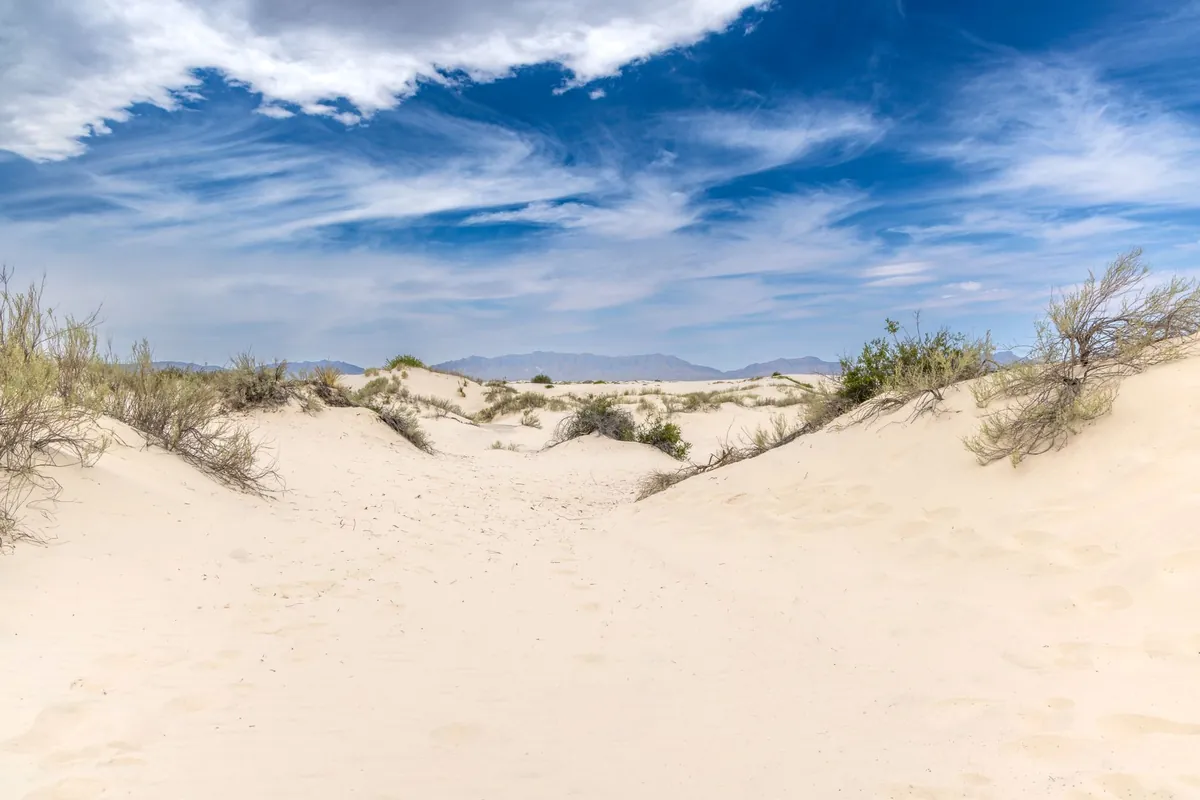
New Mexico City Guides
Albuquerque
New Mexico's largest city, anchored by Kirtland Air Force Base and the Sandia and Los Alamos national labs.
Guide coming soonSanta Fe
The nation's oldest state capital, built around adobe architecture, art markets, and a cost of living above the state average.
Guide coming soonLas Cruces
A university and border-agriculture city next to White Sands Missile Range, the largest military installation in the U.S. by area.
Guide coming soon

New Mexico Living and Vacationing Quick Reference
Living here
- State income tax
- Progressive, 1.5% to 5.9% as of the 2025 bracket restructuring
- Gross receipts tax
- 4.875% statewide base, commonly 7%-9% combined with local add-ons; most groceries are exempt
- Median home price
- About $315,000 statewide as of 2026, per Zillow — roughly $349,000 in Albuquerque, $571,000 in Santa Fe, and $283,000 in Las Cruces
- Cost of living
- About 12% below the national average statewide; Santa Fe runs roughly 12% above it
- Driver's license deadline
- No fixed day count published by MVD — transfer promptly once you've established residency
- Population
- About 2.1 million, with roughly a third concentrated in metro Albuquerque
Visiting first
- Main airport
- Albuquerque International Sunport (ABQ)
- National parks
- Two — White Sands National Park and Carlsbad Caverns National Park
- Best scouting months
- April through June or September through October — mild days, low humidity, before summer monsoon storms
- Albuquerque's crime rate, honestly
- Violent crime runs well above the national average and has drawn national attention, but it's concentrated in specific corridors — the Northeast Heights consistently ranks among the safer parts of the city
- Elevation
- Albuquerque sits around 5,300 feet — expect thinner air, more sun exposure, and an adjustment period for new arrivals
- Getting around
- A car is essential outside downtown Albuquerque and Santa Fe; public transit is limited statewide
How New Mexico Got Its Name
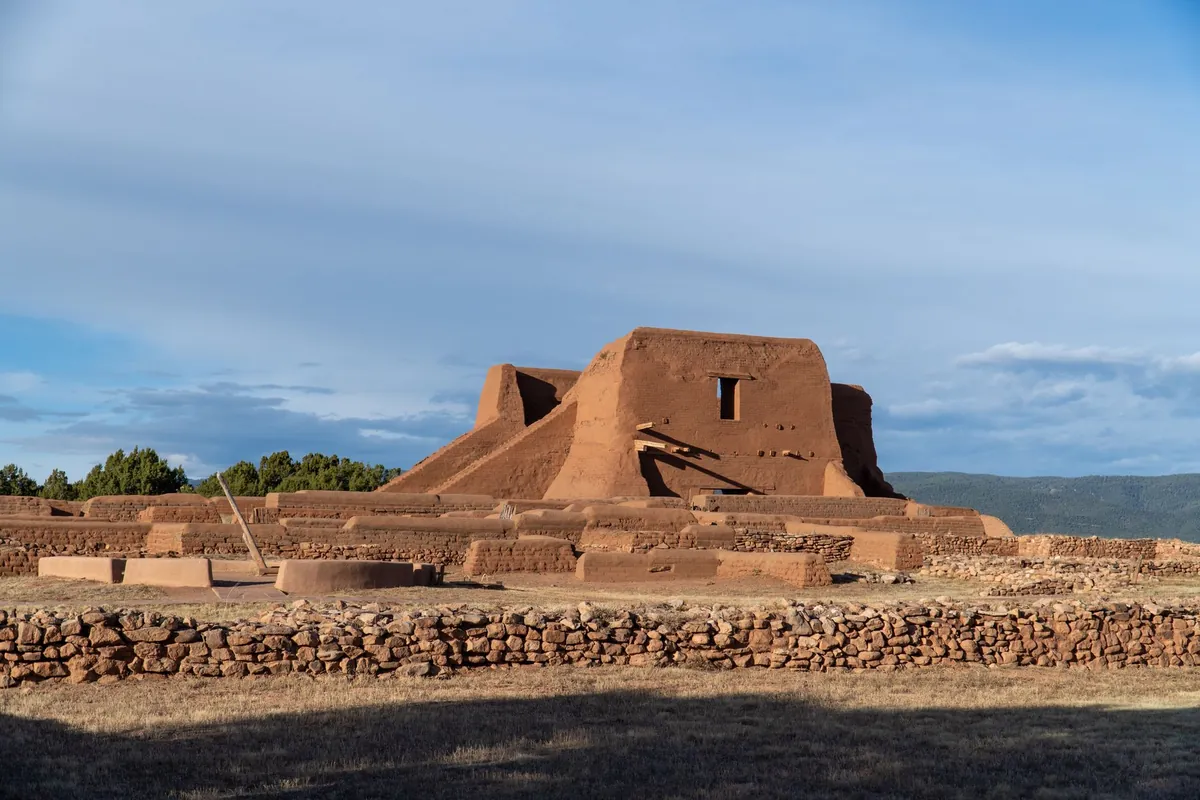
New Mexico takes its name from the Mexican territory of Nuevo México, itself named for the Aztec Valley of Mexico — Spanish explorers applied the name in the 1560s, decades before the country of Mexico existed. That history created a lasting mix-up: when the territory pushed for statehood in the early 1900s, Congress worried voters would confuse a new U.S. state with the foreign country next door, and the admission process dragged for over 60 years before New Mexico finally joined the Union in 1912. The state's military history runs just as deep. The world's first atomic bomb detonated at the Trinity Site on White Sands Missile Range on July 16, 1945 — a stretch of desert so isolated the Army chose it specifically because almost no one was there to see it.
How to Become a New Mexico Resident
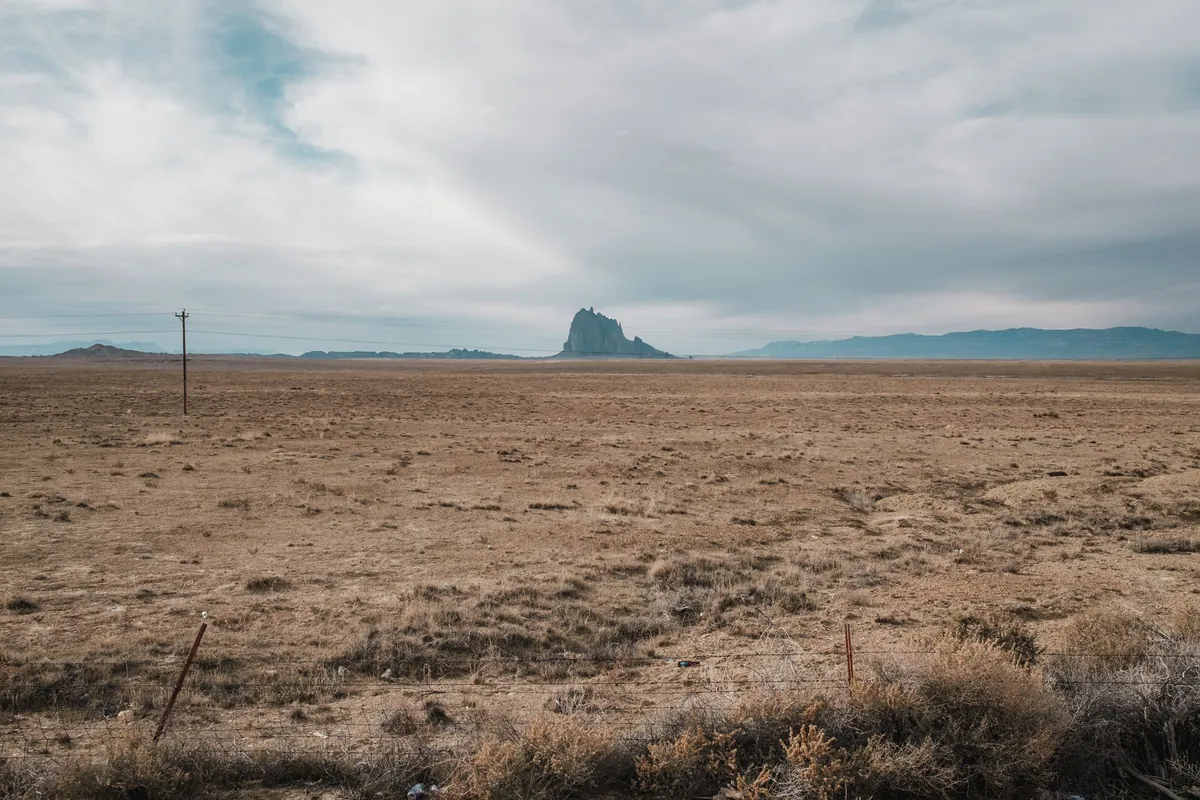
Establishing residency unlocks a New Mexico driver's license, vehicle registration, in-state tuition, and resident access to state parks and programs. You establish residency in New Mexico by doing any one of the following — you don't need all of them:
- Renting or buying a home in New Mexico
- Working for a New Mexico employer
- Registering to vote in New Mexico
- Operating a business located in New Mexico
- Enrolling children in a New Mexico primary or secondary school
- Spending more than 183 days of a 12-month period in the state, which triggers tax residency automatically
New Mexico Moving Checklist
- Transfer your driver's license and register your vehicle — New Mexico's MVD does not publish a fixed day count, but plan to do this promptly after you're settled
- Register to vote at your new address
- Set up utilities and, in Albuquerque, water service through the city rather than a private utility
- Transfer medical and dental records and find new providers
- File your change of address with USPS
- Review the tax picture: a gross receipts tax in place of sales tax, plus a progressive income tax up to 5.9%
Questions Movers Ask About New Mexico
Does New Mexico have a sales tax?
Not exactly. New Mexico charges a gross receipts tax instead, similar to Hawaii's general excise tax — a levy on the seller's revenue that's usually passed on to the buyer as a line-item charge. The statewide base rate is 4.875%, but combined city and county rates commonly reach 7% to 9%. Most grocery store food is exempt, though prepared meals and restaurant food are taxed.
What is the state income tax rate in New Mexico?
New Mexico uses a progressive income tax with six brackets running from 1.5% to 5.9%, restructured in 2025 to smooth the jump between the lowest and highest rates. The top rate of 5.9% applies to income above $210,000 for single filers.
How expensive is it to live in New Mexico?
About 12% below the national average statewide, but that hides real variation. Albuquerque's typical home value is around $349,000 and Las Cruces runs cheaper at about $283,000, while Santa Fe carries a cost of living index near 112 — about 12% above the national average — driven by its tourism-and-arts housing market.
Is Albuquerque safe?
Albuquerque's violent crime rate runs well above the national average and the city has drawn national coverage for it, so the concern is fair. But the risk is not spread evenly — the Northeast Heights and other northwest neighborhoods post crime rates a fraction of the citywide figure, and homicides have declined each of the last two years.
What military bases are in New Mexico?
Kirtland Air Force Base sits inside Albuquerque city limits and anchors the nuclear-security and national-lab economy alongside Sandia National Laboratories. White Sands Missile Range, near Las Cruces, is the largest military installation in the United States by land area at roughly 3,200 square miles. Holloman Air Force Base, also near Alamogordo, hosts fighter training squadrons.
Which New Mexico city should I move to?
It depends on what you are optimizing for. Albuquerque offers the deepest job market, anchored by Kirtland AFB and the national labs, at a cost of living below the national average. Santa Fe carries a higher cost of living but trades on arts, tourism, and historic character as the nation's oldest state capital. Las Cruces is the most affordable of the three, built around New Mexico State University and its proximity to White Sands Missile Range.
Sources and Data Notes
Residency options, license and vehicle-registration deadlines, and tax rates on this page reflect requirements published by the New Mexico Taxation and Revenue Department, which includes the state Motor Vehicle Division. Cost, housing, and job-market figures draw on the public datasets used across ScoutLocale's city guides, including the U.S. Census Bureau, the U.S. Bureau of Labor Statistics, BestPlaces.net, and Niche.com.
Comparing states? Browse moving guides for every state.