
Living in Warrensburg, MO: The Complete 2026 Relocation and Visitor Guide
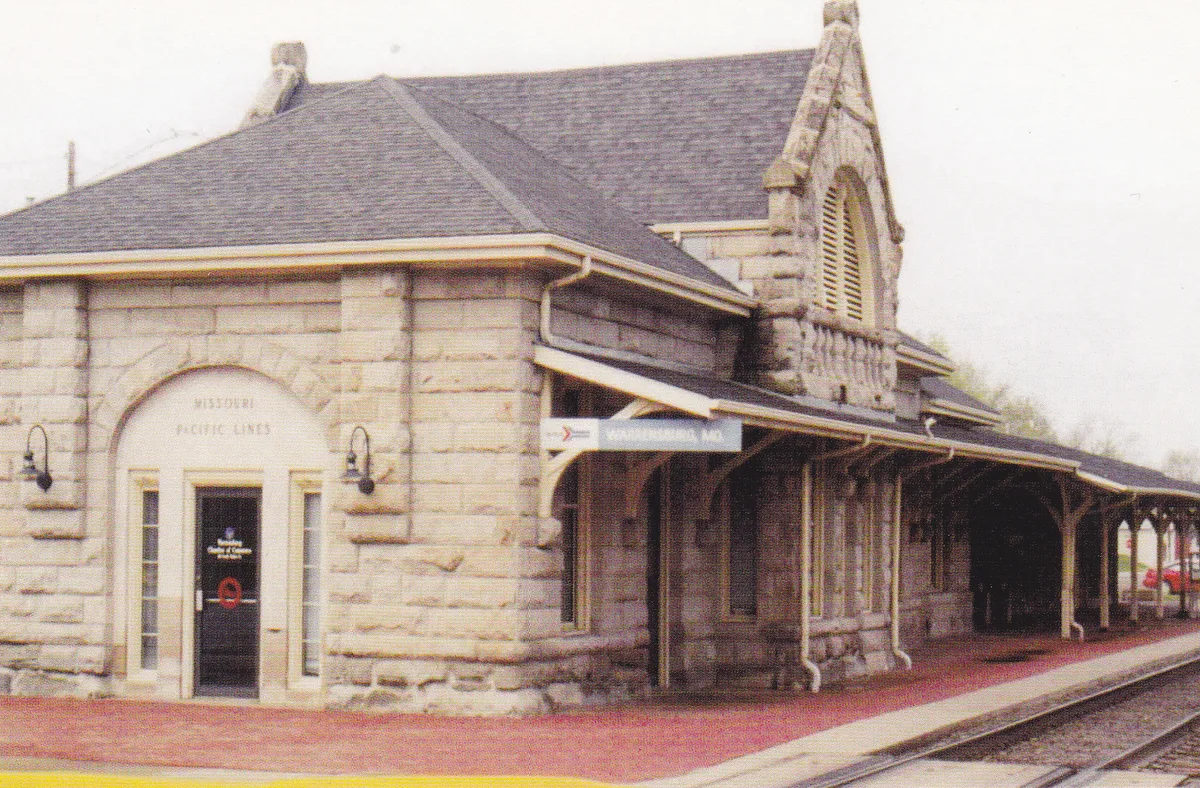
Warrensburg’s cost of living index of 79 — 21% below the national average, with a median home around $250,000 — makes it one of the most genuinely affordable small cities in America, and its economy rests on two recession-proof pillars: Whiteman Air Force Base, the only installation in the world flying the B-2 Spirit stealth bomber, 10 miles out, and the University of Central Missouri in town. Kansas City sits 65 miles northwest for big-city needs; Knob Noster State Park puts 3,500 acres of oak woodland at the doorstep. The honest scale check: 20,000 people means limited restaurants, nightlife, and retail, and Tornado Alley weather demands real preparedness. For military families assigned to Whiteman, UCM faculty and students, and value-focused movers, this guide covers what small-city Missouri actually offers.
Quick Answer — Is Warrensburg Worth Moving To?
Warrensburg is one of America’s most affordable small cities, with a cost of living index of 79 (21% below the national average) and a median home price around $250,000 as of 2025 — less than half the national median. Its economy is anchored by two recession-proof pillars: Whiteman AFB and the University of Central Missouri. It’s an especially strong fit for military families assigned to Whiteman, UCM faculty and students, and anyone who wants authentic Midwest small-town life at exceptional value, with Kansas City less than an hour away when big-city needs arise. The honest trade-offs: this is a genuinely small city (20,000 people), limited in restaurants, nightlife, and retail compared to metro areas, and Missouri’s tornado risk and hot, humid summers require weather-preparedness and acclimatization.
At a Glance: Warrensburg by the Numbers (2025)
| Metric | Warrensburg |
|---|---|
| Population | 19,998 |
| Median home price | $250,000 |
| Cost of living index | 79 (U.S. avg = 100) |
| Median household income | $57,783 |
| Unemployment rate | 3.5% |
| Average commute | 15 minutes |
| Walk Score | 42/100 |
| Niche overall grade | B- |
| Crime index | 128 (U.S. avg = 100; lower = safer) |
| School district grade | B- (Warrensburg R-VI — above average) |
| Average summer high | 88°F |
| Average winter low | 22°F |
| Annual sunshine days | 217 |
Warrensburg’s median household income of $57,783 stretches considerably further here than it would in most American cities — a cost of living index of 79 means a dollar goes roughly 26% further than the national average. Missouri has a modest state income tax topping out at 4.7% as of 2026, which is offset significantly by the city’s dramatically lower housing and everyday costs.
Cost of Living in Warrensburg
Warrensburg’s cost of living index of 79 makes it 21% less expensive than the national average and one of the most affordable small cities in the Midwest, according to Salary.com and AreaVibes. Housing is the primary driver of savings: a median home price of $250,000 is less than half the national median, and rent for a one-bedroom apartment averages just $750–$950/month — a figure that surprises most newcomers from coastal or Sun Belt markets. Groceries and utilities run close to national norms, and healthcare costs are modestly below average. The biggest cost difference versus peer cities in the South and West is housing: a military family’s BAH allowance covers comfortable housing here, often with money to spare. Missouri has a state income tax topping out at 4.7% as of 2026, which partially offsets the housing savings. Overall, Warrensburg consistently ranks as one of the best-value small cities in America for military families and value-conscious relocators.
Housing Market Snapshot
Warrensburg’s median home price sits around $250,000 as of 2025, with recent data showing meaningful appreciation — Redfin tracked a 14.8% year-over-year increase into early 2026, reflecting growing demand from Whiteman AFB’s expanding mission and UCM enrollment. Median rent for a one-bedroom runs approximately $750–$950/month and a two-bedroom averages $900–$1,100/month, according to local market data. The consistent rotation of military families through Whiteman AFB provides stable rental demand and makes Warrensburg an attractive small-market real estate investment. For buyers, the combination of low prices and low competition makes it one of the most accessible ownership markets in Missouri.
---Jobs and Economy
Warrensburg’s economy rests on two extraordinarily stable pillars. Whiteman Air Force Base — located 10 miles east of town — is home to the 509th Bomb Wing, the only unit in the world that operates the B-2 Spirit stealth bomber, America’s most advanced nuclear-capable aircraft. The 509th’s mission is central to the U.S. nuclear deterrence posture; the base also hosts the 131st Bomb Wing of the Missouri Air National Guard. Approximately 8,000 military and civilian personnel work at Whiteman, generating an estimated $800 million annually in regional economic impact — a staggering figure for a county of 55,000 people. The University of Central Missouri (UCM), with approximately 12,000 students and 3,500 employees, is the city’s second anchor: providing education sector employment, healthcare training programs, and a steady source of renters and buyers that keeps the housing market active year-round. Western Missouri Medical Center is the primary civilian healthcare employer. Defense contractors and support services fill out the local employment landscape. For transitioning military members and veterans, Whiteman’s mission (B-2 maintenance, cybersecurity, logistics, intelligence) generates contractor demand in specialized technical fields. Missouri’s no-income-tax treatment of military retirement pay adds meaningful financial benefit for veterans choosing to stay in the area.
Neighborhoods in Warrensburg: Where to Live
Warrensburg is a genuinely small city, so neighborhood distinctions are less dramatic than in a major metro — but the character differences between areas are real and worth understanding before choosing a home. For additional regional options, see our guides to Knob Noster, Sedalia, and Lee’s Summit.
Historic Downtown / UCM District is the most vibrant and walkable part of Warrensburg, centered on the historic courthouse square and the University of Central Missouri campus. Independent coffee shops, restaurants, a brewery, and retail line the Victorian-era commercial buildings surrounding the square. Best for UCM faculty and staff, young professionals, and anyone who values walkability and community character over size. The Old Drum statue on the courthouse lawn is the neighborhood’s defining landmark — and an irresistible conversation starter.
Northeast Warrensburg offers established residential neighborhoods with older single-family homes, mature trees, and modest price points. Best for families and value-oriented buyers who want proximity to downtown schools and the UCM campus without the premium of newer construction. This area represents the most traditional Midwestern small-city residential experience.
Southwest Warrensburg features newer residential development with more modern construction, larger lots, and the most direct routing to Whiteman AFB’s main gate (approximately a 10–15 minute drive). Best for military families who want a comfortable suburban home with a manageable base commute. Quiet, family-oriented, and well-maintained.
Knob Noster is a separate small town (~2,800 population) immediately adjacent to Whiteman’s main gate, offering the absolute closest civilian housing to the flight line at the lowest prices in the area. Best for junior enlisted families who want to minimize the commute and maximize housing value. Knob Noster State Park is the community’s backyard and one of the finest natural assets in the region.
---Schools, Safety, and Quality of Life
Schools: The Warrensburg R-VI School District is rated above average by Niche.com, holding a B- overall district grade — a notably positive result for a community of its size and military-community demographic profile. The district benefits from a stable funding base and the academic culture that comes from being a university town: UCM’s presence supports teacher training, enrichment programs, and a community that values education. Warrensburg High School and South Elementary are among the district’s strongest performers. The University of Central Missouri itself provides excellent in-city higher education access for residents pursuing degrees or continuing education while stationed at Whiteman.
Safety: Warrensburg’s crime picture is more nuanced than raw statistics suggest. The total crime rate runs approximately 28% above the national average — driven largely by property crime typical of college towns (bike theft, auto break-ins, property incidents near UCM’s campus). Critically, the violent crime rate in Warrensburg is actually below both the Missouri state average and the national average — a meaningful distinction that citywide crime indexes tend to obscure. Residents consistently report that Warrensburg feels safe in day-to-day life, and the military community’s presence tends to anchor neighborhood stability. As with any community, staying aware of your surroundings near the UCM campus and downtown on weekend nights is sensible.
Quality of Life: Western Missouri Medical Center provides primary acute care for the civilian population; active-duty military and eligible family members receive care through Whiteman’s medical facilities. The presence of UCM elevates Warrensburg’s quality of life far beyond what a 20,000-person town would typically offer: Division II athletics, a performing arts center, a fine art gallery, and a steady calendar of public events create genuine cultural richness. The pace of life is classically Midwestern — friendly, unhurried, and community-oriented — with genuine connections forming quickly in a city where everyone seems to know everyone within a few months of arrival.
Climate and Weather in Warrensburg
Warrensburg experiences the full drama of the American Midwest’s four-season climate. Summers are hot and humid — highs regularly reach 88–92°F from June through August, with humidity that amplifies the heat index; outdoor activities are best in the morning or evening. Winters are cold and occasionally snowy, with average January lows around 22°F and annual snowfall of approximately 15 inches; ice storms can be a periodic road hazard. The city averages 217 sunny days per year — slightly above the national average — and receives about 42 inches of annual rainfall, predominantly in spring and early summer. Tornado risk is real and significant: central Missouri sits in an active tornado corridor, and spring severe weather seasons demand that residents have a monitored weather alert system and a storm shelter or interior room plan. Missouri’s spring wildflower season and vivid fall foliage are genuine seasonal highlights that outdoor-minded residents come to treasure.
Things to Do in Warrensburg: Top Attractions and Day Trips
Warrensburg’s activity profile reflects its character as a small college and military town: genuine outdoor recreation, authentic local history, and a community that makes its own entertainment rather than relying on commercial tourism infrastructure. Residents who arrive expecting a small city’s limited amenities and discover the hiking at Knob Noster or the community events around the UCM campus consistently find themselves more engaged than anticipated.
-
Old Drum Historic Site & Courthouse Square — Warrensburg’s most beloved landmark tells one of American history’s most moving stories: the 1870 legal case in which Senator George Graham Vest delivered a closing argument defending a farmer’s slain dog that has been called “the most eloquent speech ever made before a jury.” His words — “The one absolutely unselfish friend that man can have in this selfish world… is his dog” — gave us the phrase “Man’s Best Friend.” The bronze Old Drum statue on the courthouse lawn is a touchstone of community identity. Free; always accessible.
-
Knob Noster State Park — A beautiful 3,567-acre park of oak woodland and creek bottomland immediately adjacent to Whiteman AFB, featuring eight hiking trails, two stocked fishing lakes, picnic shelters, playgrounds, and primitive camping. One of central Missouri’s finest natural areas and essentially the backyard for every Whiteman family. Free day-use; nominal camping fees.
-
Pertle Springs Trail & Lake — A historic recreation area that has been welcoming Warrensburg residents since 1886, featuring a scenic lakeside trail through mature woodland. A beloved local spot for morning runs, evening walks, and family outings that connects generations of residents to the same landscape. Free.
-
UCM Gallery of Art & Design — The University of Central Missouri brings rotating fine art and design exhibitions to Warrensburg year-round, providing a genuine cultural arts presence in a small city setting. Student showcases, visiting artist exhibitions, and permanent collection highlights make it worth returning to throughout the year. Free admission.
-
Powell Gardens — Twenty minutes west near Kingsville, Powell Gardens is a nationally recognized 970-acre botanical garden featuring the Heartland Harvest Garden — the nation’s largest edible landscape — plus nature trails, a lake, a conservatory, and extraordinary seasonal festivals. Admission approximately $10–$14 for adults. One of Missouri’s most beautiful and underappreciated public gardens.
Day Trips: Kansas City, 65 miles west (approximately one hour), is the defining big-city escape for Warrensburg residents — world-class Kansas City barbecue, the Nelson-Atkins Museum of Art, the Power & Light entertainment district, Kauffman and Arrowhead Stadiums, and the Country Club Plaza make it one of the Midwest’s most genuinely enjoyable cities for a day out. Lake of the Ozarks, 75 miles southeast (approximately 1.5 hours), is Missouri’s premier resort destination with 1,150 miles of shoreline, boating, fishing, and water parks — the natural summer weekend trip for military families. Jefferson City, 65 miles east (approximately one hour), is Missouri’s capital city, featuring the striking State Capitol building and the Missouri State Penitentiary’s popular history and ghost tours.
---Moving to Warrensburg: Your 90-Day Checklist
90–60 days before:
- Research neighborhoods based on commute priority — Southwest Warrensburg and Knob Noster for shortest Whiteman commute; Historic Downtown for walkability and UCM proximity
- Get at least three moving company quotes (PODS, Allied, HireAHelper, or local movers) — note that Warrensburg is a smaller market, so confirm availability
- Research Warrensburg R-VI school enrollment deadlines and any specialty program options through UCM’s community programs
- Review Missouri’s income tax (top rate 4.7% as of 2026) and confirm military retirement pay exemption (MO does not tax military retirement income)
- Begin decluttering — smaller moving loads are more cost-effective for long-distance moves to small cities
60–30 days before: 6. Confirm moving company and lock in dates 7. Transfer medical and dental records; Western Missouri Medical Center and Whiteman’s medical facilities are the primary options 8. Notify employer, bank, and subscriptions of address change 9. Research utility providers — City of Warrensburg handles electric, water, and sewer for most city residents 10. Arrange short-term lodging if needed; Whiteman on-base housing should be contacted 90+ days in advance
First 30 days after arrival: 11. Transfer Missouri driver’s license and vehicle registration (within 30 days of establishing residency) 12. Register to vote at new address 13. Walk the courthouse square downtown on your first weekend — the Old Drum statue and the community around it is the best introduction to Warrensburg’s character 14. Join Warrensburg and Whiteman AFB military family Facebook groups — exceptionally welcoming and practically useful for new arrivals 15. File change of address with USPS if not already done
---Frequently Asked Questions About Living in Warrensburg
Q: Is Warrensburg, Missouri a good place to live? A: Warrensburg earns a B- from Niche.com and is consistently recognized as an above-average small city for quality of life and affordability. For military families assigned to Whiteman AFB and UCM employees, it offers genuine small-town community, exceptional value, and the peace of mind that comes from two recession-proof economic anchors. The honest trade-off is its size — 20,000 people means limited restaurant, retail, and entertainment options, and Kansas City an hour away is the pressure-release valve for big-city needs.
Q: What is the cost of living in Warrensburg? A: Warrensburg’s cost of living index is approximately 79 — about 21% below the national average. The median home price of $250,000 is less than half the national median, and one-bedroom rents average just $750–$950/month. Missouri’s income tax (top rate 4.7% as of 2026) partially offsets these savings, but overall Warrensburg offers some of the most favorable housing costs of any city within commuting distance of a major military installation.
Q: Is Warrensburg safe? A: Warrensburg’s total crime index is approximately 128 — modestly above the national average, driven primarily by property crime typical of college towns (bike theft, minor property incidents near UCM). Importantly, Warrensburg’s violent crime rate is actually below both the Missouri state average and the national average — a meaningful distinction. Day-to-day life in Warrensburg feels safe, and the military community’s presence contributes to neighborhood stability throughout the city.
Q: What are the best neighborhoods in Warrensburg? A: Historic Downtown is best for walkability and community character (UCM-adjacent, courthouse square, independent restaurants). Southwest Warrensburg offers newer construction with the best Whiteman commute access. Northeast Warrensburg provides affordable established housing near schools. Knob Noster (10 miles east) puts you closest to Whiteman’s gate at the lowest prices.
Q: What is the job market like in Warrensburg? A: The unemployment rate is approximately 3.5%. The two dominant employers are Whiteman AFB (509th Bomb Wing, ~8,000 military and civilian jobs) and the University of Central Missouri (~3,500 employees). Western Missouri Medical Center rounds out the primary employers. Defense contractors and support services provide additional technical employment. Missouri does not tax military retirement income, adding meaningful financial benefit for veterans remaining in the area.
Q: How far is Warrensburg from Kansas City? A: Warrensburg is approximately 65 miles east of Kansas City — typically a 60-minute drive on US-50 West under normal conditions. This distance makes Kansas City’s world-class barbecue, professional sports, museums, and international airport fully accessible for day trips and weekends, while Warrensburg residents enjoy small-city quiet and dramatically lower housing costs on a daily basis.
Warrensburg vs. Nearby Cities
Warrensburg’s most relevant comparison points are Knob Noster, Sedalia, and the Kansas City suburb of Lee’s Summit. Knob Noster (2,800 population, immediately adjacent to Whiteman’s gate) offers the lowest possible housing costs and shortest base commute, but with almost no commercial infrastructure — it functions as a neighborhood of Warrensburg for most practical purposes. Sedalia (21,000 population, 25 miles east) is a comparable small city with lower housing prices than Warrensburg but fewer cultural amenities and a more limited economic base. Lee’s Summit (100,000 population, 50 miles northwest in the Kansas City metro) offers far superior retail, dining, and school options, but at median home prices of $350,000–$400,000 and a 45-minute commute to Whiteman. For most Whiteman families, Warrensburg represents the optimal balance of base proximity, community infrastructure, and affordability. For full profiles, see our guides to Knob Noster, Sedalia, and Lee’s Summit.
Sources and Data Notes
Data in this article is drawn from the following sources, primarily covering 2024–2025: U.S. Census Bureau / DataUSA (population, income), Bureau of Labor Statistics (unemployment), Niche.com (school district and city grades), Salary.com / AreaVibes (cost of living index), NeighborhoodScout / CrimeGrade.org / Niche (crime data), WeatherSpark / BestPlaces (climate and sunshine), Redfin / DataUSA (housing market data), Whiteman.af.mil / SimpleFlying / Wikipedia (base information), and VisitWarrensburg.com / TripAdvisor (attractions and day trips). Data reflects conditions as of 2025 unless otherwise noted.