
Living in Boston, MA: The Complete 2026 Relocation and Visitor Guide
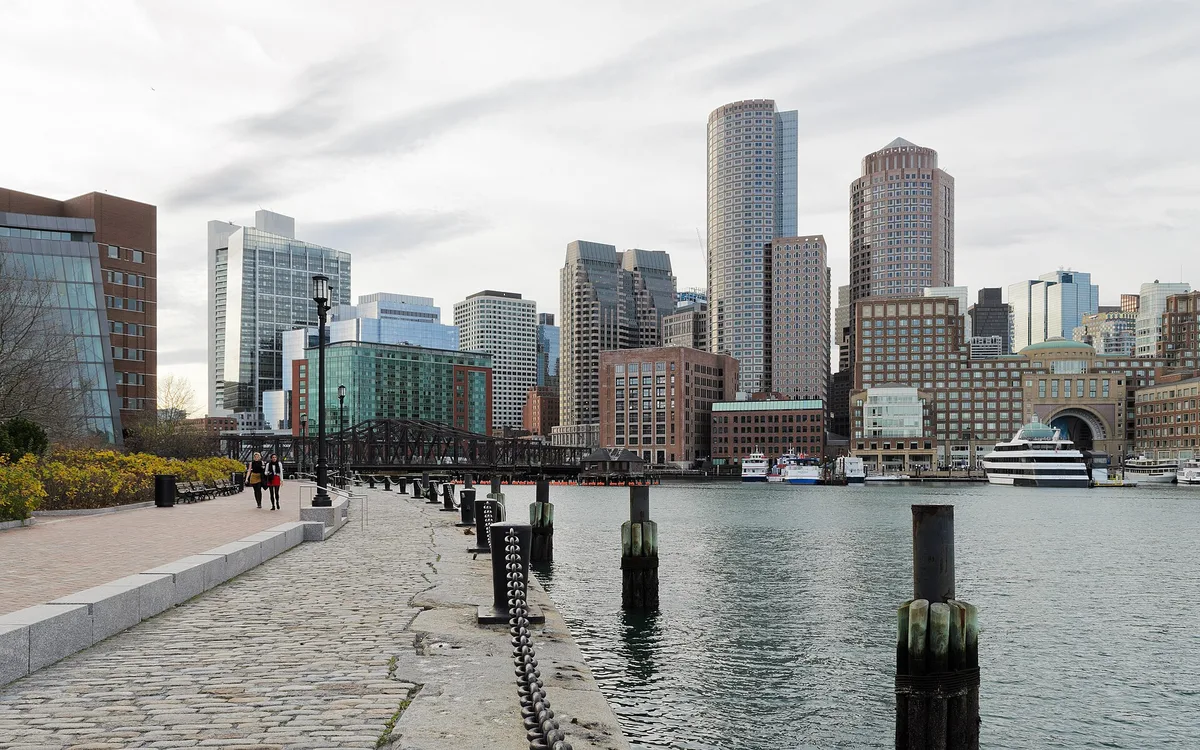
Boston pairs a cost of living index of 162 — everyday life about 62% above the national average — with one of the densest concentrations of hospitals, universities, and research employers in the country, and a median home price of $865,000 against a median household income of $85,000. What the premium buys is real: an 83/100 Walk Score, genuine transit, biotech and healthcare job stability few metros can match, and a 4.9-million-person region that runs on education. The fit is healthcare professionals, academics, finance and tech workers, and graduates who stay to build careers; anyone else should run the budget twice. This guide lays out the costs, neighborhoods, schools, and trade-offs so you can decide whether Boston’s premium is worth it for you.
Quick Answer — Is Boston Worth Moving To?
Boston’s strongest case rests on an almost unmatched concentration of healthcare institutions, universities, and research-driven employers — assets that create job stability and an unusually high quality of civic and intellectual life. The honest challenge is cost: with a cost of living index of 162 and a median home price of $865,000, Boston demands a high income or a carefully managed budget. It’s best suited for healthcare professionals, academics, finance and tech workers, and students who plan to stay and build careers after graduation.
At a Glance: Boston by the Numbers (2025)
| Metric | Boston |
|---|---|
| Population | 673,000 (city); 4.9M (metro) |
| Median home price | $865,000 |
| Cost of living index | 162 (U.S. avg = 100) |
| Median household income | $85,000 |
| Unemployment rate | 4.4% |
| Average commute | 31 minutes |
| Walk Score | 83/100 |
| Niche overall grade | B+ |
| Crime index | Above U.S. average (improving) |
| School district grade | B |
| Average summer high | 81°F |
| Average winter low | 22°F |
| Annual sunshine days | 200 |
Boston’s numbers paint a portrait of a high-cost, high-reward city: the median household income of $85,000 trails significantly behind housing costs, but strong employment fundamentals and exceptional transit infrastructure help offset the financial pressure for those who plan well.
Cost of Living in Boston
As of 2025, Boston’s cost of living index sits at 162 — meaning everyday expenses run roughly 62% above the national average, according to Sperling’s BestPlaces. That places Boston among the top five most expensive cities in the contiguous United States, in the same tier as San Francisco and New York. Housing is the dominant driver, but groceries, utilities, and healthcare all run above national benchmarks as well. Massachusetts levies a flat 5% state income tax, which is moderate by high-cost-state standards but still a factor worth building into your budget before you accept a job offer or sign a lease.
On the transit side, Boston’s MBTA subway system — known locally as the T — can meaningfully offset car ownership costs. With a Walk Score of 83 and extensive commuter rail coverage, many residents live comfortably without a vehicle, eliminating insurance, parking, and maintenance expenses that can easily exceed $500–$700 per month in an urban environment. If your employer is near a T stop, factor that heavily into your neighborhood search.
Housing Market Snapshot
The Boston housing market as of 2025 is among the most competitive in the country, driven by persistent undersupply and relentless demand from the university and biotech sectors. The median home price in the city proper sits at $865,000, according to Zillow and Realtor.com data. Renters face similarly steep costs: a one-bedroom apartment typically runs $2,800–$3,200 per month, while two-bedroom units average $3,500–$4,200 per month. Multiple-offer situations are common, and inventory moves quickly. If you’re relocating for work, securing housing before your start date — rather than searching after arrival — is strongly advised.
## Jobs and EconomyBoston’s economy is built on four pillars that have proven remarkably resilient: healthcare, biotechnology, finance, and education. The region’s top employers as of 2025 include Mass General Brigham, Boston Children’s Hospital, Fidelity Investments, State Street Corporation, and Boston University — a mix that reflects the city’s unusual depth across multiple high-wage industries. The Longwood Medical Area and Kendall Square in nearby Cambridge form one of the world’s premier biotech and pharmaceutical research clusters, drawing talent and capital from across the globe.
The finance sector, anchored by Fidelity and State Street, adds another layer of stability. The education and research economy — spanning more than 40 colleges and universities in the metro — sustains a constant pipeline of skilled workers and supports an entrepreneurial ecosystem that regularly spins out startups. The statewide unemployment rate stands at 4.4% according to the Bureau of Labor Statistics, and the $85,000 median household income reflects the prevalence of professional and graduate-degree roles. Remote and hybrid workers in tech will also find Boston well-positioned, with fast internet infrastructure and a large community of distributed workers.
Neighborhoods in Boston: Where to Live
Boston’s neighborhoods have distinct personalities, price points, and demographics — choosing the right one matters as much as choosing the city itself. Here are four of the most popular areas for newcomers.
-
Back Bay: Back Bay is what most people picture when they imagine Boston — elegant brownstones lining tree-canopied streets, with Newbury Street offering some of the best shopping and dining in New England. It’s an affluent, polished neighborhood favored by professionals and couples who want walkability and prestige. Proximity to the Prudential Center and multiple Green Line stops makes commuting straightforward, but you’ll pay a premium for the address.
-
South End: The South End is one of the most vibrant and diverse neighborhoods in the city, defined by Victorian row houses, a nationally recognized restaurant scene, and a welcoming LGBTQ+ community. Young professionals and creatives are drawn to its energy and relative accessibility compared to Back Bay. The neighborhood has gentrified significantly over the past decade, but it retains a layered, community-oriented feel that more polished neighborhoods sometimes lack.
-
Jamaica Plain: Known locally as JP, this neighborhood offers a more affordable entry point into Boston without sacrificing character. It’s eclectic and artsy, with a genuinely diverse population spanning families, young creatives, and longtime residents. Jamaica Pond anchors the neighborhood’s outdoor life, and the Orange Line provides decent access to downtown. For those priced out of Back Bay or the South End, JP is often the first serious alternative to consider.
-
Charlestown: One of Boston’s oldest neighborhoods, Charlestown combines historic architecture — particularly its iconic townhouses — with a waterfront setting near the Navy Yard. It skews toward young families and has seen sustained investment over the past decade. The neighborhood is quieter than the South End but benefits from proximity to downtown and easy highway access.
For those open to the broader metro, Cambridge (home to Harvard and MIT), Worcester, and Providence RI offer lower costs while remaining connected to Boston’s job market.
## Schools, Safety, and Quality of LifeSchools: Boston Public Schools holds a B grade from Niche as of 2025, reflecting a system with genuine standout programs — including the Boston Latin School, one of the oldest public schools in the country — alongside persistent achievement gaps and resource disparities common to large urban districts. Families with school-age children should research individual school assignments carefully, as quality varies significantly by neighborhood. Beyond K–12, the metro’s university ecosystem is unparalleled: Harvard, MIT, Boston University, Northeastern, and Tufts are all within a short commute, and the presence of these institutions shapes the intellectual culture of the entire region.
Safety: Boston’s violent crime rate runs above the national average — 37.3 per 1,000 residents compared to a national rate of 22.7, according to FBI Uniform Crime Report data — but the trend line is encouraging, with rates declining toward historic lows in recent years. As with most large cities, crime statistics are heavily shaped by neighborhood. Back Bay, Charlestown, and the Seaport District tend to post lower crime figures than the citywide average, while other areas require more situational awareness. Researching specific neighborhoods using tools like NeighborhoodScout before committing to a lease is worthwhile.
Quality of Life: On balance, Boston’s quality of life is genuinely high for those who can absorb the costs. Mass General and Brigham and Women’s are routinely ranked among the best hospitals in the world, meaning access to top-tier healthcare is a realistic benefit — not just a marketing claim. The MBTA, while imperfect, provides genuine alternatives to car ownership, and the city’s Walk Score of 83 means that daily errands, dining, and recreation are accessible on foot in most central neighborhoods.
Climate and Weather in Boston
Boston has four distinct seasons, and honesty requires acknowledging that two of them are demanding. Summers are warm and pleasant, with average highs around 81°F, and the city comes alive with outdoor events, harbor activity, and accessible green space. Fall is legitimately spectacular — the foliage in and around Boston ranks among the best in the country, and the months of September and October are widely considered the city’s best. Winter is the trade-off: average lows of 22°F, nor’easters that can dump a foot or more of snow overnight, and a heating season that runs long. Boston averages around 200 sunshine days annually per NOAA data, which is respectable for a northeastern city, but the winters are real and worth preparing for — both mentally and in terms of housing insulation and utility costs. Coastal flooding is an emerging concern for low-lying neighborhoods near the harbor, a factor worth considering when evaluating long-term real estate.
Things to Do in Boston: Top Attractions and Day Trips
Boston is a city with genuine historical weight, a sports culture that borders on religion, and a food scene that has earned national recognition. Whether you’re visiting before a move or settling in for the long term, the city rewards exploration on foot and by transit.
-
Freedom Trail: The Freedom Trail is a 2.5-mile walking route through downtown Boston connecting 16 sites from the American Revolution, including the Massachusetts State House, Paul Revere’s House, and the USS Constitution. It’s entirely self-guided (free) or available with a ranger-led tour, and it offers one of the most accessible and genuinely informative urban history experiences in the country. Allow two to three hours for the full route.
-
Fenway Park: Opened in 1912, Fenway Park is the oldest active ballpark in Major League Baseball and one of the most iconic sports venues in the world. Catching a Red Sox game here is a rite of passage for any Boston resident — the atmosphere on a summer evening is hard to replicate. Off-season and game-day tours are available and worth the trip even for casual sports fans.
-
Museum of Fine Arts: The MFA Boston holds one of the most comprehensive art collections in the Americas, with particular strength in American, ancient Egyptian, and Impressionist works. General admission runs approximately $27 for adults as of 2025, and the museum offers free admission on select evenings. Plan for at least three hours if you want to move through the permanent collection meaningfully.
-
Boston Common and Public Garden: Boston Common, established in 1634, is the oldest public park in the United States. Adjacent to it, the Public Garden offers beautifully maintained gardens and the beloved swan boats that have operated on its lagoon since 1877. Together they form the green heart of central Boston — ideal for a morning run, a family afternoon, or simply orienting yourself in a new city.
-
Faneuil Hall Marketplace: Faneuil Hall has served as a public market and meeting hall since 1743, and the surrounding marketplace is one of the most visited destinations in New England. Today it’s a mix of street performers, food stalls, local vendors, and national retailers. It skews tourist-heavy but remains a lively spot for an afternoon, particularly in warmer months.
Day trips from Boston: Cape Cod lies roughly 75 miles and 1.5 hours south, offering world-class beaches, seafood shacks, and a slower pace that makes it an ideal summer weekend escape. Salem, just 17 miles north (30 minutes by commuter rail), punches well above its size for history enthusiasts — the witch trials sites are only part of a genuinely rich historical and arts scene. Providence, Rhode Island is 50 miles south (about an hour by car or Amtrak), and its revitalized Downcity arts district and restaurant scene make it one of the Northeast’s most underrated city breaks.
## Moving to Boston: Your 90-Day Checklist90–60 days before:
- Research neighborhoods and set housing budget using Zillow or Realtor.com
- Get at least three moving company quotes (PODS, Allied, HireAHelper, or local movers)
- Research school enrollment deadlines if you have children
- Review Massachusetts’s 5% flat income tax implications
- Begin decluttering — book a self-storage unit if needed
60–30 days before: 6. Confirm moving company and lock in dates 7. Transfer medical and dental records; find new providers in Boston 8. Notify employer, bank, and subscriptions of address change 9. Research utility providers in Boston (Eversource, National Grid) and set up MBTA pass 10. Arrange short-term lodging if permanent housing won’t be ready immediately
First 30 days after arrival: 11. Transfer driver’s license and vehicle registration to Massachusetts 12. Register to vote at new address 13. Explore your neighborhood on foot using the attractions section above 14. Join local Facebook groups or Nextdoor for your neighborhood 15. File change of address with USPS if not already done
## Frequently Asked Questions About Living in BostonQ: Is Boston a good place to live? A: Boston earns a B+ overall grade from Niche as of 2025, reflecting strong fundamentals across healthcare, education, and employment. For people who can manage the cost of living, it offers an intellectually rich, walkable urban experience with world-class institutions. The honest trade-offs are housing costs and winters — both of which are significant but manageable with preparation.
Q: What is the cost of living in Boston? A: Boston’s cost of living index is 162 as of 2025, meaning it runs approximately 62% above the national average according to Sperling’s BestPlaces. It is consistently ranked among the five most expensive cities in the United States. Housing is the single largest driver of that premium, though groceries, utilities, and services all run above national benchmarks as well.
Q: Is Boston safe? A: Boston’s violent crime rate is above the U.S. average — 37.3 per 1,000 residents versus a national rate of 22.7 — but rates have been trending toward historic lows in recent years, according to FBI UCR data. Neighborhood variation is significant: Back Bay, Charlestown, and the Seaport District are notably safer than the citywide statistics suggest, while other areas warrant more caution. Researching your specific target neighborhood before signing a lease is always advisable.
Q: What are the best neighborhoods in Boston? A: Back Bay is the top choice for upscale professionals who want walkability and prestige. The South End offers a more diverse, culturally rich environment with a celebrated food scene and strong LGBTQ+ community. Jamaica Plain provides more affordability without sacrificing character, making it popular with families and creatives. Charlestown suits young families looking for historic charm and a quieter pace near the water.
Q: What is the job market like in Boston? A: Boston’s job market is anchored by world-leading healthcare, biotech, finance, and education sectors, with a statewide unemployment rate of 4.4% as of 2025 per the Bureau of Labor Statistics. The Kendall Square–Longwood Medical corridor makes the metro one of the top two or three biotech hubs globally. For qualified professionals in these fields, the Boston market is consistently strong.
Q: How far is Boston from New York City? A: Boston is approximately 215 miles from New York City by road — a drive that typically takes four or more hours depending on traffic, which can be severe on I-95 during peak times. By rail, Amtrak’s Acela express service covers the route in roughly 3.5–4 hours, while the slower Northeast Regional runs about 4–4.5 hours. Both options are practical for occasional trips but less suited for regular commuting.
Boston vs. Nearby Cities
Cambridge is effectively part of Boston’s urban core — separated only by the Charles River — and while it carries its own distinct identity as home to Harvard and MIT, its cost of living is comparable to Boston’s and its job market is deeply intertwined with the broader metro. Worcester, 45 miles west, offers significantly lower housing costs and a growing economy but fewer of Boston’s amenities and a longer commute for downtown jobs. Providence, Rhode Island, provides the most dramatic cost-of-living relief — housing runs roughly 40–50% less than Boston — while remaining accessible by Amtrak in under an hour. For a full comparison of Massachusetts cities and towns, see our Massachusetts state guide.
Sources and Data Notes
Data for this guide was drawn from the U.S. Census Bureau American Community Survey (2024), Bureau of Labor Statistics (2025), Niche.com, BestPlaces.net/Sperling’s Cost of Living Index, FBI Uniform Crime Reports, WeatherSpark, Walk Score, and Zillow/Realtor.com. Statistics reflect 2024–2025 data where available.