
Living in Columbus, GA: The Complete 2026 Relocation and Visitor Guide
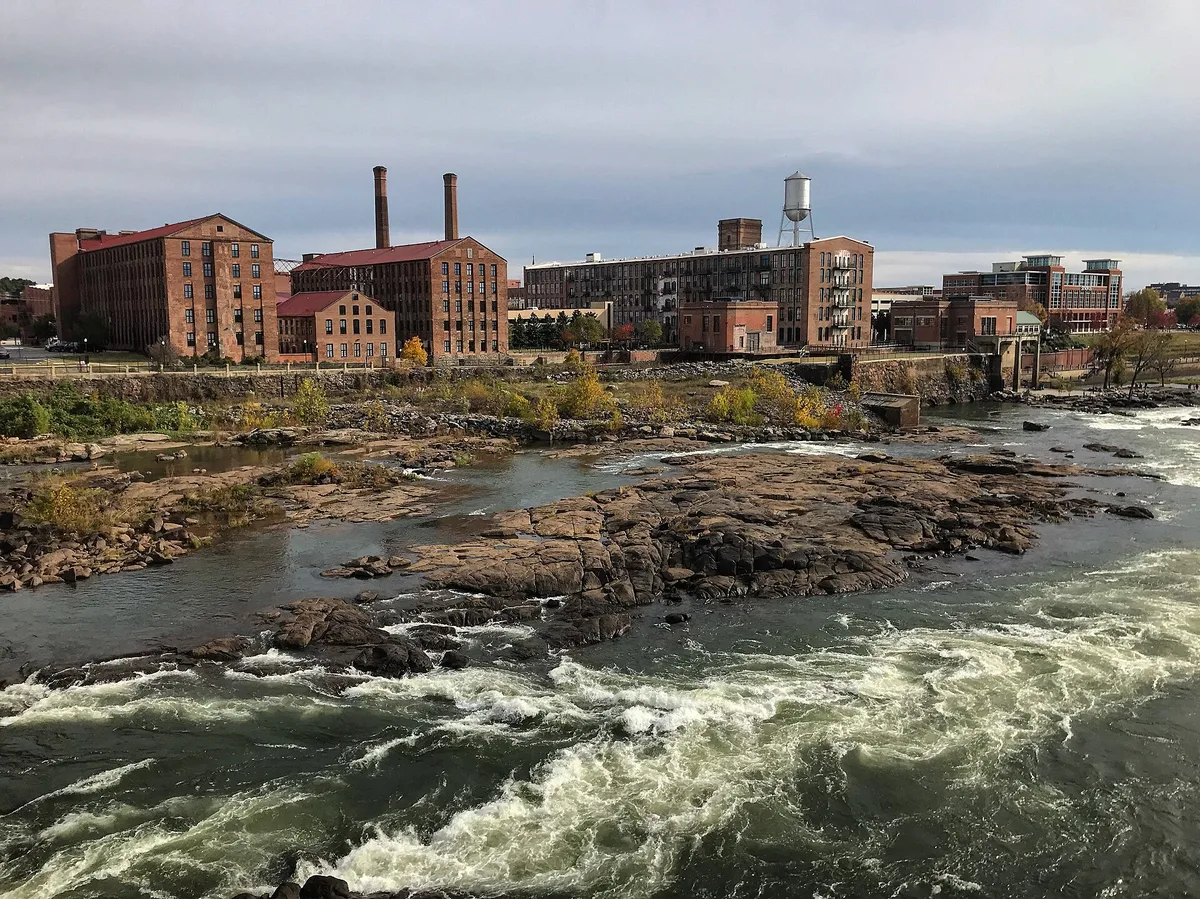
Columbus, Georgia prices everyday life 13% below the national average — median home $222,000 as of 2025 — in a city of 202,000 anchored by Fort Benning (Fort Moore from 2023 to 2025), the corporate headquarters of Aflac and TSYS, and the world’s longest urban whitewater course on the Chattahoochee River. The affordability carries sharp caveats: a crime index nearly double the national average and C-graded public schools make neighborhood selection critically important. Atlanta sits 100 miles northeast and Birmingham 90 miles northwest, close enough for weekend trips, far enough that Columbus stands on its own economy. For military families rotating through Fort Benning, veterans, defense contractors, and value-focused relocators, this guide lays out where the bargain is real — and where it needs a careful map.
Quick Answer — Is Columbus Worth Moving To?
Columbus, Georgia offers exceptional affordability — a cost of living index around 87 (13% below the national average) with a median home price of $222,000 as of 2025 — in a city with a stable, military-anchored economy and a genuine arts and outdoor recreation scene. It’s an especially strong fit for military families rotating through Fort Benning, veterans and defense contractors, and value-oriented relocators who want Southern warmth at a fraction of Atlanta’s cost. The honest trade-offs are a high citywide crime rate, below-average public schools, hot and humid summers, and limited walkability — factors that make neighborhood selection critically important.
At a Glance: Columbus by the Numbers (2025)
| Metric | Columbus |
|---|---|
| Population | 202,466 |
| Median home price | $222,000 |
| Cost of living index | 87 (U.S. avg = 100) |
| Median household income | $58,073 |
| Unemployment rate | 4.2% |
| Average commute | 17 minutes |
| Walk Score | 35/100 |
| Niche overall grade | C+ |
| Crime index | 196 (U.S. avg = 100; lower = safer) |
| School district grade | C (Muscogee County School District) |
| Average summer high | 91°F |
| Average winter low | 38°F |
| Annual sunshine days | 214 |
Columbus’s median household income of $58,073 as of 2025 is modest relative to the national median — a reflection of the city’s military-heavy wage structure and working-class economic profile. However, that income stretches further here than in most American cities: a cost of living index of 87 means your dollar purchases roughly 13% more than the national average, making the effective purchasing power meaningfully better than the raw income figure suggests.
Cost of Living in Columbus
Columbus’s overall cost of living runs about 13% below the national average, according to multiple sources including AmazingColumbusGA.com and AreaVibes. Housing is the primary driver: at roughly 48% below the national median home price, Columbus offers some of the most affordable homeownership in the Southeast. Groceries run approximately 3% below the national average, healthcare costs about 15% less than national norms, and utilities are close to average. Transportation costs are essentially national average, with Killeen being a car-dependent city where vehicle ownership is a budget reality. Georgia has a state income tax (with a flat rate transitioning to approximately 5.49% as of 2025), which partially offsets the housing savings relative to no-income-tax states like Texas and Florida.
Housing Market Snapshot
As of 2025, Columbus’s median home price sits at approximately $222,000 — placing it among the most affordable mid-size cities in the Southeast, roughly 48% below the national median. The market has been remarkably stable, with minimal year-over-year price swings. Median rent for a one-bedroom runs approximately $950–$1,100/month, and a two-bedroom averages $1,050–$1,300/month, according to AmazingColumbusGA.com and local market data. The consistent rotation of military families through Fort Benning maintains strong rental demand, making Columbus an attractive market for real estate investors as well as primary-home buyers.
---Jobs and Economy
Fort Benning — known as Fort Moore from 2023 until the Army restored the Benning name in March 2025, this time honoring World War I Corporal Fred G. Benning — is Columbus’s economic foundation, directly or indirectly supporting roughly one in five jobs in the metropolitan area. The base is home to the U.S. Army Infantry School, the Armor School, and the Maneuver Center of Excellence, making it one of the Army’s most critical training installations. Beyond the military, Columbus is a surprising corporate headquarters hub: TSYS (Total System Services), one of the world’s largest payment processing companies, is headquartered here and employs thousands. Aflac, the insurance giant famous for its duck mascot, has been headquartered in Columbus since 1955 and is one of the region’s largest private employers. Piedmont Columbus Regional (now Piedmont Medical Center) anchors the healthcare sector. Raytheon (now RTX) / Pratt & Whitney announced an investment of over $200 million in a Columbus manufacturing facility, signaling continued aerospace and defense growth. Synovus Financial — a major regional bank — is also Columbus-headquartered. The unemployment rate was approximately 4.2% as of 2025, below the national average, driven by the stable government and defense employment base.
Neighborhoods in Columbus: Where to Live
Columbus’s neighborhoods reflect the full range of a mid-size Southern city, from revitalized urban districts along the river to quiet suburban corridors in the north. Neighborhood selection is especially important given the citywide crime data. For additional residential options, see our guides to Phenix City, AL, Auburn, AL, and LaGrange, GA.
Uptown Columbus is the city’s most vibrant urban neighborhood, stretching along the Chattahoochee River with the 15-mile RiverWalk, independent restaurants, galleries, breweries, and the RiverCenter for the Performing Arts. Best for young professionals and veterans transitioning to civilian life who want walkable urban energy and a thriving food scene. Crime in Uptown is lower than many other parts of the city, and the ongoing investment in the district continues to improve the neighborhood’s trajectory. The RiverCenter for the Performing Arts serves as the neighborhood’s premier landmark.
North Columbus is the city’s most affluent and highest-demand residential corridor, with newer suburban construction, proximity to better-rated schools, upscale shopping, and notably lower crime than the citywide average. Best for families and professionals seeking safety and comfort in a traditional suburban format. The north Columbus retail and dining corridor along Veterans Parkway provides daily convenience.
Green Island Hills is a well-established east-side neighborhood with mid-century homes, mature landscaping, and a strong sense of community. Best for those who want an established neighborhood with good proximity to Fort Benning and reasonable commute distances. The Green Island Country Club is a neighborhood landmark and social hub.
Dinglewood/MidTown is a historic neighborhood near Columbus State University with modest bungalows, walkable streets, and a community-oriented feel. Best for educators, students, and budget-conscious buyers who want neighborhood character over suburban newness. Dinglewood Park provides a community green space in a walkable setting.
---Schools, Safety, and Quality of Life
Schools: The Muscogee County School District serves Columbus’s public school population and holds approximately a C overall grade from school rating services. The district faces challenges typical of large urban school districts in the South: socioeconomic diversity, high student mobility from military family rotation, and uneven performance across schools. Columbus State University (a University System of Georgia institution) and the new Mercer University School of Medicine provide strong higher education access and add a significant knowledge-economy component to the region. Parents willing to research specific schools within the district will find meaningful variation — some magnet and specialty programs within Muscogee County are significantly better than the district average.
Safety: Columbus’s crime rate is one of the city’s most significant challenges. According to FBI UCR and NeighborhoodScout data, Columbus reports approximately 29 crimes per 1,000 residents — placing it among the higher-crime mid-size American cities. The crime index of 196 (U.S. average = 100) reflects this reality. As with most cities of Columbus’s size and demographic profile, crime is not evenly distributed: North Columbus consistently ranks among the city’s safest areas, while certain older commercial corridors and inner-city neighborhoods account for a disproportionate share of incidents. Choosing a home in North Columbus or carefully researched parts of Uptown significantly improves the day-to-day safety experience.
Quality of Life: Columbus’s major hospital is Piedmont Columbus Regional (part of the Piedmont Healthcare system), offering Level II trauma care and a comprehensive range of specialty services. Active-duty personnel and eligible family members have access to Martin Army Community Hospital at Fort Benning. The pace of life is classic Deep South: warm, social, and unhurried, with a genuine sense of community particularly strong in military circles. Columbus has invested substantially in its riverfront and arts infrastructure over the past two decades, and the Uptown district rivals any small city in the South for food and entertainment quality.
Climate and Weather in Columbus
Columbus has a classic humid subtropical climate. Summers are long, hot, and genuinely muggy — temperatures regularly reach 90–95°F from June through September, and the combination of heat and humidity makes outdoor activities best suited for early mornings or evenings. Winters are mild and short: average January lows of 38°F with only occasional frost and rare snowfall. The city averages 214 sunny days per year — above the national average of 205 — and receives approximately 52 inches of annual rainfall, making it one of Georgia’s wetter cities. Spring and fall are excellent, with comfortable temperatures and beautiful weather for outdoor activities. Columbus sits in a moderate tornado risk zone (the “Dixie Alley” corridor of the Southeast), and occasional tropical weather systems bring heavy rainfall in late summer. Hurricane-related wind and rain impacts are possible but typically diminished by the time systems reach inland Georgia.
Things to Do in Columbus: Top Attractions and Day Trips
Columbus has assembled an impressive combination of military history, outdoor adventure, and arts culture that consistently surprises first-time visitors. The Chattahoochee River — the city’s defining geographic feature — drives both the whitewater recreation scene and the quality of the RiverWalk experience, while the concentration of military museums and history reflects the deep Army roots of the community.
-
National Infantry Museum — One of the finest military museums in the United States, located just outside Fort Benning and dedicated to the complete history of the U.S. Army Infantry from 1775 to the present. Features eight historical galleries, a WWII Company Street recreation, outdoor monuments, combat simulators, and a full-service restaurant. Free admission — a truly exceptional museum that rivals any in the country for scope and production quality.
-
Chattahoochee RiverWalk & Whitewater Park — A 15-mile riverfront trail running through the heart of Columbus, doubling as the world’s longest urban whitewater course. Whitewater Express offers family-friendly rafting trips and high-adrenaline whitewater adventures seven days a week, year-round. The RiverWalk is free and accessible; rafting trips vary by experience level and age.
-
National Civil War Naval Museum — The world’s only museum exclusively dedicated to the naval operations of the Civil War, featuring a partially reconstructed Confederate ironclad gunboat and compelling exhibits on inland waterway warfare. A genuine hidden gem, beloved by history enthusiasts and underappreciated nationally. Admission approximately $8 for adults.
-
Columbus Botanical Garden — A serene 36-acre garden showcasing native Georgia plants, the Joann Holt Walking Trail, and rotating seasonal displays. Free access most days; a popular destination for nature walks, photography, and family outings. Particularly beautiful in spring bloom season.
-
RiverCenter for the Performing Arts — Columbus’s premier performing arts venue, hosting Broadway touring productions, the Columbus Symphony Orchestra, and national comedy and music acts throughout the year. The crown jewel of Uptown Columbus’s cultural scene and a strong community anchor.
Day Trips: Providence Canyon State Park — “Georgia’s Little Grand Canyon” — lies 45 miles south (approximately one hour) and is one of Georgia’s seven natural wonders, featuring dramatically colorful sandstone canyons that rival natural formations found anywhere in the country. Warm Springs, 55 miles north (about one hour), is President Franklin D. Roosevelt’s preserved retreat town, featuring the Little White House Museum — a deeply moving piece of American history that sees far fewer visitors than it deserves. Atlanta, 100 miles northeast (approximately 1.5 hours), is the natural destination for major concerts, professional sports, the Georgia Aquarium, and big-city dining and cultural events.
---Moving to Columbus: Your 90-Day Checklist
90–60 days before:
- Research neighborhoods carefully — North Columbus and Uptown offer the best safety and lifestyle combination; use crime map tools alongside Zillow for home searches
- Get at least three moving company quotes (PODS, Allied, HireAHelper, or local movers)
- Research school enrollment deadlines for Muscogee County; investigate magnet and specialty school options early
- Review Georgia’s income tax structure and any military retirement income exemptions
- Begin decluttering — book a self-storage unit if needed
60–30 days before: 6. Confirm moving company and lock in dates 7. Transfer medical and dental records; Piedmont Columbus Regional and the Fort Benning medical network are the primary healthcare options 8. Notify employer, bank, and subscriptions of address change 9. Research utility providers — Columbus Water Works and Georgia Power handle most residential accounts 10. Arrange short-term lodging if needed; military families should contact Fort Benning housing early
First 30 days after arrival: 11. Transfer Georgia driver’s license and vehicle registration (within 30 days of establishing residency) 12. Register to vote at new address 13. Walk the Chattahoochee RiverWalk — it’s the best orientation to Columbus’s geography and community spirit 14. Join Columbus military spouse and veteran community Facebook groups — extremely active networks 15. File change of address with USPS if not already done
---Frequently Asked Questions About Living in Columbus
Q: Is Columbus, Georgia a good place to live? A: Columbus earns a C+ overall grade from Niche.com — reflecting a city with genuine strengths (exceptional affordability, stable military-corporate economy, outstanding outdoor and cultural infrastructure) alongside real challenges (elevated citywide crime, below-average public schools, intense summer heat). For military families and veterans, Columbus consistently delivers a better quality of life than its statistics suggest, particularly in North Columbus and Uptown. The National Infantry Museum alone is one of the finest attractions of any mid-size American city.
Q: What is the cost of living in Columbus, Georgia? A: Columbus’s cost of living index is approximately 87 as of 2025 — about 13% below the national average. The median home price of $222,000 is approximately 48% below the national median, making homeownership significantly more accessible here than in most U.S. cities. Georgia has a state income tax (approximately 5.49% flat rate), which offsets some of the housing savings compared to no-income-tax states.
Q: Is Columbus, Georgia safe? A: Columbus’s citywide crime rate is elevated — approximately 29 crimes per 1,000 residents based on recent FBI UCR data, giving it a crime index of 196 (U.S. average = 100). Crime is heavily concentrated in specific areas, and North Columbus and well-researched parts of Uptown offer day-to-day safety that is well above the citywide average. Researching specific neighborhoods and streets before choosing a home is essential.
Q: What are the best neighborhoods in Columbus? A: North Columbus is consistently ranked the safest and most desirable area for families, with newer construction and good school access. Uptown Columbus offers the best urban lifestyle and food scene, with improving safety. Green Island Hills appeals to those who want an established neighborhood with Fort Benning proximity. Dinglewood/MidTown suits budget-conscious buyers who value community character.
Q: What is the job market like in Columbus? A: Columbus’s unemployment rate was approximately 4.2% as of 2025. Fort Benning is the dominant employer, supporting roughly one in five metro jobs. TSYS, Aflac, Piedmont Columbus Regional, and Synovus Financial provide significant private-sector employment. Raytheon/Pratt & Whitney’s $200 million investment signals continued aerospace manufacturing growth. The city is a strong fit for defense contractors, healthcare workers, and financial services professionals.
Q: How far is Columbus from Atlanta? A: Columbus is approximately 100 miles southwest of Atlanta — typically a 1.5-hour drive on I-185 and I-85 under normal conditions. Atlanta’s Hartsfield-Jackson airport, professional sports, world-class restaurants, and major cultural events are all within comfortable day trip or weekend distance, making Columbus feel less isolated than its geography might suggest.
Columbus vs. Nearby Cities
Columbus’s most natural comparison points are Phenix City, AL (immediately across the Chattahoochee River), Auburn, AL, and LaGrange, GA. Phenix City offers even lower home prices than Columbus, with easy commute access to Fort Benning, but significantly fewer urban amenities and a smaller commercial base. Auburn, 35 miles southwest, is a vibrant college town anchored by Auburn University, with excellent quality of life ratings and a strong job market in education and technology — but median home prices run $50,000–$80,000 above Columbus’s. LaGrange, 65 miles northeast, is a smaller city with a charming downtown and growing industrial base, but far fewer amenities than Columbus. For full profiles, see our guides to Phenix City, Auburn, and LaGrange.
Sources and Data Notes
Data in this article is drawn from the following sources, primarily covering 2024–2025: U.S. Census Bureau / American Community Survey (population, income), Bureau of Labor Statistics (unemployment), Niche.com (school and city grades), AmazingColumbusGA.com / AreaVibes (cost of living, rental data), FBI Uniform Crime Reports / NeighborhoodScout (crime data), WeatherSpark / BestPlaces (temperature and sunshine averages), Redfin / DataUSA (housing market data), ChooseColumbusGA.com / Georgia Trend Magazine (employer data), and TripAdvisor / ExploreGeorgia.org (attractions and day trips). Data reflects conditions as of 2025 unless otherwise noted.