
Living in Orlando, Florida: The Complete 2026 Relocation and Visitor Guide
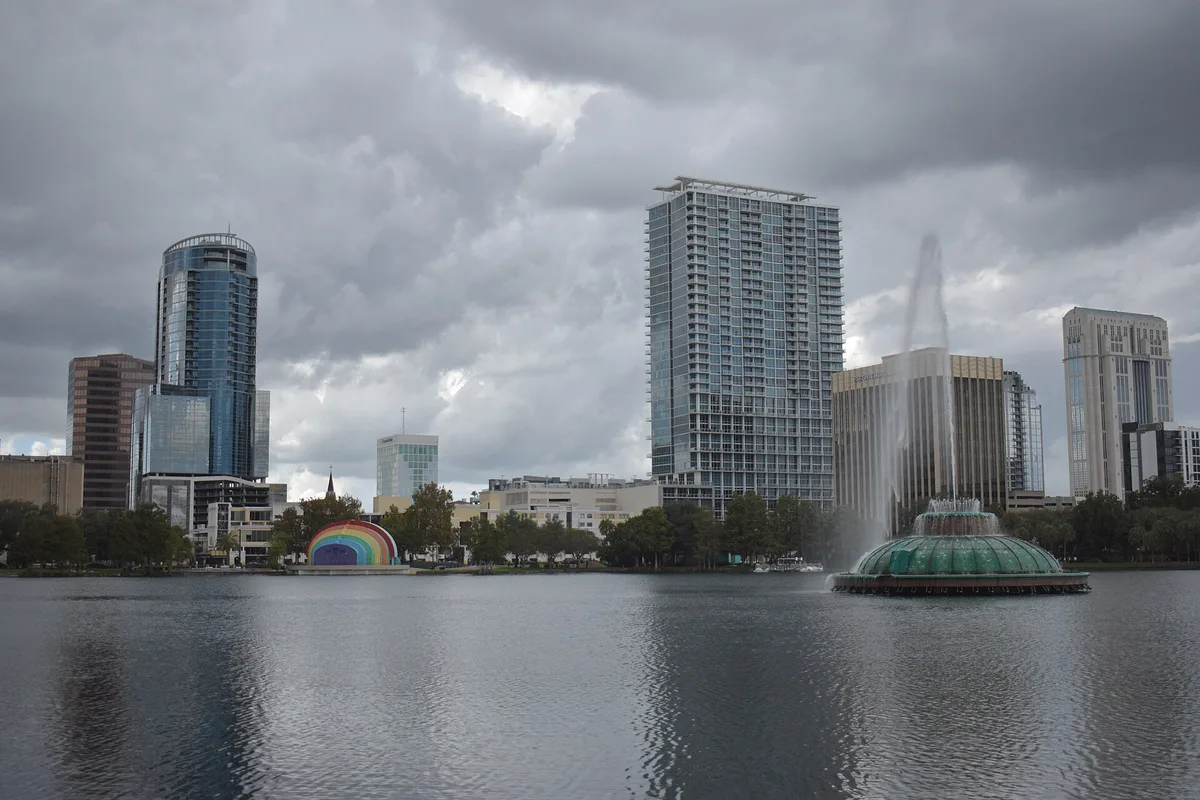
Orlando’s pitch is simple: a $380,000 median home, zero state income tax, and 51°F average January lows, in a metro of 2.7 million adding jobs at one of the fastest rates in the country. The economy has diversified well past the theme parks — healthcare, defense and aerospace, tech, film production, and the University of Central Florida (one of the nation’s largest) now share the payroll with tourism. The costs are climatic and structural: relentlessly hot, humid summers, real hurricane risk, and near-total car dependency. For families, remote workers, hospitality and defense professionals, and retirees from northern states, this guide covers what Central Florida living actually involves — beyond the parks that made the city famous.
Quick Answer — Is Orlando Worth Moving To?
Orlando is a strong relocation choice for a specific profile of mover — one who values warm weather, zero state income tax, moderate housing costs, and a growing economy — and a less obvious fit for those prioritizing walkability, dense urban culture, or low humidity. The cost of living index sits around 107, modestly above the national average. The job market has diversified meaningfully beyond tourism, with healthcare, defense, tech, and film production adding economic resilience. It’s especially well-suited for families, remote workers, theme park and hospitality professionals, defense and aerospace contractors, and retirees from northern states — though summers in Orlando are relentlessly hot and humid, hurricane risk is real, and the metro’s car dependency is near-total.
At a Glance: Orlando by the Numbers (2025)
| Metric | Orlando |
|---|---|
| Population | ~325,000 city / 2.7 million metro |
| Median home price | $380,000 |
| Cost of living index | 107 (U.S. avg = 100) |
| Median household income | $60,000 |
| Unemployment rate | 3.3% |
| Average commute | 28 minutes |
| Walk Score | 43/100 |
| Niche overall grade | B |
| Crime index | 142 (U.S. avg = 100; lower = safer) |
| School district grade | B |
| Average summer high | 92°F |
| Average winter low | 51°F |
| Annual sunshine days | 233 |
Orlando’s crime index of 142 is above the national average, concentrated primarily in the downtown urban core and specific tourist-corridor areas — while Lake Nona, Dr. Phillips, Winter Park, and most suburban communities well below national norms. The 233 sunshine days and 51°F average winter low are defining lifestyle assets, particularly for transplants from the Midwest or Northeast.
Cost of Living in Orlando
Orlando’s cost of living index of 107 means residents pay about 7% above the national average — a modest premium for year-round warmth, zero state income tax, and a housing market that remains well below coastal Florida peers. Median home prices of $380,000 are the same as Tampa and dramatically below Miami ($620K+), Naples, or any Southeast Florida market. Groceries run approximately 3–5% above national average. Utilities are a significant budget factor: year-round air conditioning drives monthly electric bills averaging $180–$230, and summer peaks can reach $300+. Car ownership is effectively mandatory in Orlando — the city has one of the lowest Walk Scores of any major Florida metro, and SunRail commuter rail serves limited corridors. Healthcare costs align closely with national norms, supported by AdventHealth and Orlando Health. Florida has no state income tax, which offsets Orlando’s modest COL premium significantly for working households.
Housing Market Snapshot
Orlando’s housing market has moderated from its 2021–2022 peak but remains active. Median home prices sit around $380,000 as of Q1 2025 (per Zillow), with most affordable options in Pine Hills, Sanford, and Kissimmee, and premium options in Winter Park, Dr. Phillips, and Lake Nona. Median rent for a 1-bedroom apartment runs approximately $1,600–$1,850/month; a 2-bedroom averages $1,950–$2,300. Florida homeowners’ insurance has risen sharply metro-wide — Orlando buyers should budget $3,500–$6,500 annually for homeowners’ insurance, a real cost-of-ownership factor beyond mortgage and taxes.
---Jobs and Economy
Orlando’s five largest employers tell the city’s real economic story: Walt Disney World Resort (75,000+ employees, the single largest U.S. single-site employer), AdventHealth, Orlando Health, Lockheed Martin, and the University of Central Florida. Tourism and hospitality remain the structural base of the economy — Universal Studios, SeaWorld, and dozens of supporting hotels, restaurants, and entertainment venues together employ over 200,000 workers in the greater metro. But Orlando’s economic diversification has been real and significant: the defense and aerospace sector, anchored by Lockheed Martin’s simulation division and the nearby Kennedy Space Center, employs tens of thousands. The tech sector has grown, with Electronic Arts (EA Sports), Darden Restaurants (Olive Garden, LongHorn Steakhouse parent), and a cluster of simulation and training technology firms — Orlando is the world’s leading center for military simulation and training systems. UCF’s research enterprise and medical school feed a growing bioscience corridor at Lake Nona (Medical City). The metro unemployment rate sits at 3.3%. (Sources: BLS; Metro Orlando Economic Development Commission.)
Neighborhoods in Orlando: Where to Live
Orlando’s neighborhood landscape spans charming historic bungalow districts, master-planned suburban communities, and sprawling resort corridors. Here are four areas that define the range.
Winter Park is the cultural and social crown jewel of the Orlando metro — a separate city adjacent to Orlando proper with a walkable Park Avenue shopping and dining strip, Rollins College, the Morse Museum of American Art (the world’s largest collection of Louis Comfort Tiffany work), and some of the most beautiful residential streets in Central Florida. Best for professionals, empty nesters, and families who want the most urban, walkable experience the metro offers. Median home prices range $550K–$1.2M; rental options are available but limited. Central Park and the chain of lakes define the neighborhood’s elegance.
Dr. Phillips / Sand Lake Road is an upscale western Orlando suburb known for the “Restaurant Row” on Sand Lake Road — arguably the highest concentration of quality restaurants in any stretch of Central Florida outside of Disney Springs. Adjacent to Universal Studios and the tourist corridor, it’s best for hospitality industry professionals and families seeking newer construction and good schools (Orange County public schools, several A-rated in this zone). Median home prices range $450K–$800K.
Lake Nona / Medical City is Orlando’s fastest-growing planned community in the southeast metro — a master-planned development that now includes the UCF College of Medicine, VA Medical Center, and multiple hospitals, alongside tens of thousands of new homes. Best for healthcare professionals, tech workers, and families seeking new construction with strong school assignments. Lake Nona earns consistent praise for design and infrastructure. Median home prices range $450K–$750K.
College Park is an established urban neighborhood northwest of downtown Orlando, built on grid streets around a series of small lakes, with an independent commercial strip on Edgewater Drive. It’s best for young professionals and creatives seeking affordable urban character closer to downtown. Median home prices range $350K–$600K. The neighborhood has benefited from downtown Orlando’s revitalization.
For context on comparable Florida metros, see our guides to [Tampa, Florida], [Miami, Florida], and [Jacksonville, Florida].
---Schools, Safety, and Quality of Life
Schools: Orange County Public Schools — Orlando’s primary school district — earns a Niche B, reflecting a mix of high-performing magnet schools and variable neighborhood performance in a large, diverse district. Standout public options include Lake Highland Preparatory School (private, rigorous), Dr. Phillips High School (A), and the Gifted and Talented program schools. Suburban options deliver consistently strong results: Seminole County Public Schools (north suburbs, Niche A-) is one of the best large districts in Florida. The University of Central Florida (UCF), with 70,000+ students, is the second-largest university in the United States; Rollins College in Winter Park is a highly regarded liberal arts institution; and Valencia College is a nationally recognized community college.
Safety: Orlando’s crime index of 142 is above the national average, driven by crime in the urban core, the tourist corridor (I-Drive and International Drive area), and Pine Hills (“Crime Hills” in local parlance). In practice, Winter Park, Dr. Phillips, Lake Nona, and most suburbs in Seminole County post crime rates at or below national norms. (Source: FBI UCR 2023.) Tourists and residents who stick to established residential neighborhoods and the upscale restaurant/shopping corridors rarely encounter safety issues. The city’s high transient population in the tourism zone contributes to elevated property crime statistics.
Quality of Life: AdventHealth and Orlando Health are the region’s dominant hospital systems, with AdventHealth Orlando designated a Level II trauma center and comprehensive cancer care facility. The theme parks are the region’s most obvious leisure asset, but many longtime residents treat Disney World and Universal as background amenities — the parks are there when you need an out-of-town guest itinerary, but daily life revolves around the lakes, farmers’ markets, and restaurant scene. Downtown Orlando’s Dr. Phillips Center for the Performing Arts is a nationally recognized performing arts venue. The Orlando Magic (NBA) provides professional sports; the NWSL’s Orlando Pride and USL’s Orlando City Soccer Club add soccer. Car dependency remains Orlando’s defining quality-of-life limitation — traffic on I-4 through the metro is routinely among Florida’s worst.
Climate and Weather in Orlando
Orlando’s climate is subtropical — warm, sunny, and wet for much of the year, with a summer rainy season that brings daily afternoon thunderstorms from June through September. Summer highs average 92°F with high humidity; the combination produces heat indices regularly exceeding 100°F. Unlike coastal Florida, Orlando sits in the interior of the peninsula, moderating but not eliminating hurricane risk — the area typically experiences hurricane winds and flooding from storms that make landfall on either coast and cross the peninsula. The 2004 season (four hurricanes in six weeks) remains the benchmark event. Winters are genuinely mild: January lows average 51°F, and frost is rare. The 233 sunshine days and warm November-through-April shoulder season explain why Orlando consistently ranks among the top destinations for northern retirees and remote workers. Flood insurance is advisable in lower-lying areas. (Source: NOAA; WeatherSpark.)
Things to Do in Orlando: Top Attractions and Day Trips

Orlando’s leisure identity is globally synonymous with theme parks, but the city’s daily lifestyle is built around a different set of pleasures — independent restaurants, chain-of-lakes recreation, a growing craft brewery scene, and the genuine college-town energy that 70,000 UCF students bring to the east side of the metro.
-
Walt Disney World Resort — The most visited theme park resort on Earth occupies 40 square miles of southwest Orlando, with four theme parks (Magic Kingdom, EPCOT, Hollywood Studios, Animal Kingdom), two water parks, and Disney Springs shopping and dining. For Orlando residents, Disney is both a neighborhood amenity and a unique employment anchor. Annual passes start around $400; locals use off-peak weekdays to avoid crowds. The resort’s sheer scale — from Tiffins to Be Our Guest to Oga’s Cantina — delivers genuine world-class dining and entertainment alongside the rides.
-
Universal Orlando Resort — Two theme parks (Universal Studios, Islands of Adventure) and the CityWalk entertainment complex make Universal the most technologically advanced theme park destination in Orlando — and arguably the world for thrill ride quality. The Wizarding World of Harry Potter across both parks is the standout immersive experience. Epic Universe, Universal’s third theme park opening in 2025, is the most significant addition to the Orlando theme park landscape in 25 years.
-
Winter Park Scenic Boat Tour and the Morse Museum — The best low-key Orlando experience for non-theme-park visitors. The 1-hour pontoon boat tour winds through Winter Park’s chain of lakes and canals, passing lakefront mansions and live oak-shaded estates. The Morse Museum houses the world’s most complete collection of Louis Comfort Tiffany art glass in a beautiful Park Avenue setting. Admission approximately $5 for the museum. Pair with brunch on Park Avenue for a perfect Winter Park morning.
-
Wekiwa Springs State Park — One of Florida’s best natural spring parks, 20 minutes north of downtown Orlando. Wekiwa Spring maintains a year-round temperature of 68°F and offers swimming, kayaking, camping, and nature trails in a setting that feels genuinely wild — a striking contrast to the metro’s suburban character. Admission approximately $6/vehicle; spring swimming is best May through September.
-
Dr. Phillips Center for the Performing Arts — A world-class performing arts venue in downtown Orlando, the Dr. Phillips Center opened in 2014 and has established itself as one of the Southeast’s premier touring Broadway, concert, and ballet destinations. The Steinmetz Hall, opened in 2022, is engineered as one of the most acoustically perfect concert halls in the United States.
-
Mills 50 District and Downtown Food Scene — Orlando’s Mills 50 neighborhood along Mills Avenue and Colonial Drive is the metro’s most diverse and independent food corridor — Vietnamese, Thai, and contemporary American restaurants clustered in a funky commercial strip. The Milk District and Thornton Park neighborhoods add cocktail bars and brunch spots. Taken together, Orlando’s independent restaurant scene has grown significantly beyond its theme-park-adjacent reputation.
Day Trips: Tampa is 80 miles southwest — 75–90 minutes on I-4 — the most natural day trip destination, with Busch Gardens, Clearwater Beach, and Ybor City. Kennedy Space Center is 45 minutes east on SR-528 — a genuine bucket-list day trip with real space hardware. Daytona Beach is 60 miles north. St. Augustine, the oldest city in the U.S., is 90 minutes northeast on I-95. Crystal River (manatee snorkeling) is 90 minutes northwest.
---Moving to Orlando: Your 90-Day Checklist
90–60 days before:
- Research neighborhoods and set housing budget using Zillow or Realtor.com — compare Winter Park and College Park (urban character) with Lake Nona and Dr. Phillips (newer construction, strong schools)
- Get at least three moving company quotes (PODS, Allied Van Lines, HireAHelper, or local movers)
- Research school enrollment and magnet application deadlines if you have children — Seminole County School of Choice and Orange County IB magnet programs have application windows
- Review Florida’s zero state income tax and calculate net annual savings vs. your current state
- Begin decluttering — book a self-storage unit if needed
60–30 days before: 6. Confirm moving company and lock in dates — October–April move windows fill quickly 7. Transfer medical and dental records; find new providers — AdventHealth and Orlando Health both have extensive primary care networks 8. Notify employer, bank, and subscriptions of address change 9. Research utility providers (Duke Energy Florida or OUC for electric; City of Orlando utilities) and set up accounts; budget for summer cooling 10. Obtain flood zone designation for your property from FEMA and purchase flood insurance if in a flood zone
First 30 days after arrival: 11. Transfer driver’s license and vehicle registration to Florida — visit a Florida DMV within 30 days of establishing residency 12. Register to vote at new address 13. Explore Winter Park on foot and try the Scenic Boat Tour — the best first impression of Central Florida’s natural character 14. Join local Facebook groups or Nextdoor for your neighborhood 15. File change of address with USPS if not already done
---Frequently Asked Questions About Living in Orlando
Q: Is Orlando a good place to live? A: Orlando earns a Niche B grade overall, reflecting warm weather, zero state income tax, a growing economy beyond tourism, and a housing market significantly more affordable than coastal Florida. The honest trade-offs are a relentlessly hot and humid summer from June through September, near-total car dependency, a crime index above the national average in the urban core, and rising homeowners’ insurance costs. For the right household — particularly families, healthcare workers, defense contractors, and remote workers from the Northeast — Orlando offers excellent value.
Q: What is the cost of living in Orlando? A: Orlando’s cost of living index is approximately 107, about 7% above the national average. Median home prices sit around $380,000 as of 2025. Florida’s zero state income tax is the most significant net financial benefit — a household earning $120,000 moving from New York saves approximately $8,000–$12,000 annually in state taxes. Homeowners’ insurance premiums have risen sharply and should be budgeted at $3,500–$6,500 per year. (Source: BestPlaces/Sperling’s; Zillow Q1 2025.)
Q: Is Orlando safe? A: Orlando’s crime index of 142 is above the national average, driven by property crime in the urban core and the tourist corridor. Winter Park, Lake Nona, Dr. Phillips, and the Seminole County suburbs post crime rates at or below national norms. Pine Hills and the immediate downtown area have higher crime concentrations. Most residents in established suburban and urban residential neighborhoods experience Orlando as a safe place to live day-to-day. (Source: FBI UCR 2023.)
Q: What are the best neighborhoods in Orlando? A: Winter Park is the premier choice for walkability and cultural life, with Park Avenue dining and the Morse Museum. Dr. Phillips offers upscale suburban living near Restaurant Row and Universal Studios. Lake Nona is best for healthcare professionals and families seeking new construction and strong school assignments. College Park offers urban character and proximity to downtown Orlando at more accessible price points.
Q: What is the job market like in Orlando? A: Orlando’s metro unemployment rate sits at 3.3%. Walt Disney World is the largest single-site employer in the U.S. The broader metro is diversified across healthcare (AdventHealth, Orlando Health), defense and simulation technology (Lockheed Martin, the military simulation corridor along I-Drive), education (UCF, with 70,000+ students), and hospitality management. The tech sector has grown steadily, and Lake Nona’s Medical City is emerging as a biotech and research employment cluster. (Source: BLS; Metro Orlando Economic Development Commission.)
Q: How far is Orlando from Tampa and Miami? A: Orlando is approximately 80 miles from Tampa — about a 75–90 minute drive southwest on I-4, making it one of the most accessible day trips in the state. Miami is roughly 235 miles southeast, a 3.5–4 hour drive on Florida’s Turnpike. Orlando International Airport (MCO) is one of the nation’s busiest, with direct flights to most major U.S. cities and international destinations.
Orlando vs. Nearby Cities
Orlando (COL 107, median home $380K) is effectively identical in cost to Tampa (COL 107, $380K), making the choice between them a lifestyle decision rather than a financial one. Tampa offers Gulf beach access within 30–45 minutes and a more vibrant urban core in Ybor City and Hyde Park; Orlando delivers the theme park ecosystem and warmer winters less prone to cold snaps. Against Jacksonville (COL 100, ~$315K), Orlando is pricier but offers more entertainment infrastructure and a faster-growing job market. Compared to Miami (COL 130+, $620K+), Orlando is dramatically more affordable with similar tax benefits and weather, though Miami’s international culture, nightlife, and culinary scene are unmatched in Florida. For full profiles of these cities, see our guides to [Tampa, Florida], [Miami, Florida], and [Jacksonville, Florida].
Sources and Data Notes
Data sourced from U.S. Census Bureau / American Community Survey (2023), Bureau of Labor Statistics (2024), Niche.com (2024–2025 grades), BestPlaces.net / Sperling’s Cost of Living Index, FBI Uniform Crime Reports (2023), WeatherSpark / NOAA climate normals, Walk Score (2024), and Zillow / Realtor.com (home price and rent data, Q1 2025). Flood risk data sourced from FEMA National Flood Hazard Layer and Florida Division of Emergency Management. All figures cited “as of 2025” reflect the most current available data at time of publication.
Title tag: Living in Orlando, FL (2025): Cost of Living, Jobs & Neighborhoods Guide Meta description: Thinking about moving to Orlando? Our 2025 guide covers cost of living (index 107), median home prices ($380K), no Florida income tax, Disney and defense jobs, best neighborhoods, and what life is really like beyond the theme parks. Primary keyword: living in Orlando Florida Secondary keywords: Orlando cost of living, Orlando neighborhoods, moving to Orlando, Orlando Florida jobs, Central Florida relocation Internal links: Tampa FL, Miami FL, Jacksonville FL