
Living in Jacksonville, FL: The Complete 2026 Relocation and Visitor Guide
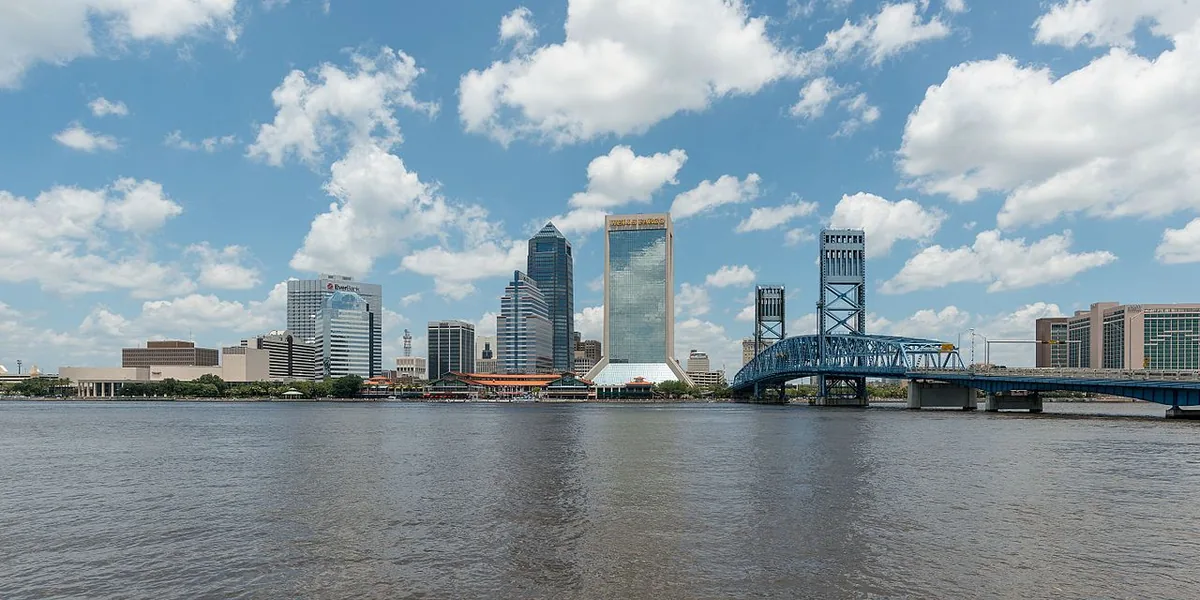
Jacksonville’s cost of living index sits at 95.7 as of 2026 — about 4% below the national average — for a city of 977,670 people with a median home price around $310,000, according to Redfin. That combination makes Jacksonville one of the most affordable large metros in Florida, undercutting Tampa, Orlando, and Miami by a wide margin, while a diversified economy anchored by Mayo Clinic, a “Wall Street of the South” banking cluster, and Florida’s busiest container port keeps unemployment at 3.5%. The counterweight: Jacksonville’s crime density runs well above the statewide average even after four straight years of decline, and the city’s sprawling, car-built footprint (Walk Score 26) means most daily errands happen behind a windshield rather than on foot. This guide is built for the mover comparing Florida cities on price, the PCS family headed to Naval Air Station Jacksonville, and the visitor scouting 22 miles of Atlantic coastline before committing to anything.
Quick Answer — Is Jacksonville Worth Moving To?
Jacksonville is Florida’s largest city by population and land area, known for below-average living costs, a diversified economy spanning healthcare, banking, logistics, and the military, and direct access to 22 miles of Atlantic coastline. The cost of living index of 95.7 sits below the national average of 100, and the job market is steady, with unemployment at 3.5% as of 2024. It’s an especially good fit for military families tied to Naval Air Station Jacksonville, healthcare workers drawn to Mayo Clinic’s Florida flagship campus, and budget-conscious movers who want Florida living without Miami or Tampa prices — though the above-average crime rate and near-total car dependence (Walk Score 26) are real trade-offs worth weighing before you sign a lease.
At a Glance: Jacksonville by the Numbers (2026)
| Metric | Jacksonville |
|---|---|
| Population | 977,670 |
| Median home price | ~$310,000 (Redfin median sale price, March 2026) |
| Cost of living index | 95.7 (U.S. avg = 100) |
| Median household income | $72,389 |
| Unemployment rate | 3.5% |
| Average commute | 24.6 minutes |
| Walk Score | 26/100 |
| Niche overall grade | B |
| Crime index | High relative to Florida average — 75 crimes/sq. mile vs. 39 statewide (no single composite index reported; see note below) |
| School district grade | B (Duval County Public Schools) |
| Average temperature, summer / winter | 92°F (July high) / 65°F (January high; lows dip into the 40s) |
| Annual sunshine days | 234 |
Jacksonville’s numbers describe a city that’s cheap to live in but expensive to get around without a car: the below-average cost index and median home price are the headline draw, while the 26 Walk Score and above-average crime density are the honest counterweights. The Niche B grade is inferred primarily from the Duval County school district rating rather than a separately published overall city grade — worth a direct check on Niche.com before you rely on it as a single number.
Cost of Living in Jacksonville
Jacksonville’s cost of living index of 95.7 as of 2026 means everyday expenses run about 4% below the national average, according to BestPlaces.net (Sperling’s) — a rare below-100 reading for a major Florida metro. Housing is the clearest driver: the median home price of roughly $310,000 sits about 31% below the national median, according to Redfin, and dramatically below Miami, Tampa, or Orlando. By category, BestPlaces puts Jacksonville utilities about 10.5% below the national average and healthcare roughly 15.8% below, while groceries run about 4.2% above, as of 2026. Transportation costs run higher than the sticker price suggests, since Jacksonville’s sprawling geography and car-dependent layout — a Walk Score of just 26 — mean most households need a reliable car regardless of neighborhood, unlike the tight walkable cores you’ll find in South Florida cities. Florida charges no state income tax, which stretches Jacksonville’s already-low cost basis further: a household relocating from a state with a 5% or higher income tax rate keeps meaningfully more of every paycheck here than the cost-of-living index alone suggests.
Housing Market Snapshot
Jacksonville’s median sale price sits around $310,000 as of March 2026, per Redfin — though listing prices run higher, with the Northeast Florida Association of Realtors reporting a median list price near $369,990 in April 2026. The market has moderated from its pandemic peak, with values easing through 2025 before stabilizing this spring, and now sits at 3.9 months of housing inventory, shifting toward seller-friendly after a glut in late 2025. Typical 1-bedroom rents run $1,200–$1,600 a month; 2-bedrooms run $1,500–$2,000. Riverside and San Marco command a premium; Mandarin and the Southside offer the best value for families.
## Jobs and EconomyJacksonville’s $100+ billion metro economy is one of the most diversified in Florida, and it shows in the top-five employer list: Mayo Clinic, Baptist Health, Naval Air Station Jacksonville, Florida Blue, and Amazon. Healthcare anchors the private sector — Mayo Clinic alone employs 8,450 people locally, and Baptist Health another 12,000 — while a major financial-services cluster including Bank of America, Wells Fargo, Citi, Deutsche Bank, and Florida Blue has earned Jacksonville the nickname “Wall Street of the South.” The Port of Jacksonville (JAXPORT) is Florida’s largest container port by volume, and logistics and supply-chain work now accounts for 13.2% of the local workforce. Naval Air Station Jacksonville and NAS Mayport add a substantial defense and federal presence. Total metro employment topped 750,000 for the first time in 2024, with 44% job growth projected over the next decade — 11 points above the national average, according to regional economic-development data. Unemployment sits at 3.5% as of 2024, per the Bureau of Labor Statistics.
Neighborhoods in Jacksonville: Where to Live
Jacksonville’s size means its neighborhoods span the full range, from historic walkable districts to sprawling beach towns 20 miles from downtown.
Riverside/Avondale is Jacksonville’s crown-jewel neighborhood — a nationally registered historic district of century-old oaks and restored homes along a walkable dining and arts corridor. It’s best for young professionals and creatives, and it’s the city’s most LGBTQ-inclusive area. Housing runs mostly historic single-family homes and apartments, with 1-bedroom units typically $1,400–$1,800; the Cummer Museum’s riverfront gardens anchor the neighborhood.
Mandarin offers old-Florida charm — moss-draped oaks, sprawling lots, and consistently top-rated schools that have made it Jacksonville’s #1-ranked neighborhood on Niche. It’s best for families who want suburban quiet with city access, with median home values around $350,000 and a mostly single-family housing stock.
San Marco centers on a walkable historic square ringed by boutiques, cafes, and restaurants, with St. Johns River views and craftsman bungalows. It’s popular with families and young couples who want charm within reach of downtown, and it sits close to some of the district’s stronger school options.
Jacksonville Beach delivers a relaxed Atlantic beach-town lifestyle — boardwalk, surfing, and fishing, with a livelier bar scene and a younger demographic than the rest of the city. It’s best for outdoor enthusiasts and beach devotees, with housing split between condos, beach cottages, and vacation rentals; homes starting near beach access run $400,000 and up.
For comparison, see our guides to nearby St. Augustine, Amelia Island/Fernandina Beach, and Gainesville.
## Schools, Safety, and Quality of LifeJacksonville schools fall under Duval County Public Schools, which earned a Niche B grade and, notably, the district’s first Florida Department of Education “A” rating in more than 20 years for the 2024–25 school year — a genuine turnaround worth knowing about if school performance factors into your decision. For adult learners and career changers, the metro is served by the University of North Florida (UNF, about 16,000 students), private Jacksonville University, and Florida State College at Jacksonville (FSCJ) — a public state college enrolling roughly 20,000 students across multiple campuses with extensive workforce and continuing-education programs, as of 2026. Jacksonville’s crime picture is best read as density rather than a single index: the city reports 75 crimes per square mile against a Florida statewide average of 39, according to NeighborhoodScout, but that headline number comes with real context — murders fell from 148 in 2023 to 76 in 2024, the fourth consecutive year of decline, and Riverside, Mandarin, and Deerwood post rates well below the citywide figure. Quality of life centers on Mayo Clinic’s Jacksonville campus, ranked Florida’s #1 hospital for eight of the last nine years by U.S. News & World Report, alongside Wolfson Children’s Hospital and UF Health Jacksonville. Getting around without a car is genuinely difficult — the Jacksonville Transportation Authority’s bus and Skyway network exists, but the city’s Walk Score of 26 reflects a metro built for driving, with bus commutes sometimes taking two hours to cover a 20-minute car trip. Sports culture runs deep, from Jaguars game days and the “DUUUVAL” fan chant to the annual Florida–Georgia football game, a tradition since 1933; LGBTQ+ residents describe the city as moderately welcoming, with 58% saying they’re usually treated well and Riverside/Avondale standing out as the most inclusive pocket.
Climate and Weather in Jacksonville
Jacksonville has a humid subtropical climate: summers (June–September) bring daily highs in the upper 80s to low 90s°F with near-daily afternoon thunderstorms, while winters are mild — January highs around 65°F, with lows dipping into the 40s and occasional brief freezes. Spring and fall are widely considered the best seasons, warm and sunny with lower humidity, and the metro logs 234 sunny days a year as of 2026. Hurricane risk is real and historical: Jacksonville sits in the Atlantic hurricane corridor and has taken significant impacts from Irma, Matthew, and Ian, with moderate tornado risk as well. Anyone house-hunting here should check FEMA flood-zone maps and budget for flood insurance in low-lying areas before making an offer, since the year-round outdoor lifestyle that 234 sunny days enables comes with a real storm-season obligation attached.
Getting In and Out of Jacksonville
Jacksonville International Airport (JAX) sits about 13 miles north of downtown — roughly a 20- to 25-minute drive up I-95 — and three interstates frame the metro: I-95 running north–south, I-10 heading west toward Tallahassee, and the I-295 beltway looping the city, as of 2026. Locally, the Jacksonville Transportation Authority (JTA) runs 37 bus routes, the First Coast Flyer bus-rapid-transit line, and the Jacksonville Skyway, a 2.5-mile automated people mover looping downtown, while a St. Johns River ferry connects the Northbank and Southbank. Car-free travel beyond downtown is difficult in practice — Jacksonville’s Walk Score of 26 reflects a metro built for driving — so residents and visitors planning around transit alone should expect JTA’s fixed routes to cover specific corridors rather than the whole city.
Things to Do in Jacksonville: Top Attractions and Day Trips
Jacksonville’s leisure identity runs on water and wilderness — 22 miles of Atlantic coastline, the St. Johns River, and the largest urban nature preserve in the country all shape how residents spend a weekend, with a genuine dinner-theatre tradition and an NFL franchise rounding out the picture.
- Jacksonville Zoo and Gardens — 500-plus acres on the Trout River with 2,000-plus animals, including a giraffe-feeding overlook and an Australian Adventure exhibit. It’s built for families, with adult admission around $23 and easy half-day visits.
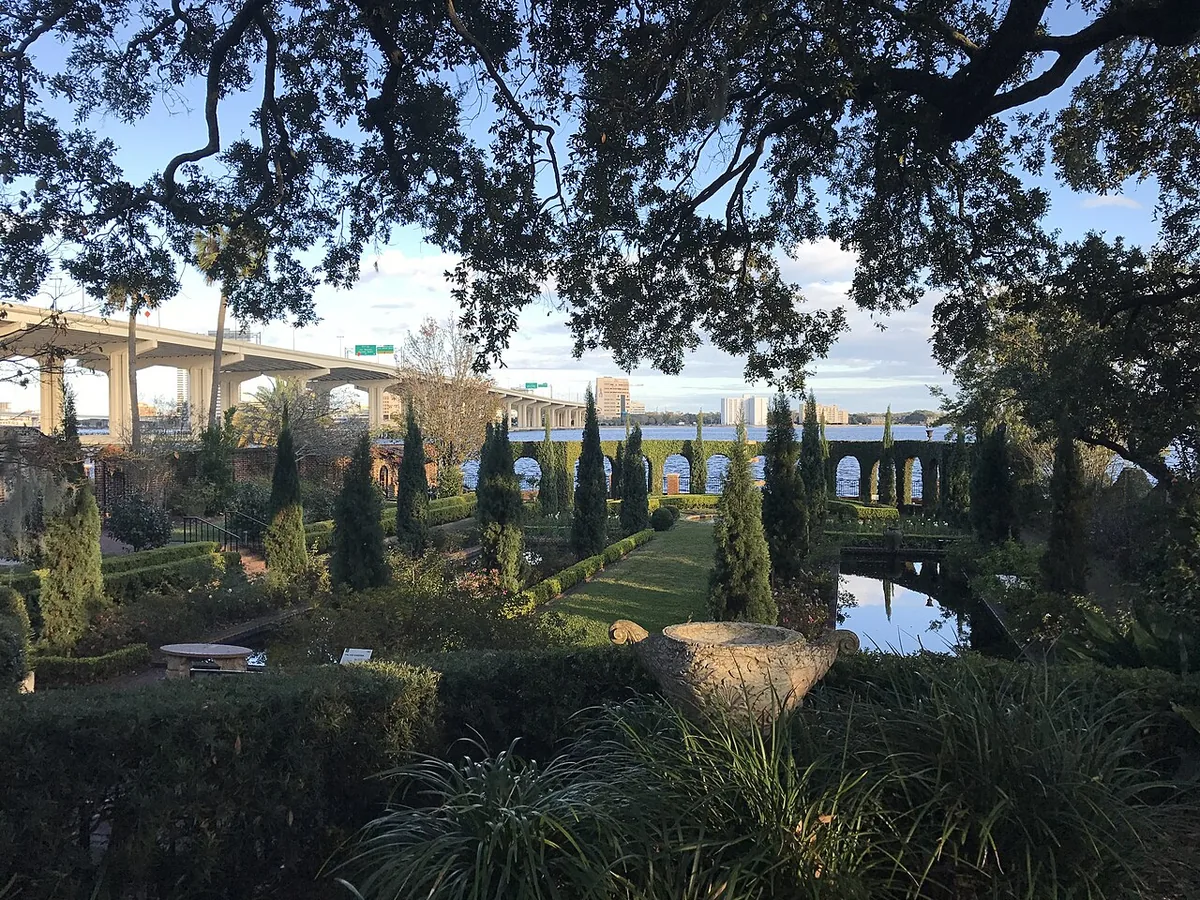
- Cummer Museum of Art and Gardens — A Riverside landmark holding 5,000-plus works spanning 4,000 years, set beside 2.5 acres of formal riverfront gardens. It appeals to art lovers and newcomers looking to plug into the local culture scene, and admission is free on Tuesdays.
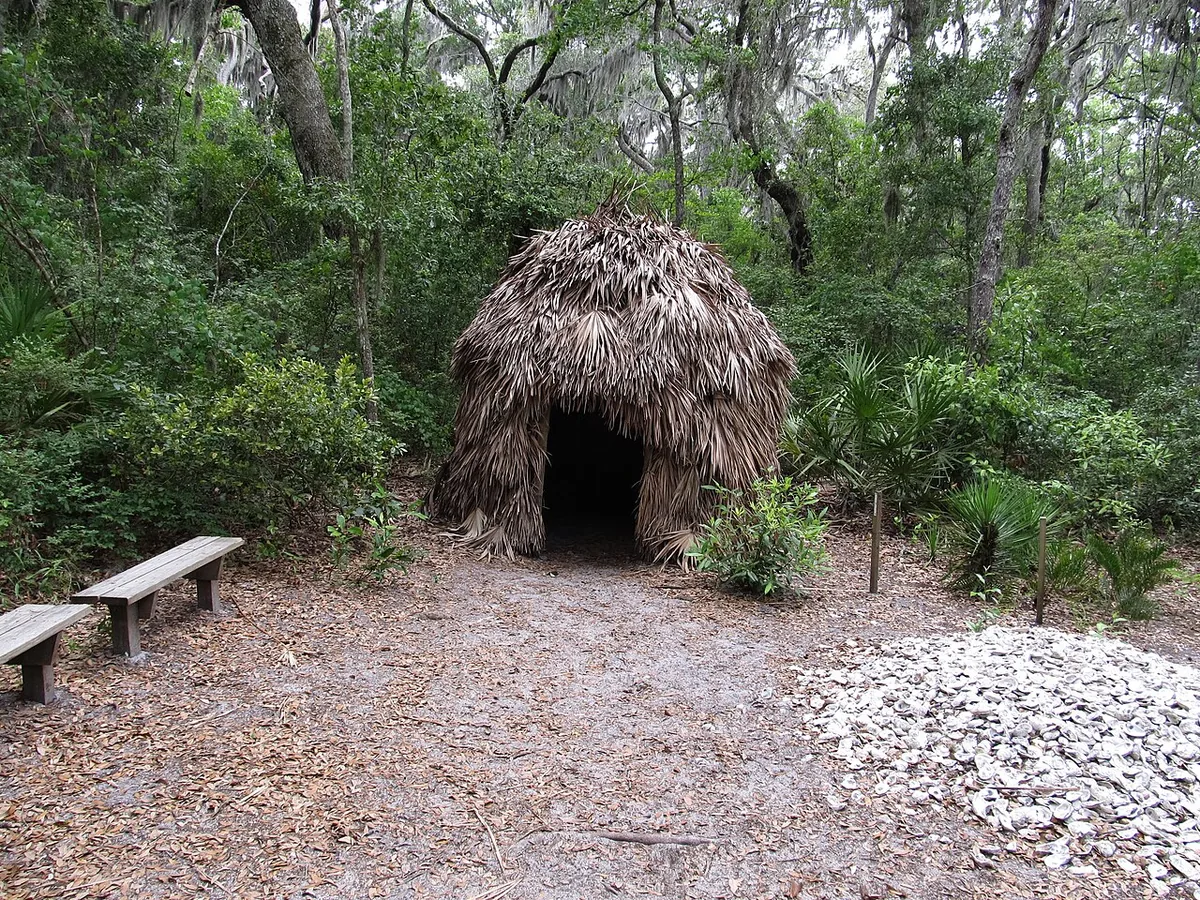
- Timucuan Ecological and Historic Preserve — A 46,000-acre national preserve of wetlands, marshes, and sea islands, free to enter and outstanding for kayaking, hiking, and birding. It’s the largest urban park of its kind in the U.S., and its calendar runs on the seasons rather than events — sea turtle nesting, migratory birding, and tidal-creek paddling all draw return visitors throughout the year.
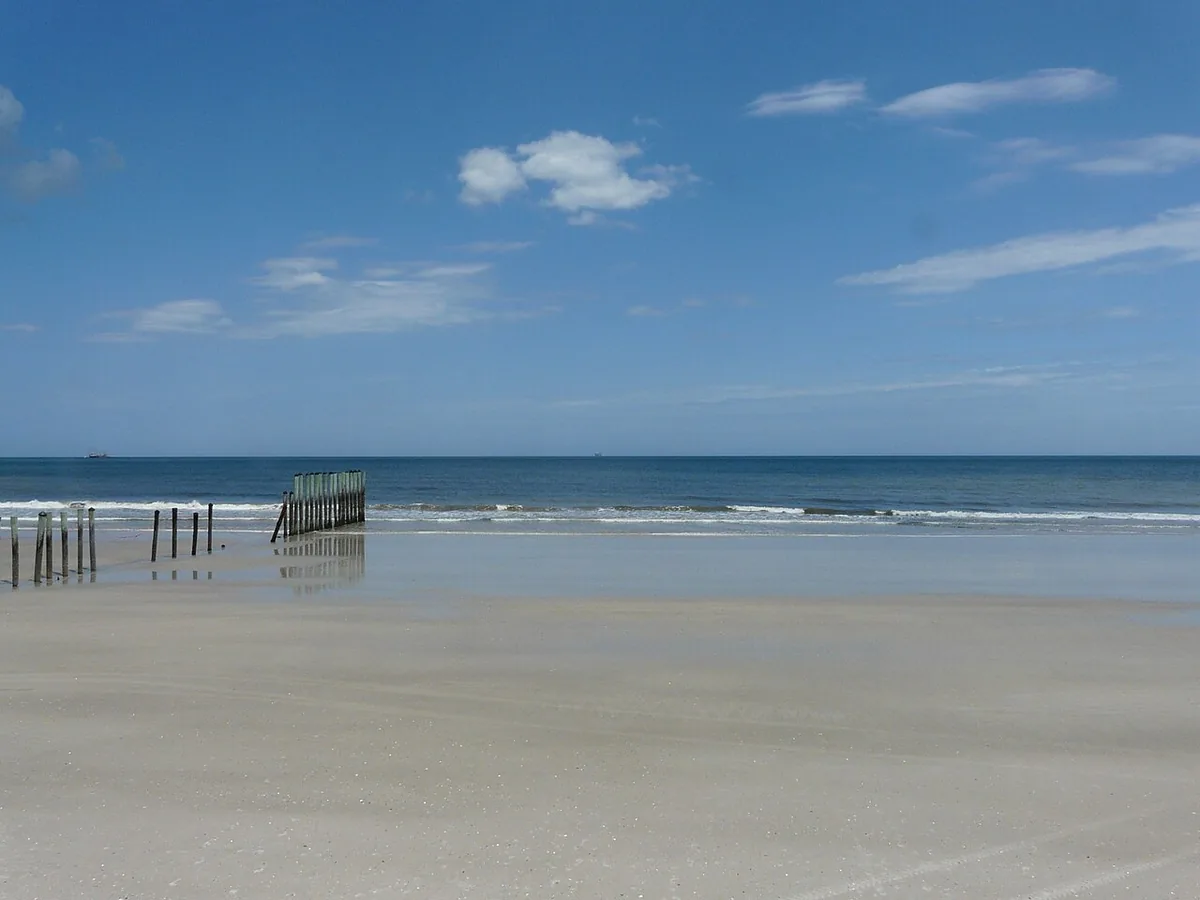
- Kathryn Abbey Hanna Park — 1.5 miles of Atlantic beach plus 20 miles of trails rated excellent for mountain biking, with a 60-acre freshwater lake for paddling and camping available on-site. It appeals to outdoor enthusiasts and families alike, for a $5 entry fee.
- Alhambra Theatre and Dining — The longest continuously running professional dinner theatre in the country, voted the #1 dinner theatre in the U.S. by USA Today in 2025. It pairs Broadway-style productions with full dinner service, appeals to couples and theatre fans, and requires reservations well in advance.
Day Trips: St. Augustine, the nation’s oldest European-settled city (founded 1565), is an hour south and delivers cobblestone streets, the Castillo de San Marcos fort, and a genuine bucket-list feel for a day trip. Amelia Island/Fernandina Beach is 30 minutes north, offering wide Atlantic beaches and a Victorian-era downtown. Ichetucknee Springs, 90 minutes west, keeps a constant 72°F for tubing and swimming inside a national forest — a quintessential North Florida summer outing.
## Moving to Jacksonville: Your 90-Day Checklist90–60 days before:
- Research neighborhoods and set a housing budget using Zillow or Realtor.com, comparing Riverside, Mandarin, and Jacksonville Beach based on commute and lifestyle priorities.
- Get at least three moving company quotes (PODS, Allied Van Lines, HireAHelper, or a local mover).
- Research Duval County Public Schools enrollment deadlines if you have children.
- Confirm your state income tax savings — Florida has none — and rebuild your budget around the new take-home number.
- Begin decluttering; book a self-storage unit if your move date and housing close date won’t line up.
60–30 days before: 6. Confirm your moving company and lock in dates, especially if moving during hurricane season (June–November). 7. Transfer medical and dental records; find new providers — Mayo Clinic, Baptist Health, and UF Health all have extensive primary-care networks. 8. Notify your employer, bank, and subscriptions of your address change. 9. Research local utility providers and set up accounts before arrival. 10. Obtain a FEMA flood-zone map for your specific property, and purchase flood insurance before closing if you’re in a flood zone.
First 30 days after arrival: 11. Transfer your driver’s license and vehicle registration to Florida. 12. Register to vote at your new address. 13. Explore your neighborhood on foot and by car — start with the Riverwalk-adjacent districts or your nearest beach. 14. Join local Facebook groups or Nextdoor for your neighborhood. 15. File your change of address with USPS if not already done.
## Frequently Asked Questions About Living in JacksonvilleQ: Is Jacksonville a good place to live? A: Jacksonville carries a Niche B grade, a below-national-average cost of living (index 95.7), and a diversified economy in healthcare, banking, and logistics. The honest trade-off is crime density well above the Florida average — though it has fallen for four straight years — and a car-dependent layout with a Walk Score of just 26.
Q: What is the cost of living in Jacksonville? A: Jacksonville’s cost of living index is 95.7 as of 2026, about 4% below the national average of 100, according to BestPlaces.net. The median home sale price sits around $310,000, roughly 31% below the national median, per Redfin.
Q: Is Jacksonville safe? A: Jacksonville reports 75 crimes per square mile against a Florida statewide average of 39, according to NeighborhoodScout — an above-average density, though murders have fallen for four consecutive years (from 148 in 2023 to 76 in 2024). Riverside, Mandarin, and Deerwood post crime rates well below the citywide figure, so neighborhood choice matters significantly.
Q: What are the best neighborhoods in Jacksonville? A: Riverside/Avondale offers walkable historic charm and the city’s most LGBTQ-inclusive scene; Mandarin is Jacksonville’s top-ranked neighborhood on Niche for families and schools; Jacksonville Beach delivers a relaxed Atlantic beach-town lifestyle for outdoor enthusiasts.
Q: What is the job market like in Jacksonville? A: Unemployment sits at 3.5% as of 2024, per the Bureau of Labor Statistics, with the economy anchored by healthcare (Mayo Clinic, Baptist Health), a major banking cluster (“Wall Street of the South”), JAXPORT logistics, and Naval Air Station Jacksonville.
Q: How far is Jacksonville from St. Augustine and Savannah? A: St. Augustine is about an hour south by car, and Savannah, Georgia is roughly two hours north — both realistic day trips or weekend outings for Jacksonville residents. For air travel, Jacksonville International Airport (JAX) is about 13 miles north of downtown, a roughly 20-minute drive.
Jacksonville vs. Nearby Cities
Jacksonville dwarfs its closest neighbors in scale: St. Augustine, an hour south, trades Jacksonville’s affordability and job diversity for small-city historic charm and a heavier tourism economy. Amelia Island/Fernandina Beach, 30 minutes north, offers an upscale, relaxed beach-town alternative at a smaller scale than Jacksonville Beach. Gainesville, about 1.5 hours west, is a college town built around the University of Florida, with a younger population and a tighter housing market than Jacksonville’s broad, affordable footprint. For those weighing bigger-city Florida living against smaller, character-driven towns nearby, Jacksonville’s price advantage and job base are the deciding factors most movers cite. For full profiles of these cities, see our guides to St. Augustine, Amelia Island, and Gainesville.
Sources and Data Notes
Data compiled as of 2026 from: U.S. Census Bureau QuickFacts (population); Redfin (home price and market trend data); BestPlaces.net / Sperling’s (cost of living index); Niche.com (school district grade; overall city grade is inferred from the district rating rather than a separately confirmed Niche city page figure, and should be verified directly before publication); NeighborhoodScout (crime density, presented as crimes per square mile rather than a single composite index, since one was not available at the time of research); Bureau of Labor Statistics (unemployment); WeatherSpark (climate); Walk Score (walkability); and Visit Jacksonville / JAXUSA (attractions, employers, and economic data). Fields not captured in the underlying research — the nearest commercial airport’s distance and drive time, continuing-education/college options, and category-level cost breakdowns — were filled from current web sources (Jacksonville International Airport/JAX, area college data, and BestPlaces) during editorial review.