
Living in Irvine, CA: The Complete 2026 Relocation and Visitor Guide
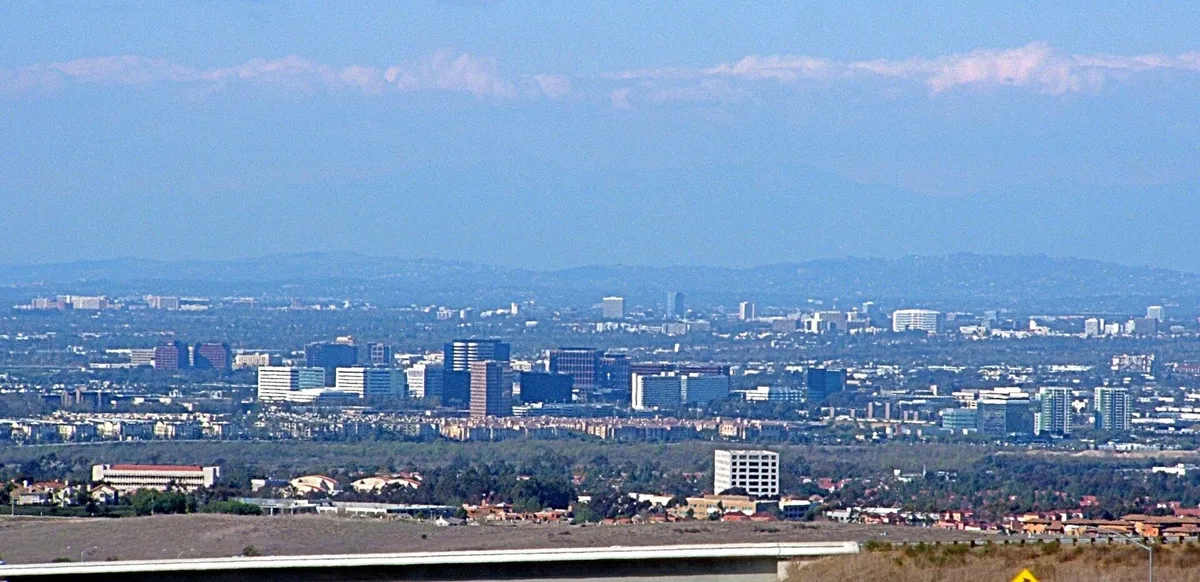
Irvine’s crime index of 36 — less than half the national average — pairs with A+ Niche grades for both the city and its schools, a safety-and-education combination almost no large American city can match. The price is equally unmatched: a $1,200,000 median home, a cost of living index of 185, and California’s steepest-in-the-nation income tax. This master-planned city of 310,000, built from 1960s ranchland around the University of California, Irvine and Orange County’s tech and biomedical corridor, carries a median household income of $119,000 and 280 days of annual sunshine. For families with school-age children, biotech and tech professionals, and UCI academics, this guide runs the math — which works beautifully at high incomes and gets challenging fast below them.
Quick Answer — Is Irvine Worth Moving To?
Irvine is a genuinely exceptional place to live, known for its top-tier public schools, extraordinarily low crime rate, UC Irvine’s research ecosystem, and a quality of life that reflects decades of thoughtful urban planning. The cost of living is high — housing costs run well above the national average, and California’s income tax is among the steepest in the country — but the trade-off is a city that delivers on nearly every quality-of-life metric. It’s an especially strong fit for families with school-age children, biotech and tech professionals, and academics connected to UCI, though those on modest incomes will find the math challenging.
At a Glance: Irvine by the Numbers (2025)
| Metric | Irvine |
|---|---|
| Population | ~310,000 |
| Median home price | $1,200,000 |
| Cost of living index | 185 (U.S. avg = 100) |
| Median household income | $119,000 |
| Unemployment rate | 3.5% |
| Average commute | 27 minutes |
| Walk Score | 39/100 |
| Niche overall grade | A+ |
| Crime index | 36 (U.S. avg = 100; lower = safer) |
| School district grade | A+ |
| Average summer high | 83°F |
| Average winter low | 47°F |
| Annual sunshine days | 280 |
Irvine’s crime index of 36 — less than half the national average — is one of the most compelling data points in any U.S. city comparison, and its A+ grades from Niche for both the city overall and its school district reflect a community that has invested heavily in public infrastructure and education. The median household income of $119,000 reflects a highly educated, professional population anchored by UCI and a dense cluster of Fortune 500 and biotech employers.
Cost of Living in Irvine
As of 2025, Irvine’s cost of living index sits around 185 — roughly 85% above the national average, according to BestPlaces/Sperling’s. Housing is the dominant driver: the median home price has crossed $1.2 million, and even modest condos in desirable villages routinely list above $700,000. Groceries run about 10–15% above the national average, and utilities — particularly electricity through Southern California Edison — are notably higher than the national norm. Transportation costs are significant for most residents, as Irvine is car-dependent despite its excellent internal trail network. Healthcare costs are above average, though UCI Medical Center provides competitive, research-affiliated care. California’s income tax is the highest in the nation, with a top marginal rate of 13.3% and middle-bracket rates around 8–9.3% — a meaningful factor in any relocation budget. The high cost is offset, for many, by the salary premiums paid by Irvine’s tech and biomedical employers and the absence of any state tax on certain retirement income.
Housing Market Snapshot
The Irvine housing market remains competitive as of 2025, driven by persistent demand from UCI faculty and staff, Orange County tech workers, and international buyers who prize the city’s safety and schools. The median home price is approximately $1.2 million, with single-family homes in top school villages like Northwood and Woodbridge frequently exceeding $1.5 million. Renters face a similarly elevated market: one-bedroom apartments average $2,500–$2,900 per month, and two-bedrooms typically run $3,200–$3,800. Inventory remains tight, and well-priced listings in desirable villages often attract multiple offers. Data sourced from Zillow and Realtor.com.
## Jobs and EconomyIrvine functions as Orange County’s primary tech and biomedical employment hub, and UC Irvine anchors an ecosystem that extends well beyond the campus. As of 2025, the unemployment rate sits at approximately 3.5%, according to the Bureau of Labor Statistics — below the national average and consistent with the highly educated, professionally oriented workforce. The median household income of $119,000 is among the highest of any large U.S. city. Top employers include Edwards Lifesciences (pioneering heart valve technology), Broadcom (global semiconductor leader), Blizzard Entertainment (gaming), Allergan/AbbVie (pharmaceuticals), and Masimo (medical devices). UC Irvine itself is one of the largest employers in the region, spanning healthcare, research, and education. Dominant industries are biotech and medtech, enterprise tech, gaming and entertainment, financial services, and education. Irvine is particularly strong for life sciences careers, and the corridor between Irvine and San Diego has become one of the nation’s premier biomedical clusters.
Neighborhoods in Irvine: Where to Live
Irvine is divided into more than 30 planned “villages,” each with its own parks, trails, schools, and community centers — a structure that gives the city an unusually consistent quality of life across neighborhoods while also making it feel more suburban than urban. Most villages are served by the Irvine Unified School District, which is among the highest-rated in California. For those priced out of Irvine proper, neighboring Lake Forest, Tustin, and Mission Viejo offer more accessible entry points to the same Orange County lifestyle.
Northwood is one of Irvine’s most established and sought-after villages — a quiet, family-oriented community of tree-lined streets, well-maintained parks, and single-family homes that typically run from $1.2 to $1.8 million. The area feeds into some of IUSD’s most competitive schools, including Northwood High School. It’s the top choice for families who prioritize school quality and a suburban, low-density environment.
University Hills sits adjacent to the UC Irvine campus and was originally developed for university faculty and staff. Townhomes and smaller single-family homes make it one of the more accessible entry points in Irvine, and its proximity to UCI makes it ideal for academics, researchers, and graduate students. The UCI campus itself — with its arboretum, arts venues, and athletic facilities — is effectively an extension of the neighborhood’s amenities.
Woodbridge is Irvine’s most iconic village, built around two man-made lakes with beaches, sailing, and miles of greenbelt trails connecting to the broader citywide trail system. Housing ranges from condos to large single-family homes, and the community events calendar — summer concerts, Fourth of July celebrations, fitness classes — reflects a particularly active residential culture. Best for families and active adults who want maximum use of outdoor amenities.
Irvine Spectrum / Great Park Neighborhoods represents Irvine’s newest and most modern development, centered around the Great Park (a 1,300-acre former Marine air base transformed into public parkland) and the Irvine Spectrum Center shopping and entertainment hub. New-construction townhomes and single-family homes draw younger families and professionals seeking modern floor plans. The Great Park’s sports fields, hot air balloon, and ice rink make it the city’s most active public space.
## Schools, Safety, and Quality of LifeSchools: The Irvine Unified School District (IUSD) earns an A+ from Niche and consistently ranks among the top public school districts in California and the nation. Graduation rates exceed 97%, and the district places a high percentage of students into UC and CSU schools annually. Standout schools include Northwood High School, University High School, and Irvine High School, all of which regularly appear on national lists of top public high schools. UC Irvine, the city’s flagship university, is a member of the Association of American Universities and ranks among the top 10 public universities in the country according to U.S. News & World Report — with particular recognition in computer science, biological sciences, and social ecology.
Safety: Irvine’s safety record is one of its most distinctive features. The city’s crime index of approximately 36 — compared to the national average of 100 — places it among the safest large cities in the United States, a distinction it has held consistently for more than a decade, according to FBI Uniform Crime Reports. Both violent and property crime rates are dramatically below national averages. Families relocating from higher-crime metros frequently cite safety as the primary reason they chose Irvine, and it remains a foundational part of the city’s identity and appeal.
Quality of Life: UCI Medical Center provides world-class, research-affiliated healthcare within the city, and Hoag Hospital (Newport Beach) is minutes away. The city maintains over 50 miles of off-street biking and walking trails connecting its villages, and more than 16,000 acres of permanently protected open space surrounds the urban core. Irvine’s population is among the most highly educated in the country — over 70% of adults hold a bachelor’s degree or higher — and the community reflects an international diversity heavily influenced by UCI’s global student and faculty body.
Climate and Weather in Irvine
Irvine enjoys one of the most pleasant climates in the continental United States — a classic Southern California Mediterranean pattern with warm, dry summers, mild winters, and approximately 280 sunshine days per year, according to WeatherSpark and NOAA data. Summer highs average around 83°F, with low humidity making the heat comfortable by most standards. Winter lows typically stay above 47°F, and snow is essentially unknown. The one recurring seasonal phenomenon worth knowing is “June Gloom” — a marine layer that rolls in from the Pacific most mornings in May and June, burning off by midday. Fall brings the region’s fire season and occasional wildfire smoke from inland and foothill fires, which can affect air quality for days at a time. For housing decisions, single-story homes and good air filtration systems are worth considering given the smoke risk.
Things to Do in Irvine: Top Attractions and Day Trips
Irvine’s leisure personality is built around Southern California’s great outdoors, proximity to world-class beaches and theme parks, and the cultural programming that flows from UC Irvine’s arts and athletics. The city itself is deliberately planned for an active lifestyle — with trails, parks, and sports facilities woven into every village — and the surrounding Orange County region offers an extraordinary range of day-trip options within an hour’s drive.
-
Irvine Regional Park — One of Orange County’s oldest and most beloved parks, Irvine Regional Park spans 477 acres in the Santiago Canyon foothills with equestrian trails, a small zoo, lake fishing, and family picnic areas. It’s an ideal weekend destination for families with young children and a welcome contrast to the planned-community feel of the urban core. Entry fees are modest and parking is convenient.
-
UC Irvine Campus & Aldrich Park — The UCI campus is a destination in its own right, with the 11-acre Aldrich Park at its center — a circular green ring connecting the schools and providing a rare patch of genuine open lawn in urban Orange County. The university’s Bren Events Center hosts concerts and events, and the Claire Trevor School of the Arts presents theater, music, and dance performances open to the public throughout the academic year.
-
Irvine Spectrum Center — Orange County’s premier outdoor shopping and entertainment complex, Irvine Spectrum anchors the city’s southern end with more than 130 restaurants, shops, and entertainment venues, including a giant Ferris wheel and seasonal events. It’s family-friendly, walkable within its footprint, and the best single destination for dining variety within the city. Most restaurants are in the mid-to-upscale range.
-
Great Park — The Orange County Great Park, built on the site of the former El Toro Marine Corps Air Station, is a 1,300-acre public space that already offers a free tethered hot air balloon ride (on clear days), a farm and food lab, a carousel, botanical garden, sports fields, and an ice arena. When completed, it will be one of the largest urban parks in the country. Currently free to enter, it’s the city’s most ambitious public amenity.
-
Quail Hill Wilderness Park & Trails — For hikers and trail runners, Quail Hill offers 715 acres of preserved open space with views of the Saddleback Mountains and accessible trailheads from multiple Irvine villages. The trails range from easy to moderate and connect to the broader Irvine Open Space Preserve network. Best visited in the early morning during summer months to beat the heat.
Orange County’s greatest gift to Irvine residents is extraordinary proximity to world-class destinations. Laguna Beach is just 20 minutes south — a stunning coastal art community with coved beaches, galleries, and the famous Pageant of the Masters summer festival. Disneyland in Anaheim sits 20 minutes north, making it a realistic after-school or weekend option for local families in a way it simply isn’t for most Americans. San Diego is 1.5 hours south via I-5 — a full weekend destination with Balboa Park, the Zoo, and Coronado Island all within easy reach.
## Moving to Irvine: Your 90-Day Checklist90–60 days before:
- Research Irvine’s villages and set housing budget using Zillow or Realtor.com — budget carefully, costs are high
- Get at least three moving company quotes (PODS, Allied, HireAHelper, or local movers)
- Research IUSD enrollment deadlines — the district is highly competitive and in demand
- Review California’s income tax implications (up to 13.3%)
- Begin decluttering — Irvine apartments and homes reward minimalism given the cost per square foot
60–30 days before: 6. Confirm moving company and lock in dates 7. Transfer medical and dental records; UCI Medical Center and Hoag are excellent options 8. Notify employer, bank, and subscriptions of address change 9. Research utility providers (Southern California Edison, SoCalGas) and set up accounts 10. Arrange short-term lodging if permanent housing won’t be ready immediately
First 30 days after arrival: 11. Transfer driver’s license and vehicle registration to California 12. Register to vote at new address 13. Explore the trail network, UCI campus, and Great Park using the attractions section above 14. Join local Facebook groups or Nextdoor for your village 15. File change of address with USPS if not already done
## Frequently Asked Questions About Living in IrvineQ: Is Irvine a good place to live? A: Irvine earns an A+ from Niche and routinely tops national rankings for safety, school quality, and family-friendliness — and those rankings hold up to scrutiny as of 2025. The top-tier public schools, extraordinarily low crime rate, Mediterranean climate, and access to both beaches and mountains make it an objectively excellent place to live. The honest trade-off is cost: housing prices are among the highest in the nation, and California’s tax burden is significant, making Irvine most accessible to dual-income professional households.
Q: What is the cost of living in Irvine? A: Irvine’s cost of living index runs approximately 85% above the national average, driven primarily by housing. The median home price is around $1.2 million as of 2025, and one-bedroom apartments typically rent for $2,500–$2,900 per month. California’s state income tax — the highest in the country, with rates up to 13.3% — adds further to the overall cost burden. High salaries in the tech and biomedical sectors partially offset these costs for many residents.
Q: Is Irvine safe? A: Irvine is one of the safest large cities in the United States by virtually every measure. Its crime index of approximately 36 — compared to the national average of 100 — reflects both violent and property crime rates that are dramatically below national norms, according to FBI Uniform Crime Reports. The city has held this distinction consistently for more than a decade and it represents one of the clearest differentiators when comparing Irvine to other Southern California communities.
Q: What are the best neighborhoods in Irvine? A: Northwood and Woodbridge are the most established and sought-after villages for families, with excellent schools and mature landscaping. University Hills offers the best access to UCI and appeals to academics and researchers. The Great Park Neighborhoods attract younger families and professionals seeking modern construction. Most villages are excellent — the differences come down to proximity to specific schools, amenities, and commute patterns.
Q: What is the job market like in Irvine? A: Irvine’s job market is strong and diversified across high-paying sectors. UC Irvine, Edwards Lifesciences, Broadcom, Blizzard Entertainment, and Allergan/AbbVie are among the largest employers. The city serves as the anchor of Orange County’s biotech and medtech corridor, and the broader tech sector has expanded significantly over the past decade. The unemployment rate of approximately 3.5% is below the national average, and median household incomes reflect the premium compensation typical of these industries.
Q: How far is Irvine from Los Angeles? A: Irvine is approximately 40 miles south of downtown Los Angeles — roughly 45 minutes in light traffic, but 75–90 minutes or more during peak commute hours on the I-405 or I-5. Metrolink’s Orange County Line provides rail service between Irvine and LA Union Station, and Amtrak’s Pacific Surfliner also stops at Irvine Station. For those commuting to LA regularly, the commute time is the primary quality-of-life challenge, and many Irvine-based professionals have shifted to hybrid or remote arrangements as a result.
Irvine vs. Nearby Cities
Compared to Anaheim (20 minutes north), Irvine offers significantly better schools and safety at a higher price point — Anaheim’s more diverse housing stock makes it more accessible for first-time buyers but with fewer of Irvine’s neighborhood amenities. Santa Ana, Orange County’s most populous city, sits adjacent to Irvine and offers dramatically more affordable housing, but with a very different urban character and lower school ratings. Los Angeles provides incomparably greater cultural scale and employment diversity, but with higher crime, worse traffic, and more variable school quality than Irvine’s consistent A+ district. For full profiles of these cities, see our guides to Anaheim, Santa Ana, and Los Angeles.
Sources and Data Notes
Data for this guide was drawn from the U.S. Census Bureau American Community Survey (2024), Bureau of Labor Statistics (2025), Niche.com, BestPlaces.net/Sperling’s Cost of Living Index, FBI Uniform Crime Reports, WeatherSpark, Walk Score, and Zillow/Realtor.com. Statistics reflect 2024–2025 data where available.